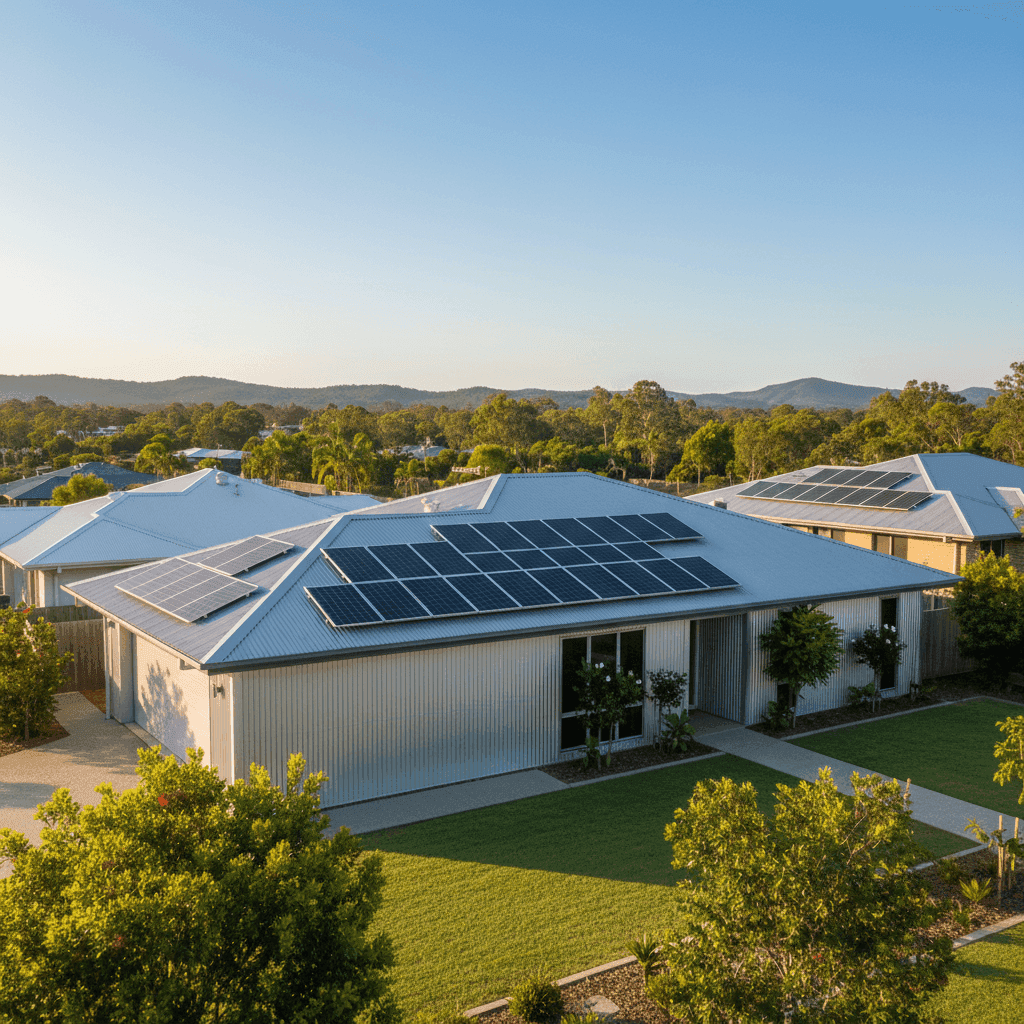
If you own a free standing home in Dangore, QLD 4610, you might be wondering whether you're getting a fair deal on your home and contents insurance. With premiums varying wildly across Queensland — and even more so when you stack them up against the national picture — understanding where your quote sits in the broader market is one of the smartest things you can do as a homeowner. This article breaks down a real quote for a four-bedroom, two-bathroom property in Dangore, examines what's driving the price, and offers practical tips to help you make the most of your cover.
---
Is This Quote Fair?
The short answer: yes — and then some.
The quote in question comes in at $2,460 per year (or $241 per month) for combined home and contents cover, with a building sum insured of $551,000 and contents valued at $50,000. Our analysis rates this as CHEAP — below average when compared against both state and national benchmarks.
To put that in perspective, the average home and contents premium across Queensland sits at $4,547 per year, with a state median of $3,931. That means this Dangore quote is roughly 46% below the Queensland average — a substantial saving for any household budget. Even against the national average of $2,965 and the national median of $2,716, this quote holds up as genuinely competitive.
For a property of this size and specification, paying under $2,500 per year represents real value. Of course, the excess structure is worth noting: the building excess is $3,000, which is on the higher side, while the contents excess of $600 is fairly standard. A higher excess is one of the most common levers insurers use to bring premiums down, so it's worth making sure you're comfortable covering that out-of-pocket amount in the event of a claim before locking in the policy.
---
How Dangore Compares
Dangore sits within the South Burnett Local Government Area, and the LGA-level data gives us a useful mid-point for comparison. The South Burnett LGA average premium is $2,940 per year — meaning this quote also comes in below the local area average, not just the broader state figure.
Here's a quick snapshot of where this quote sits:
| Benchmark | Annual Premium |
|---|---|
| This quote | $2,460 |
| South Burnett LGA average | $2,940 |
| QLD state average | $4,547 |
| QLD state median | $3,931 |
| National average | $2,965 |
| National median | $2,716 |
The gap between Dangore and the Queensland state average is striking, and it largely reflects the risk profile of inland South East Queensland compared to coastal or cyclone-prone regions of the state. Areas along the Queensland coast — particularly in the north — face significantly elevated risks from tropical cyclones, storm surge, and flooding, all of which push premiums higher. Dangore, notably, is not classified as a cyclone risk area, which is a meaningful factor in keeping costs down.
You can explore more localised data for this area on the Dangore suburb stats page, or broaden your view with Queensland-wide insurance statistics and national home insurance benchmarks.
---
Property Features That Affect Your Premium
Every property is unique, and insurers assess a range of physical characteristics when calculating your premium. Here's how the features of this particular Dangore home come into play:
Aluminium cladding and Colorbond roof Aluminium external walls and a steel/Colorbond roof are generally viewed favourably by insurers. Both materials are durable, low-maintenance, and resistant to rot and pest damage. Colorbond roofing in particular is a popular choice across regional Queensland for good reason — it handles heat, wind, and rain well, and its longevity reduces the likelihood of weather-related claims.
Slab foundation A concrete slab foundation is considered one of the more stable and insurer-friendly foundation types. It's less susceptible to movement and moisture-related issues compared to raised timber stumps, which can be a concern in older Queensland homes.
Timber and laminate flooring While aesthetically appealing, timber and laminate floors can be more vulnerable to water damage than tiles, which is something to keep in mind if you're in an area that experiences heavy rainfall or flooding. Ensuring your policy includes adequate flood and water damage cover is worth double-checking.
Solar panels This property has solar panels, which adds value to the building sum insured. It's important to confirm that your policy explicitly covers solar panel systems — including inverters — as part of the building, since not all standard policies automatically include them or cover them at full replacement value.
Ducted climate control Ducted air conditioning systems are a significant fixed asset and are typically covered under the building component of a home insurance policy. Given the cost of replacing a full ducted system, it's worth ensuring your sum insured accounts for this.
Building size and sum insured At 214 square metres, this is a comfortably sized family home. The building sum insured of $551,000 reflects the cost to rebuild the home from scratch — not its market value. Getting this figure right is critical; underinsurance is one of the most common (and costly) mistakes homeowners make.
---
Tips for Homeowners in Dangore
1. Review your sum insured regularly Construction costs have risen sharply in recent years across regional Queensland. If your building sum insured hasn't been updated in a while, there's a real risk you're underinsured. Use a building cost calculator or speak to a local builder to get a realistic estimate of what it would cost to rebuild your home today.
2. Confirm solar panel coverage With solar panels on the roof, make sure your policy explicitly covers the system — panels, inverters, and mounting hardware — under the building section. Ask your insurer directly what's included and what the replacement limit is.
3. Consider your excess trade-off The $3,000 building excess on this policy is relatively high. While it helps keep the annual premium low, it means you'd need to cover that amount yourself before the insurer steps in. If a $3,000 out-of-pocket expense would be a financial stretch, it may be worth comparing quotes with a lower excess to find the right balance for your situation.
4. Don't set and forget Even if you're on a competitive premium today, insurers regularly adjust their pricing at renewal. It's good practice to compare quotes annually — even if you're happy with your current insurer — to make sure you're still getting fair value. Market conditions, your property's risk profile, and insurer pricing models all change over time.
---
Find the Right Cover for Your Home
Whether you're a first-time buyer or a long-time Dangore resident, comparing home insurance quotes is one of the easiest ways to make sure you're not overpaying. CoverClub makes it simple to see how your premium stacks up — and to find cover that suits your property and your budget.
Get a home insurance quote today at CoverClub and see how your home compares in seconds.