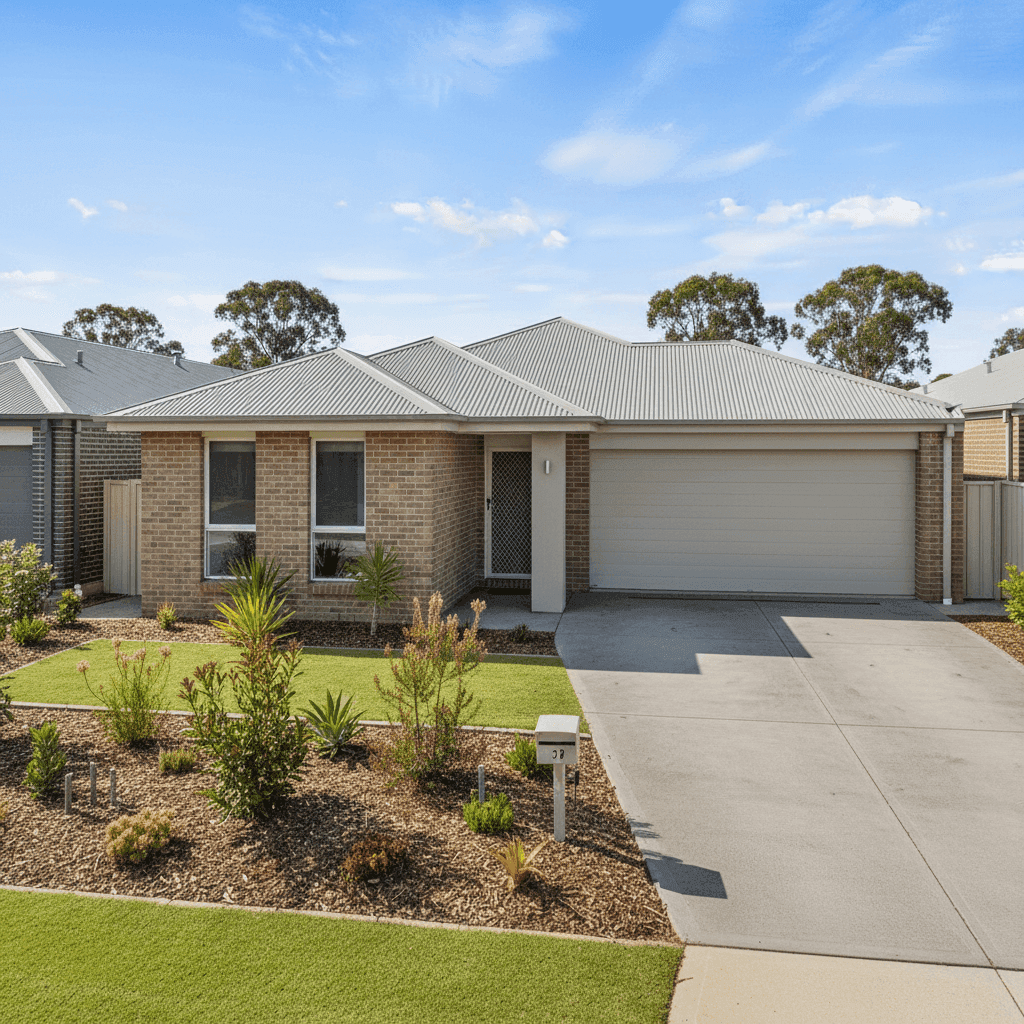
If you own a free standing home in Darling Heights, QLD 4350, you've probably noticed that insurance premiums can vary significantly depending on who you ask. This article breaks down a real home and contents insurance quote for a three-bedroom brick veneer home in the suburb, compares it against local, state, and national benchmarks, and offers practical tips to help you get better value on your cover.
---
Is This Quote Fair?
The quote in question comes in at $2,548 per year (or $244/month) for combined home and contents cover, with a building sum insured of $518,000 and contents valued at $75,000. Both the building and contents excess are set at $1,000.
Our price rating for this quote is EXPENSIVE — above average for the Darling Heights area.
To put that in perspective, the suburb average premium sits at $1,828/year, and the median is even lower at $1,762/year. This quote lands above the 75th percentile for the suburb (which is $2,303/year), meaning it's pricier than at least three-quarters of comparable quotes we've seen in the area. That's a meaningful gap — roughly $720 more per year than the suburb average.
That said, context matters. The building sum insured of $518,000 is on the higher end for a 214 sqm home, and the combined nature of the policy (building plus contents) naturally pushes the total premium up compared to building-only quotes. Still, the gap is wide enough that it's worth shopping around.
---
How Darling Heights Compares
One of the more encouraging aspects of insuring a home in Darling Heights is just how affordable the suburb is relative to broader Queensland and national benchmarks. Check out the full suburb stats for Darling Heights (QLD 4350) for a deeper look.
| Benchmark | Average Premium | Median Premium |
|---|---|---|
| Darling Heights (4350) | $1,828/yr | $1,762/yr |
| Toowoomba LGA | $2,479/yr | — |
| Queensland | $9,129/yr | $3,903/yr |
| National | $5,347/yr | $2,764/yr |
The numbers tell a clear story. Queensland as a whole carries some of the highest home insurance premiums in the country — driven largely by cyclone-prone coastal and far-north regions. The QLD state average of $9,129/year is eye-watering, and even the state median of $3,903 is more than double what Darling Heights homeowners typically pay.
Nationally, the average premium sits at $5,347/year, with a median of $2,764. Again, Darling Heights comes in well below both figures, which reflects the suburb's relatively low-risk profile — no cyclone exposure, no coastal flooding concerns, and a stable residential character.
Even within the Toowoomba LGA, where the average is $2,479/year, Darling Heights sits below the mark. This is genuinely good news for locals: you're in one of the more affordable pockets of Queensland for home insurance.
---
Property Features That Affect Your Premium
Several characteristics of this particular property influence what insurers charge. Here's how the key features stack up:
Brick Veneer Walls Brick veneer is generally well-regarded by insurers. It offers solid fire resistance and structural durability, which can work in your favour at premium time. It's not as robust as full double-brick construction, but it's a significant step up from timber or weatherboard in terms of risk profile.
Steel/Colorbond Roof Colorbond roofing is a popular choice across regional Queensland, and insurers tend to view it favourably. It's lightweight, resistant to corrosion, and performs well in storms and hail events — all relevant considerations in the Darling Range and Toowoomba region, where severe thunderstorms can occur.
Slab Foundation A concrete slab foundation is considered low-risk by most insurers. There's no underfloor cavity to worry about, and slabs are generally resistant to termite ingress and subsidence — both of which can drive up premiums in other parts of the country.
Construction Year: 1991 At over 30 years old, this home is entering the age bracket where insurers start to factor in the cost of bringing older materials and systems up to current building codes in the event of a claim. This can subtly increase premiums compared to newer builds.
No Pool, Solar, or Ducted Climate Control The absence of a pool, solar panels, and ducted air conditioning keeps the risk profile straightforward. Each of these features adds complexity (and potential liability) to a policy, so not having them is a modest premium advantage.
214 sqm Building Size At 214 square metres, this is a comfortably sized family home. The building sum insured of $518,000 reflects both the size and current construction costs in the region — rebuilding costs have risen sharply in recent years, so it's important the sum insured keeps pace.
---
Tips for Homeowners in Darling Heights
1. Review Your Sum Insured Annually Construction costs in Queensland have climbed considerably since the pandemic. Make sure your $518,000 building sum insured still reflects what it would actually cost to rebuild your home from scratch — not just its market value. Underinsurance is one of the most common and costly mistakes homeowners make.
2. Compare at Least Three Quotes Given this quote sits above the suburb's 75th percentile, there's a real opportunity to save by shopping around. Use a comparison tool like CoverClub to see multiple quotes side by side without the legwork of contacting each insurer individually.
3. Consider Your Excess Settings Both the building and contents excess on this policy are set at $1,000. Opting for a higher voluntary excess — say $2,000 — can reduce your annual premium meaningfully. Just make sure you're comfortable covering that amount out of pocket if you ever need to make a claim.
4. Don't Over-Insure Your Contents A $75,000 contents value is reasonable for a standard three-bedroom home, but it's worth doing a room-by-room audit periodically. Over-estimating contents can inflate your premium unnecessarily, while under-estimating leaves you exposed. Most insurers provide online calculators to help you land on an accurate figure.
---
Ready to Find a Better Deal?
Whether this is your current quote or you're just starting to explore your options, there's no reason to pay more than you need to. CoverClub makes it easy to compare home and contents insurance quotes for properties across Darling Heights and the broader Toowoomba region. Get a quote today and see how much you could save — it only takes a few minutes.