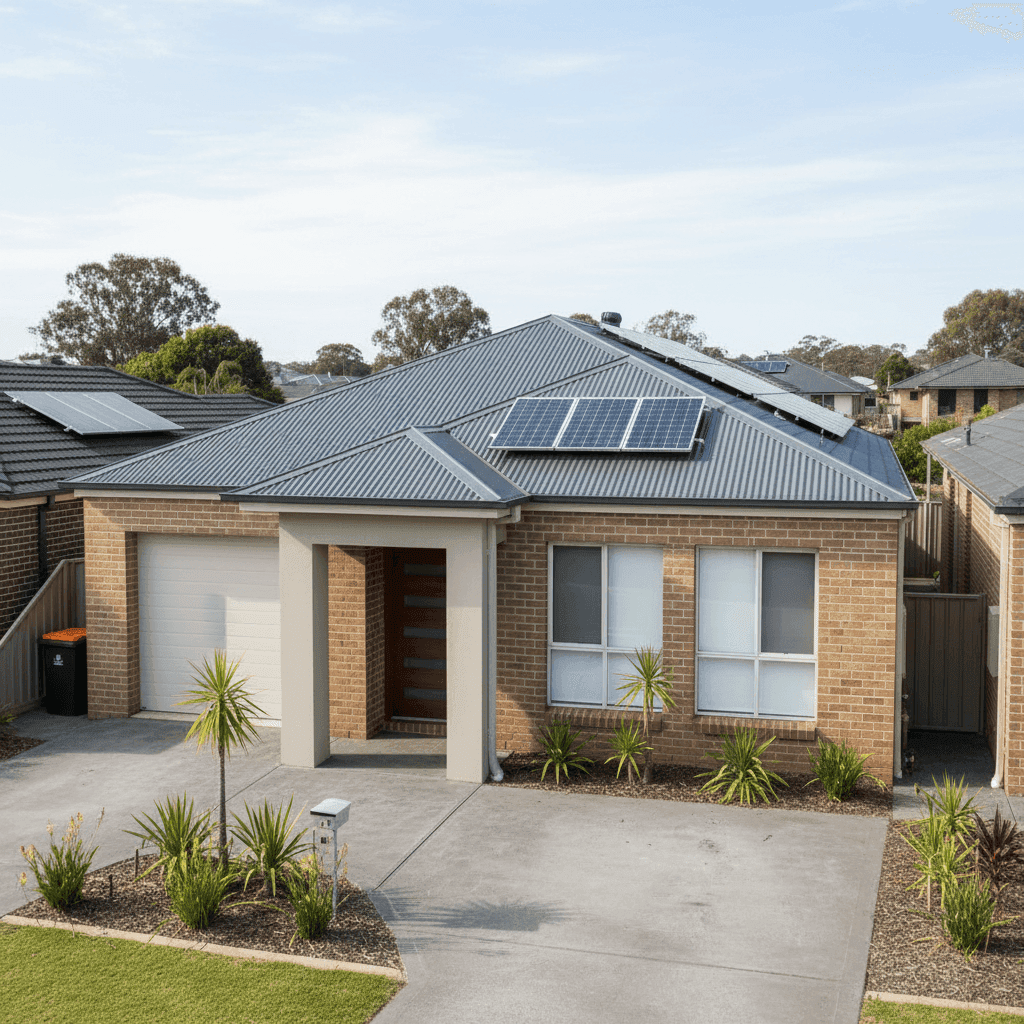
A three-bedroom semi detached home in Darling Heights, QLD 4350 recently received a building-only insurance quote of $783 per year — or roughly $75 per month. For homeowners in this quiet residential suburb on the southern fringe of Toowoomba, that figure might raise an eyebrow in the best possible way. Compared to what most neighbours are paying, this quote stands out as genuinely competitive. Let's unpack why.
---
Is This Quote Fair?
In short: yes — and then some. This quote has been rated CHEAP (Below Average), meaning it sits well beneath what most comparable properties in the area are attracting.
The suburb average for home building insurance in Darling Heights currently sits at $1,866 per year, with a median of $1,784. Even at the lower end of the market — the 25th percentile — homeowners are typically paying around $1,412 annually. This quote at $783 comes in below that lower quartile, placing it among the most affordable outcomes seen across 25 quotes sampled in the suburb.
To put it plainly: this homeowner is paying less than half the suburb average. That's a meaningful saving of over $1,000 per year compared to what many of their neighbours are forking out.
Of course, it's worth noting that this is a building-only policy — contents are not covered — and the building excess is set at $4,000, which is on the higher side. A higher excess is one of the most common levers insurers use to reduce premiums, so that trade-off is worth keeping in mind when assessing the overall value of the policy.
---
How Darling Heights Compares
Zooming out from the suburb level paints an even more striking picture. Home insurance premiums across Queensland are among the highest in the country, driven largely by cyclone exposure in northern parts of the state and flooding risks in low-lying areas. The QLD state average sits at $4,547 per year, with a median of $3,931 — figures that reflect the outsized risk profile of many Queensland postcodes.
Darling Heights, by contrast, benefits from its inland position on the Darling Downs. Sitting at elevation on the Toowoomba range, the suburb is not classified as a cyclone risk area and generally faces a more moderate risk environment than coastal Queensland communities. This geography is a key reason why Darling Heights insurance premiums trend significantly lower than the state norm.
Even against national benchmarks — where the average sits at $2,965/yr and the median at $2,716/yr — the Darling Heights suburb average of $1,866 looks favourable. And this particular quote at $783 is less than 27% of the national average. For context, the broader Toowoomba LGA average is $2,535 per year, making Darling Heights one of the more affordable pockets within the region.
| Benchmark | Annual Premium |
|---|---|
| This Quote | $783 |
| Darling Heights Suburb Average | $1,866 |
| Darling Heights Suburb Median | $1,784 |
| Toowoomba LGA Average | $2,535 |
| QLD State Average | $4,547 |
| National Average | $2,965 |
---
Property Features That Affect Your Premium
Several characteristics of this property work in the homeowner's favour from an underwriting perspective.
Brick Veneer Construction Brick veneer external walls are generally viewed positively by insurers. They offer solid fire resistance and durability compared to timber or lightweight cladding, which can translate to lower premiums or broader coverage terms.
Steel / Colorbond Roof A Colorbond steel roof is a strong asset in the eyes of insurers. It's highly resistant to fire, doesn't rot or corrode easily, and performs well in hail events — all of which reduce the likelihood of a claim. Colorbond is also a popular roofing choice across regional Queensland, and insurers are well-acquainted with its risk profile.
Concrete Slab Foundation A slab-on-ground foundation is considered low-risk for structural movement compared to older pier-and-beam or timber stump systems. Combined with tiled flooring throughout, the property has a construction profile that's straightforward to assess and price.
Relatively New Build (2016) At under 10 years old, this home benefits from modern building standards, including compliant electrical wiring, plumbing, and structural design. Newer homes tend to attract lower premiums because the risk of age-related deterioration is minimal.
Solar Panels The presence of solar panels is worth flagging. While they don't dramatically increase premiums in most cases, homeowners should confirm with their insurer that the panels — including inverters and mounting hardware — are explicitly covered under the building policy. Some policies include them automatically; others may require a specific endorsement.
No Pool, No Cyclone Zone The absence of a swimming pool removes a common liability concern, and the property's location outside of a designated cyclone risk area means it avoids the significant premium loadings that affect many northern Queensland postcodes.
---
Tips for Homeowners in Darling Heights
1. Review your sum insured regularly This policy covers the building for $550,000. It's important to ensure this figure reflects the true cost to rebuild — not the market value of the property. Building costs have risen sharply in recent years, so an annual review with a quantity surveyor or using an online rebuild calculator is worthwhile.
2. Understand your excess before you claim With a $4,000 building excess, smaller claims may not be worth lodging. Weigh up whether paying out of pocket for minor damage is more cost-effective than making a claim that could affect your renewal premium. It's a common trade-off with low-premium policies.
3. Confirm solar panel coverage Given the solar installation on this property, contact your insurer directly to confirm how the panels are covered — including storm damage, theft, and electrical fault. Get the answer in writing if possible.
4. Compare at renewal time Even a great quote today can drift upward at renewal. The insurance market shifts, and what's cheap now may not remain so. Using a comparison tool like CoverClub at each renewal ensures you're not quietly slipping into the expensive tier without realising it.
---
Ready to See What You Could Pay?
Whether you're a homeowner in Darling Heights or anywhere else in Australia, it pays to know where your premium sits relative to the market. CoverClub makes it easy to compare building and contents insurance quotes in minutes — no jargon, no pressure.
Get a home insurance quote at CoverClub and find out if you're getting a fair deal, or leaving money on the table.