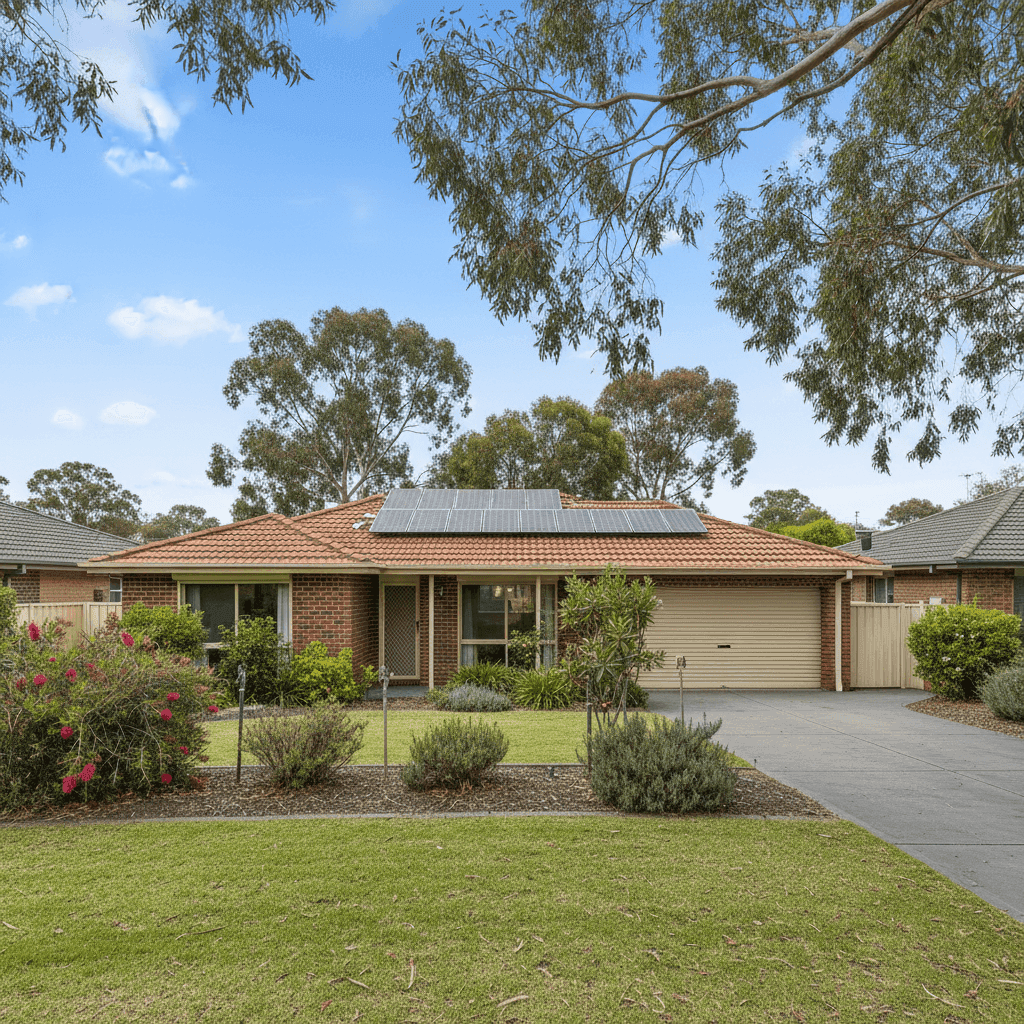
Deakin is one of Canberra's most established inner-south suburbs — a leafy, well-connected pocket of the ACT known for its quality housing stock and proximity to both the CBD and major amenities. For owners of free standing homes here, understanding what a fair home insurance premium looks like can be the difference between overpaying and getting genuinely good value. This article breaks down a real home and contents insurance quote for a 3-bedroom, 2-bathroom brick veneer home in Deakin, and puts it in context against suburb, state, and national benchmarks.
---
Is This Quote Fair?
The short answer: yes — and then some.
An annual premium of $1,900 (or $182/month) for a home and contents policy covering $904,000 in building sum insured and $90,000 in contents lands firmly in the "Cheap" category — meaning it sits well below the average for comparable properties in the area.
To put that in perspective, the suburb average for Deakin sits at $3,122 per year, with a median of $3,135. This quote comes in more than $1,200 below the suburb average — a saving of roughly 39%. Even against the 25th percentile of quotes in the suburb (i.e., the cheapest quarter of the market), which sits at $2,622, this premium is still notably lower.
For a property of this size and quality, that's a strong result. Both the building and contents excesses are set at $1,000 each — a reasonable mid-point that keeps premiums manageable without leaving the homeowner too exposed in the event of a claim.
---
How Deakin Compares
Zooming out from the suburb level paints an interesting picture.
| Benchmark | Premium |
|---|---|
| This quote | $1,900/yr |
| Deakin suburb average | $3,122/yr |
| Deakin suburb median | $3,135/yr |
| ACT average | $2,288/yr |
| ACT median | $2,186/yr |
| Unincorporated ACT LGA average | $2,172/yr |
| National average | $5,347/yr |
| National median | $2,764/yr |
The ACT as a whole is actually one of the more affordable states and territories for home insurance, with an average premium of $2,288 — well below the national average of $5,347, which is heavily skewed upward by high-risk regions in Queensland, Western Australia, and the Northern Territory (cyclone zones, flood plains, and bushfire corridors all drive premiums significantly higher in those areas).
Within the ACT, Deakin's suburb average of $3,122 sits noticeably above the territory-wide figure — likely reflecting the higher property values and sum insured amounts typical of homes in this suburb. Despite that, this particular quote beats every single benchmark in the table above, making it an exceptional outcome by any measure.
---
Property Features That Affect Your Premium
Several characteristics of this property work in the homeowner's favour from an insurance pricing perspective.
Brick Veneer Construction Brick veneer is widely regarded by insurers as a low-to-moderate risk building material. It offers good fire resistance and structural durability compared to timber-framed or clad homes, and this typically translates to more competitive premiums.
Tiled Roof Terracotta or concrete tile roofs are similarly well-regarded. They're durable, fire-resistant, and less susceptible to storm damage than older corrugated iron roofing — all factors that can reduce an insurer's assessed risk.
Slab Foundation A concrete slab foundation is considered stable and low-maintenance. Unlike raised timber floors or older stumped foundations, slabs carry less risk of subsidence, pest damage, or moisture-related deterioration — another tick in the low-risk column.
1995 Construction Year Homes built in the mid-1990s benefit from modern building codes without the age-related wear concerns that can affect properties built in the 1960s or 70s. At roughly 30 years old, this home is well within a sweet spot for insurers.
Solar Panels The presence of solar panels adds a modest layer of complexity to a home insurance policy, as panels need to be covered for storm, hail, and fire damage. However, at 214 sqm, the building sum insured of $904,000 is likely already factoring in the replacement cost of the system, so this shouldn't significantly inflate the premium.
Ducted Climate Control Ducted heating and cooling systems are a fixed inclusion in the building sum insured. While they add to the overall replacement cost of the home, they don't typically flag as a risk factor for insurers.
Above Average Fittings Above average fittings — think stone benchtops, quality cabinetry, premium fixtures — do push the building sum insured higher (as they should, since they cost more to replace). It's important that the sum insured reflects the true rebuild cost, including these finishes, to avoid being underinsured.
No Pool, No Cyclone Risk The absence of a swimming pool removes a common liability exposure, and Deakin's location in the ACT means cyclone risk is not a rating factor — unlike many parts of northern and coastal Australia.
---
Tips for Homeowners in Deakin
1. Review your sum insured annually Construction costs have risen sharply in recent years. A building sum insured of $904,000 for a 214 sqm home in Deakin is reasonable, but it's worth revisiting each year at renewal to ensure it reflects current rebuild costs — not what it would have cost three years ago. Underinsurance is one of the most common and costly mistakes homeowners make.
2. Don't assume loyalty pays If you've been with the same insurer for several years, you may not be getting the best rate. The market moves, and new customers often receive better pricing. Use a comparison tool like CoverClub to benchmark your renewal quote before accepting it.
3. Check your contents cover reflects reality $90,000 in contents cover is a solid starting point for a 3-bedroom home with above average fittings, but it's easy to underestimate. Walk through each room and consider the replacement cost of furniture, appliances, clothing, jewellery, and electronics. Many homeowners find they're underinsured on contents well before they reach the building.
4. Ask about discounts for security features Homes in Deakin are generally low-crime, but insurers may still offer discounts for monitored alarm systems, deadbolts, and security screens. It's worth asking your insurer what security features they recognise in their pricing.
---
Compare Your Own Quote
Whether you're a Deakin local or looking at a property anywhere in the ACT, it pays to know where your premium sits relative to the market. CoverClub makes it easy to see how your quote stacks up — and to find a better deal if one exists. Get a home insurance quote today and see what you could be saving.