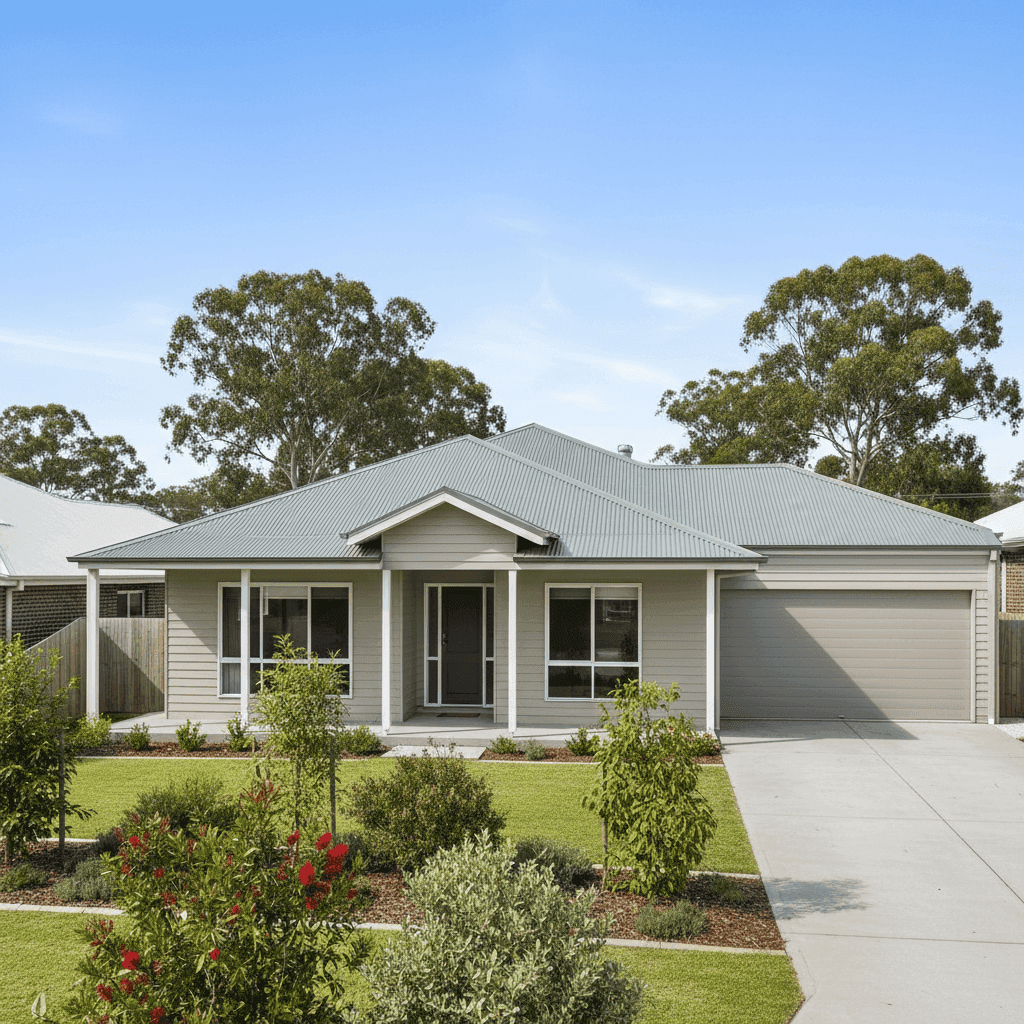
Home insurance premiums across Queensland can vary enormously — sometimes shockingly so. If you own a free standing home in Deception Bay, QLD 4508, understanding what drives your premium and how it compares to your neighbours is a smart first step toward making sure you're not overpaying. This article breaks down a real home and contents insurance quote for a three-bedroom, weatherboard home in the suburb, and puts the numbers in context.
---
Is This Quote Fair?
The quote in question comes in at $1,643 per year (or roughly $157 per month) for combined home and contents cover — with a building sum insured of $200,000 and contents valued at $30,000. Both the building and contents excess sit at $1,000.
Based on data from 107 quotes collected for Deception Bay (postcode 4508), this premium lands below the suburb's 25th percentile of $1,658 per year. In plain terms: it's cheaper than at least 75% of comparable quotes in the area. Our price rating for this quote is CHEAP — Below Average, which is genuinely good news for the homeowner.
To put it simply, if you've received a quote in this range for a property in Deception Bay, you're doing better than most. That said, it's always worth understanding why a quote is priced the way it is, and whether the level of cover is adequate for your needs.
---
How Deception Bay Compares
Deception Bay sits in a relatively favourable position when you zoom out and look at the broader insurance landscape.
| Benchmark | Premium |
|---|---|
| This quote | $1,643/yr |
| Suburb average (Deception Bay) | $2,727/yr |
| Suburb median | $2,612/yr |
| LGA average (Moreton Bay) | $3,435/yr |
| QLD state median | $3,903/yr |
| National median | $2,764/yr |
| National average | $5,347/yr |
The Queensland state average of $9,129 per year is heavily skewed by high-risk areas in Far North Queensland — cyclone-prone regions like Cairns and Townsville can push premiums into the tens of thousands. The state median of $3,903 is a more realistic benchmark for most QLD homeowners, and this quote sits well below even that figure.
Compared to the national average of $5,347, this quote is roughly 69% cheaper — a significant difference that reflects both the property's characteristics and Deception Bay's relatively moderate risk profile. The suburb's median of $2,612 suggests that while Deception Bay isn't the cheapest place to insure a home in Australia, it's far from the most expensive either.
---
Property Features That Affect Your Premium
Every detail of a property feeds into how insurers calculate risk. Here's how the key features of this particular home play into the pricing:
Weatherboard Timber Walls
Weatherboard timber construction is generally considered a higher-risk material than brick veneer or double brick, as it's more susceptible to fire and moisture damage over time. This can push premiums slightly higher compared to masonry homes. However, timber homes are extremely common in Queensland, and insurers are well-versed in pricing them.
Steel / Colorbond Roof
Colorbond steel roofing is widely regarded as one of the more insurer-friendly roof types in Australia. It's durable, resistant to corrosion, and performs well in storms — all of which can work in the homeowner's favour at premium time.
Concrete Slab Foundation
A slab foundation is a solid, low-maintenance base that generally presents fewer subsidence and moisture ingress risks compared to older stumped or timber-framed foundations. This is a positive factor for insurers.
Timber / Laminate Flooring
Timber and laminate floors can be costly to repair or replace after water damage — a relevant consideration in a coastal Queensland suburb. Insurers factor in the cost of reinstatement when setting premiums.
Built in 1998
At around 26 years old, this home is relatively modern by Queensland standards. Homes built in the late 1990s typically comply with more contemporary building codes, which can reduce risk compared to pre-1980s construction.
Ducted Climate Control
The presence of ducted air conditioning adds to the insured value of the home's fixtures and fittings. It's a meaningful inclusion in the building sum insured and contributes modestly to the overall premium.
No Pool, No Solar
The absence of a swimming pool and solar panels removes two common sources of additional risk and liability from the equation, keeping the premium leaner.
Standard Fittings
With standard-quality fittings throughout, the cost to rebuild or repair the home is more predictable and typically lower than a home with high-end or custom finishes.
---
Tips for Homeowners in Deception Bay
Whether you're reviewing an existing policy or shopping for the first time, here are four practical steps to help you get the best outcome:
- Check your sum insured regularly. Building costs have risen sharply in recent years. A $200,000 building sum insured may have been adequate when the policy was first taken out, but it's worth verifying this against current construction costs in your area. Underinsurance is one of the most common — and costly — mistakes homeowners make.
- Consider your excess carefully. A $1,000 excess on both building and contents is fairly standard, but opting for a higher voluntary excess can reduce your annual premium. If you have a solid emergency fund, this trade-off can make financial sense.
- Bundle building and contents cover. This quote already combines home and contents insurance, which is typically more cost-effective than holding two separate policies with different providers. If you haven't already bundled, it's worth exploring.
- Compare quotes at renewal time. Even if your current premium seems reasonable, the insurance market shifts regularly. Loyalty doesn't always pay — insurers often reserve their best rates for new customers. Use a comparison tool like CoverClub to benchmark your renewal quote before you accept it.
---
Get a Quote for Your Home
Curious how your own property stacks up? CoverClub makes it easy to compare home insurance quotes across Australia's leading insurers in one place. Whether you're in Deception Bay or anywhere else in the country, you can get a quote in minutes at CoverClub and see exactly where your premium sits relative to your suburb and state. Don't renew blind — compare first.