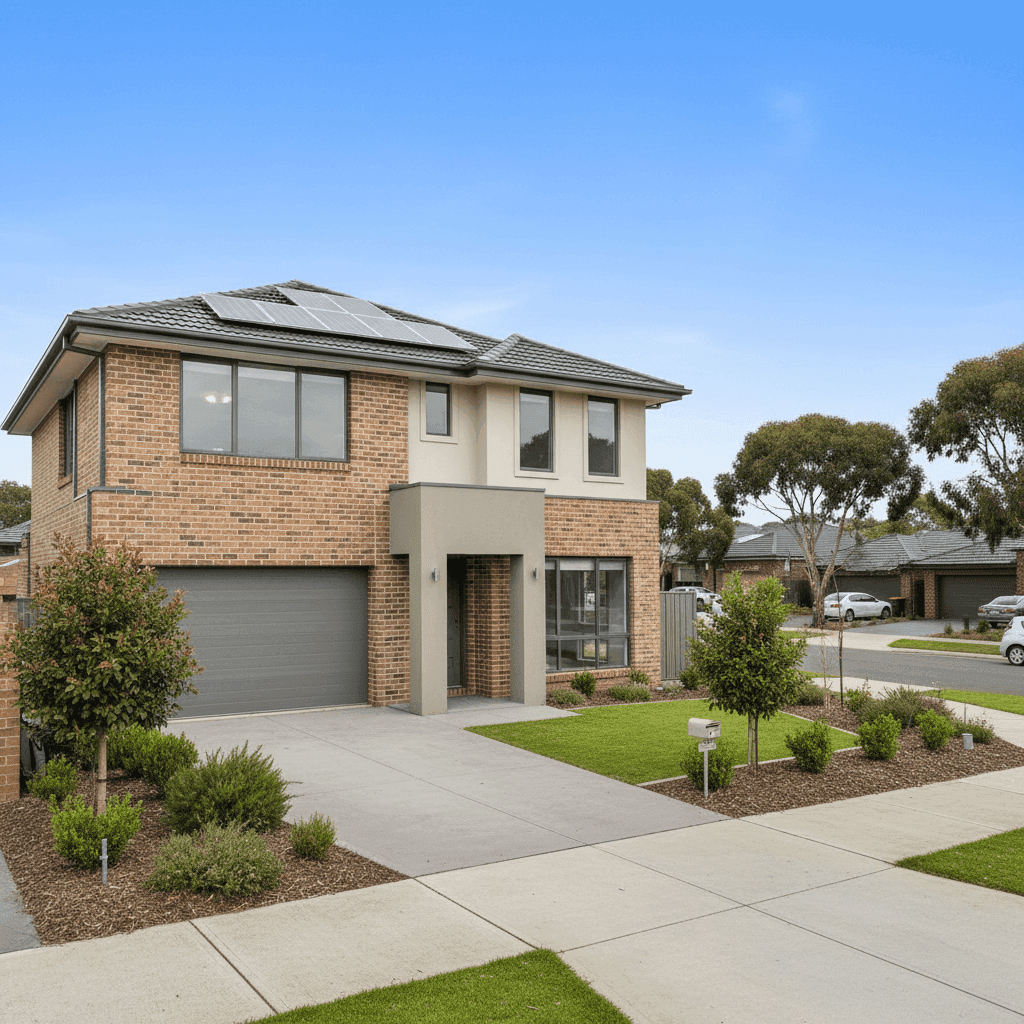
Deer Park, a well-established suburb in Melbourne's western corridor, is home to a growing number of families in solid, brick-veneer homes. If you own a free standing home in the area and you're shopping around for building insurance, understanding what a fair premium looks like — and what drives the cost — can save you hundreds of dollars a year. In this article, we break down a real building-only insurance quote for a five-bedroom home in Deer Park (VIC 3023) and put it in context against local, state, and national benchmarks.
---
Is This Quote Fair?
The quote in question sits at $1,579 per year (or $155/month) for building-only cover on a five-bedroom, brick veneer home with a sum insured of $665,000. Our price rating for this quote is Expensive — above average for the suburb.
To put that in perspective:
- The suburb average for Deer Park is $1,137/yr, and the median sits at $1,229/yr
- This quote comes in $442 above the suburb average and $350 above the median
- It also sits above the 75th percentile for the suburb ($1,443/yr), meaning it's pricier than at least three-quarters of comparable quotes in the area
That said, "expensive" doesn't automatically mean "wrong." A larger-than-average home (214 sqm, five bedrooms) with a $665,000 sum insured will naturally attract a higher premium than a smaller, lower-insured property. The key question is whether the cover and insurer quality justify the cost — or whether shopping around could yield a better deal for the same level of protection.
---
How Deer Park Compares
One genuinely encouraging finding here is just how affordable Deer Park is relative to broader Victorian and national benchmarks. Check out suburb-level insurance stats for Deer Park (3023) to explore the full picture.
| Benchmark | Average Premium | Median Premium |
|---|---|---|
| Deer Park (3023) | $1,137/yr | $1,229/yr |
| LGA (Brimbank) | $1,911/yr | — |
| Victoria | $2,921/yr | $2,694/yr |
| National | $2,965/yr | $2,716/yr |
Even at $1,579/yr, this quote is dramatically cheaper than the Victorian average of $2,921/yr — nearly half the price. Compared to the national average of $2,965/yr, homeowners in Deer Park are getting a relatively good deal overall, regardless of where within the suburb's range their quote lands.
The LGA of Brimbank averages $1,911/yr, which suggests that while Deer Park is one of the more affordable pockets within the council area, there's still meaningful variation across the broader region. You can explore Victoria-wide insurance data to see how different postcodes stack up across the state.
The relatively low premiums in Deer Park likely reflect the suburb's low cyclone risk, stable soil conditions, and the prevalence of brick-veneer construction — all factors that insurers view favourably.
---
Property Features That Affect Your Premium
Several characteristics of this particular property have a direct bearing on what insurers charge. Here's how each one plays a role:
Brick Veneer Walls & Tiled Roof
Brick veneer is one of the most common and well-regarded construction types in Victoria. Insurers generally consider it a lower risk than timber weatherboard or fibre cement, as it offers solid fire resistance and structural durability. Combined with a tiled roof — another material insurers view positively for its longevity and fire resistance — this home sits in a favourable construction category.
Concrete Slab Foundation
A slab foundation is standard for homes built in the 2000s across Melbourne's western suburbs. It's generally considered stable and low-maintenance, though it can be more expensive to repair if issues do arise. For insurance purposes, it's a neutral-to-positive factor.
Built in 2008
A 2008 construction date means the home was built under relatively modern building codes. Newer homes tend to be better insulated, better wired, and more structurally sound than older stock — all of which can help keep premiums in check.
Solar Panels
This property has solar panels installed, which is worth noting. While solar panels themselves are generally covered under building insurance, some insurers may factor in the added replacement cost or potential roof damage risk during installation or storms. It's worth confirming with your insurer that your panels are explicitly included in your sum insured.
Ducted Climate Control
Ducted heating and cooling systems are a fixed building feature and are typically covered under building insurance. However, they do add to the overall replacement cost of the home, which is reflected in the $665,000 sum insured. Ensuring your sum insured accurately accounts for these systems is important to avoid being underinsured.
No Pool
The absence of a swimming pool simplifies the risk profile slightly — pools can introduce liability considerations and additional maintenance risks that some insurers price into premiums.
Size & Sum Insured
At 214 sqm with five bedrooms and two bathrooms, this is a larger-than-average home for the suburb. The $665,000 sum insured reflects the full cost to rebuild — not the market value — and at this size and specification, that figure seems reasonable. Underinsurance is a serious risk for larger homes, so it's important not to cut corners here.
---
Tips for Homeowners in Deer Park
1. Shop Around — Seriously
The gap between the cheapest and most expensive quotes in Deer Park is significant. With the 25th percentile sitting at $865/yr and the 75th at $1,443/yr, there's nearly $600 of variation across the market. Even if your property has features that push your premium higher, comparing multiple insurers could uncover meaningful savings. Get a quote through CoverClub to see how different providers price your home.
2. Confirm Your Solar Panels Are Covered
Solar panels represent a significant investment — often $8,000–$15,000 or more. Check your policy documents to confirm they're included in your building cover and that your sum insured reflects their replacement value. Not all policies cover them automatically, and some may require a specific endorsement.
3. Review Your Sum Insured Annually
Building costs in Victoria have risen sharply in recent years due to labour shortages and material price increases. A sum insured that was accurate two years ago may no longer reflect the true cost to rebuild your home today. Many insurers offer index-linked adjustments, but it's worth manually reviewing this figure each year — particularly for a larger home like this one.
4. Consider Your Excess Strategy
This quote carries a $1,000 building excess. Opting for a higher voluntary excess (say, $2,000 or $2,500) can meaningfully reduce your annual premium. If you have the financial buffer to cover a larger out-of-pocket cost in the event of a claim, this trade-off can be worthwhile — especially for lower-frequency, high-severity events like storm or fire damage.
---
Compare Your Options with CoverClub
Whether you're renewing your policy or buying insurance for the first time, it pays to know where your quote stands. CoverClub helps Australian homeowners understand the real cost of home insurance in their area — and find better value without sacrificing cover. Start comparing quotes for your Deer Park home today and see if you can do better than the suburb average.