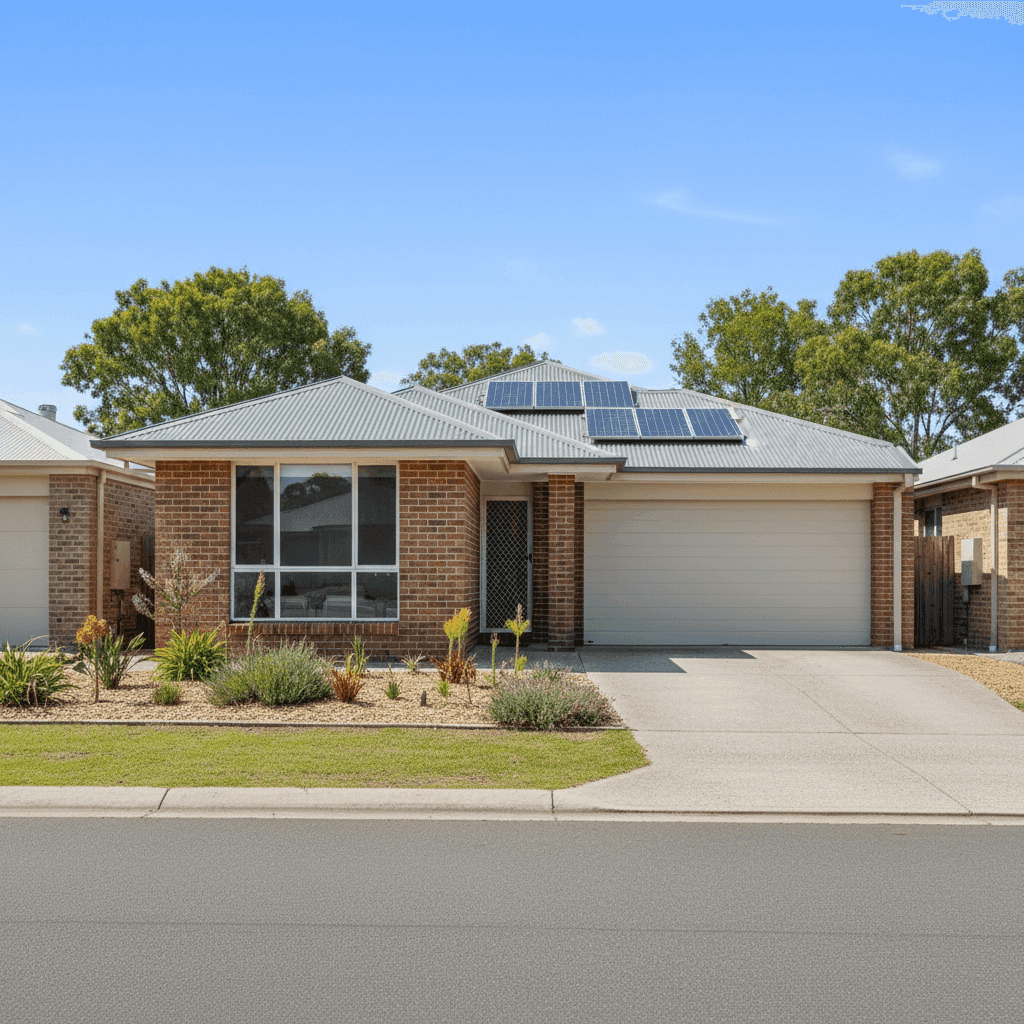
If you own a free standing home in Deeragun, QLD 4818, you've probably noticed that home insurance doesn't come cheap. Sitting in the northern suburbs of Townsville, Deeragun sits firmly within a cyclone-risk zone — and insurers price accordingly. In this article, we break down a real home and contents insurance quote for a four-bedroom brick veneer home in the area, compare it against local, state, and national benchmarks, and share practical tips to help you get better value on your cover.
---
Is This Quote Fair?
The quote in question comes in at $6,387 per year (or $605/month) for a combined home and contents policy, covering a building sum insured of $570,000 and contents valued at $50,000. The building excess is $1,000 and the contents excess is $500.
Our price rating for this quote is Expensive — above average for the Deeragun suburb.
To put that in perspective, the suburb average premium sits at $3,877/year, and the median is $3,780/year. This quote is roughly 64% above the suburb average and sits well above the 75th percentile of $4,718/year — meaning it's more expensive than at least three-quarters of comparable quotes in the area.
That said, "expensive" doesn't automatically mean "wrong." A number of property-specific factors — including the building size, the presence of solar panels and ducted climate control, and the cyclone risk classification — can legitimately push a premium higher than the suburb norm. The key question is whether you're getting the right level of cover for what you're paying, and whether there's room to shop around.
---
How Deeragun Compares
Understanding where your premium sits relative to broader benchmarks is essential context. Here's how the numbers stack up:
| Benchmark | Premium |
|---|---|
| This Quote | $6,387/yr |
| Deeragun Suburb Average | $3,877/yr |
| Deeragun Suburb Median | $3,780/yr |
| Deeragun 25th Percentile | $2,743/yr |
| Deeragun 75th Percentile | $4,718/yr |
| LGA (Townsville) Average | $7,340/yr |
| QLD State Average | $9,129/yr |
| QLD State Median | $3,903/yr |
| National Average | $5,347/yr |
| National Median | $2,764/yr |
(Based on a sample of 37 quotes in the Deeragun suburb.)
A few things stand out here. While this quote is above the suburb average, it's actually below the Townsville LGA average of $7,340/year and well below the QLD state average of $9,129/year. Queensland's state average is heavily skewed by high-risk postcode premiums across the north, which is why the median ($3,903) tells a more grounded story.
Compared to the national average of $5,347/year, this quote is about 19% higher — but compared to the national median of $2,764/year, it's more than double. That gap reflects the reality of insuring property in cyclone-prone North Queensland, where risk premiums are structurally higher than in southern states.
You can explore the full data for this suburb at CoverClub's Deeragun stats page, compare it against Queensland-wide insurance data, or view national home insurance benchmarks.
---
Property Features That Affect Your Premium
Several characteristics of this property have a direct bearing on what insurers charge. Here's what's most relevant:
Cyclone Risk Zone
This is the single biggest premium driver for Deeragun. The suburb sits within a designated cyclone risk area, which means insurers apply significant loadings to account for the potential cost of wind and storm damage. Cyclone cover is not optional in this region — it's baked into standard policies — and the associated risk is reflected in the price.
Building Size and Sum Insured
At 205 square metres and a building sum insured of $570,000, this is a substantial property. A higher sum insured means greater potential payout for the insurer in the event of a total loss, which directly increases the premium. It's worth periodically reviewing your sum insured to ensure it reflects current rebuild costs — neither underinsured nor inflated.
Brick Veneer Walls and Colorbond Roof
Brick veneer construction is generally viewed favourably by insurers — it's durable and performs reasonably well in storm conditions. A steel/Colorbond roof is also a practical choice in Queensland's climate, offering good resistance to wind and rain. These materials may help moderate the premium compared to less resilient construction types.
Solar Panels
Solar panels add value to a property but also represent an additional insurable asset. Depending on the policy, solar systems may be covered under the building sum insured or require separate consideration. It's important to confirm your panels are explicitly covered and that the sum insured accounts for their replacement value.
Ducted Climate Control
Ducted air conditioning systems are a significant fixed asset and contribute to the overall replacement cost of the home. Their inclusion is another factor that can nudge premiums upward, particularly when calculating accurate building replacement costs.
Slab Foundation and Tile Flooring
A concrete slab foundation is common in Queensland and is generally considered low-risk from an insurance perspective. Tiled flooring throughout is also durable and straightforward to replace, which works in the homeowner's favour when insurers assess contents and building risk.
---
Tips for Homeowners in Deeragun
1. Shop Around — Premiums Vary Significantly
The spread between the 25th percentile ($2,743/yr) and the 75th percentile ($4,718/yr) in Deeragun shows there's meaningful variation in what different insurers charge for similar properties. Don't assume your renewal quote is the best available. Comparing multiple quotes through a platform like CoverClub can surface significantly cheaper options for equivalent cover.
2. Review Your Sum Insured Carefully
Overinsuring your building inflates your premium unnecessarily, while underinsuring leaves you exposed in the event of a major claim. Use a building cost calculator to estimate current construction costs per square metre in Townsville, and make sure your sum insured reflects a realistic rebuild figure — not the market value of the property.
3. Consider a Higher Excess
Opting for a higher voluntary excess (above the standard $1,000 for building) can reduce your annual premium. This strategy works well if you have an emergency fund and are primarily seeking cover for catastrophic events rather than minor claims. Just make sure the excess remains manageable if you do need to claim.
4. Confirm Your Cyclone and Storm Cover
In North Queensland, the detail of your cyclone cover matters enormously. Check whether your policy includes a separate cyclone excess (many do), what the waiting periods are, and whether storm surge is included. Understanding exactly what you're covered for — before a weather event — is just as important as the premium itself.
---
Ready to Compare?
Whether this quote stacks up or you suspect there's a better deal out there, the best way to find out is to compare. CoverClub makes it easy to get multiple home and contents insurance quotes for your Deeragun property in minutes. Start your comparison here and see how much you could save.