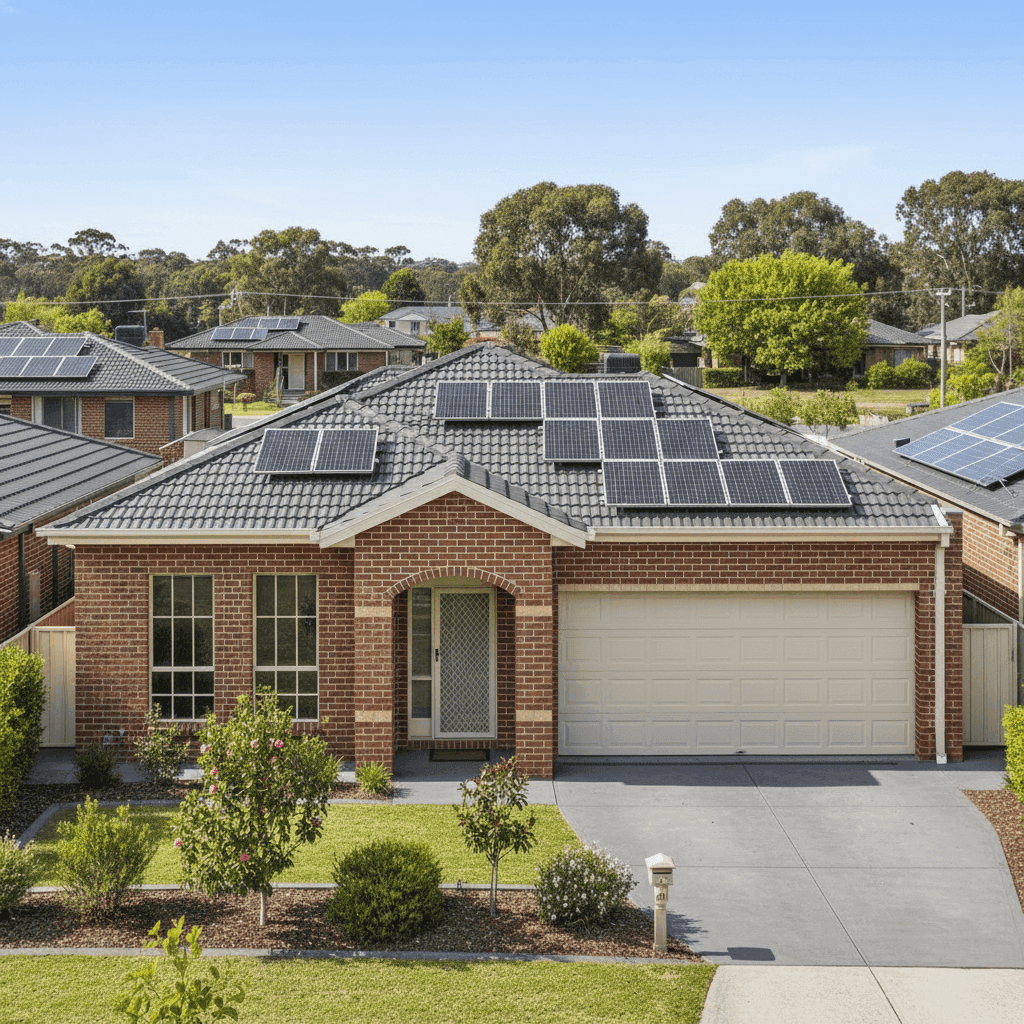
If you own a free standing home in Delahey, VIC 3037, you're probably wondering whether you're paying a fair price for home and contents insurance — or leaving money on the table. This article breaks down a real insurance quote for a three-bedroom, two-bathroom brick veneer home in Delahey, compares it against suburb, state, and national benchmarks, and offers practical tips to help you get the best value cover.
---
Is This Quote Fair?
The quote in question comes in at $1,134 per year (or around $109 per month) for combined home and contents insurance, covering a building sum insured of $406,000 and contents valued at $50,000, each with a $2,000 excess.
Our price rating for this quote? Cheap — below average. That's genuinely good news for the homeowner.
To put it in perspective, the suburb average premium in Delahey sits at $1,498 per year, with a median of $1,463. This quote lands well below both figures — and even falls beneath the 25th percentile of $1,222 when you consider the level of cover included. For a combined home and contents policy with a solid building sum insured, paying $1,134 annually represents real value.
It's worth noting that cheaper isn't always better if it means being underinsured or holding a policy riddled with exclusions. However, assuming the policy terms are comparable, this quote appears to offer genuinely competitive pricing for Delahey.
---
How Delahey Compares
Understanding where Delahey sits relative to broader benchmarks helps put this quote into sharper context. Based on data from CoverClub's Delahey suburb stats, here's how the numbers stack up:
| Benchmark | Annual Premium |
|---|---|
| This Quote | $1,134 |
| Delahey Suburb Average | $1,498 |
| Delahey Suburb Median | $1,463 |
| Delahey 25th Percentile | $1,222 |
| Delahey 75th Percentile | $1,745 |
| Brimbank LGA Average | $1,707 |
| VIC State Average | $3,000 |
| VIC State Median | $2,718 |
| National Average | $5,347 |
| National Median | $2,764 |
The contrast with broader figures is striking. The Victorian state average sits at $3,000 per year — more than double this quote. And compared to the national average of $5,347, Delahey homeowners are paying a fraction of what many Australians face elsewhere.
Much of that national disparity is driven by high-risk areas in Queensland and Western Australia, where cyclone, flood, and storm exposure can send premiums soaring. Delahey, sitting in Melbourne's north-western suburbs, benefits from a relatively benign risk profile — no cyclone zone designation, lower flood risk than many coastal or riverside locations, and a stable, established residential environment.
Even within Victoria, Delahey compares favourably. The Brimbank LGA average of $1,707 is notably higher than this quote, suggesting the property's specific characteristics are helping keep costs down.
---
Property Features That Affect Your Premium
Insurers don't pull premium figures out of thin air — every detail of your property feeds into the calculation. Here's how the features of this particular home influence its pricing:
Brick Veneer Construction Brick veneer is widely regarded as a solid, fire-resistant building material, and insurers tend to view it favourably. It's durable, low-maintenance, and less susceptible to fire spread than timber-framed weatherboard homes. This likely contributes to a more competitive premium.
Tiled Roof Terracotta or concrete tile roofs are another tick in the insurer's box. They're long-lasting, fire-resistant, and handle Melbourne's variable weather well. A roof in poor condition can attract premium loadings, so keeping tiles well-maintained is worthwhile.
Slab Foundation A concrete slab foundation is common in homes built in the early 1990s and is generally considered stable and low-risk from an insurance perspective — particularly in areas without significant soil movement or flood exposure.
Construction Year: 1992 At around 33 years old, this home is mature but not aged. It predates some modern building standards, but brick veneer homes from this era are typically well-constructed and not yet at the age where insurers start flagging significant depreciation concerns.
Solar Panels The presence of solar panels is worth flagging. Many standard home insurance policies cover rooftop solar panels as part of the building, but it's essential to confirm this with your insurer. Solar systems can be costly to replace, and some policies have specific sub-limits or exclusions. Always check whether your system is covered for accidental damage, storm damage, and electrical faults.
Ducted Climate Control Ducted heating and cooling systems add value to a home but also represent a significant replacement cost if damaged. Ensuring your building sum insured accounts for this — and any other fixed inclusions — is important to avoid being underinsured.
Building Size: 139 sqm At 139 square metres, this is a modest but comfortable home. The building sum insured of $406,000 works out to roughly $2,921 per square metre — a reasonable figure for a brick veneer home in metropolitan Melbourne, though it's always worth checking against current construction costs in your area.
---
Tips for Homeowners in Delahey
Whether you're reviewing your existing policy or shopping for new cover, here are four practical steps to make sure you're getting the right deal.
1. Verify Your Solar Panel Cover Don't assume your solar panels are automatically included. Contact your insurer and ask specifically whether your system is covered, what the sub-limit is, and whether damage from power surges or inverter failure is included. If it's not, you may need to arrange separate cover or switch to a policy that includes it.
2. Review Your Building Sum Insured Annually Construction costs in Melbourne have risen significantly in recent years. The sum insured you set three years ago may no longer be sufficient to fully rebuild your home today. Use a building calculator or speak with a quantity surveyor to ensure your coverage keeps pace with current rebuild costs.
3. Compare Quotes Before Renewing Loyalty doesn't always pay in insurance. Many insurers offer their best pricing to new customers, meaning long-term policyholders can quietly drift into overpaying. Before your renewal date, compare quotes on CoverClub to see whether you can secure equivalent cover at a lower price.
4. Consider Your Excess Carefully This policy carries a $2,000 excess on both building and contents. A higher excess typically reduces your annual premium, but it also means a larger out-of-pocket cost when you make a claim. Think about what you could comfortably afford in an emergency and set your excess accordingly — it's a balance between short-term savings and financial resilience.
---
Ready to See What You Could Pay?
Every home is different, and the best way to know whether you're getting a fair deal is to compare. CoverClub makes it easy to get personalised home and contents insurance quotes for your property in Delahey and across Australia. Start comparing quotes today and find out whether your current insurer is giving you the value you deserve.