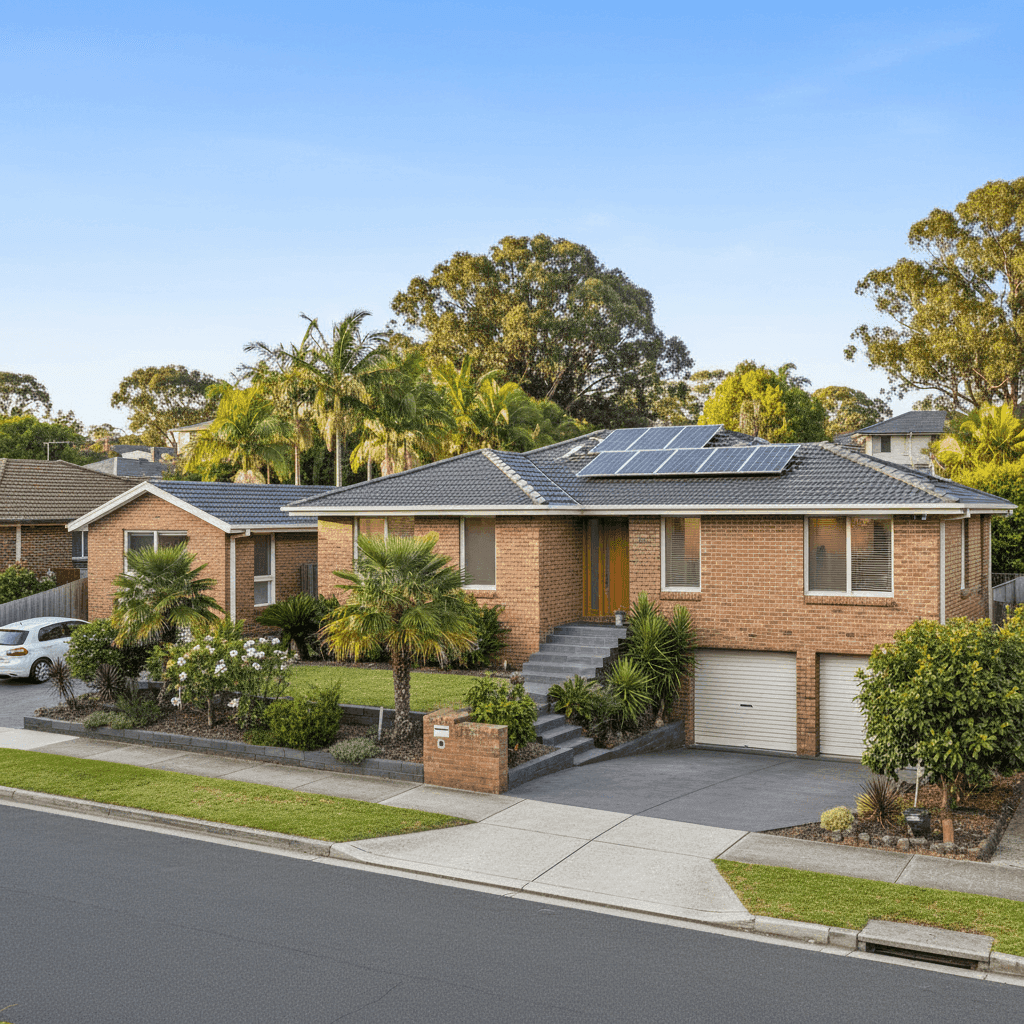
If you own a free standing home in Denistone, NSW 2114, you'll know that getting the right home and contents insurance is one of the most important financial decisions you can make. Denistone is a quiet, leafy suburb in the City of Parramatta — known for its solid family homes, good schools, and convenient access to both the CBD and the Hills District. With property values firmly in the upper tier, making sure your home is adequately covered is absolutely essential.
This article breaks down a real home and contents insurance quote for a six-bedroom, three-bathroom free standing home in Denistone, examining whether the premium stacks up against local, state, and national benchmarks — and what you can do to make sure you're getting value for money.
---
Is This Quote Fair?
The quote in question comes in at $2,581 per year (or $257/month), covering a building sum insured of $1,437,000 and contents valued at $136,000. The building excess is $3,000, while the contents excess sits at $1,000.
Our price rating for this quote is Expensive (Above Average).
To put that in context: the suburb average for Denistone is $1,973/year, and the median sits at $2,004/year. This quote lands above the 75th percentile of $2,311/year, meaning it's more expensive than at least three-quarters of comparable quotes in the area.
That said, "expensive" doesn't automatically mean "wrong." This is a substantial property — 399 sqm of living space, above-average fittings, solar panels, ducted climate control, and a granny flat all add meaningful replacement cost and risk complexity to the policy. A higher-than-average premium may well be justified given the scope of what's being covered.
The key question every homeowner should ask is: is the sum insured accurate, and are you paying a competitive rate for that level of cover?
---
How Denistone Compares
Understanding where your suburb sits relative to broader benchmarks helps you gauge whether your insurer is pricing your risk fairly. Here's how Denistone stacks up:
| Benchmark | Average Premium | Median Premium |
|---|---|---|
| Denistone (NSW 2114) | $1,973/yr | $2,004/yr |
| LGA (Parramatta) | $2,048/yr | — |
| New South Wales | $3,801/yr | $3,410/yr |
| National | $2,965/yr | $2,716/yr |
A few things stand out here. First, Denistone homeowners enjoy notably lower premiums than the NSW state average — roughly half the cost, in fact. This reflects the suburb's relatively low exposure to natural hazard risks like flooding, bushfire, and cyclones compared to many other parts of the state.
Second, Denistone sits below the national average as well, which is a positive sign for local property owners. The suburb's urban location, modern infrastructure, and low cyclone risk all contribute to a more favourable risk profile in the eyes of insurers.
The quote being analysed here ($2,581/yr) sits above the local suburb average but well below the NSW state average — a nuance worth keeping in mind when assessing overall value.
---
Property Features That Affect Your Premium
Several characteristics of this property are likely influencing the premium, both upward and downward.
Size and Rebuild Cost
At 399 sqm with six bedrooms and three bathrooms, this is a large home by any measure. The building sum insured of $1,437,000 reflects the genuine cost of rebuilding a home of this size and quality — and a higher sum insured naturally means a higher premium. Underinsuring to save on premiums is a false economy; if disaster strikes, the shortfall could be devastating.
Construction: Brick Veneer and Tiled Roof
Brick veneer walls paired with a tiled roof is a very common and generally well-regarded construction combination in NSW. Both materials are considered durable and relatively resistant to fire and storm damage, which typically works in your favour with insurers. Slab foundations are also standard and low-risk.
Above-Average Fittings
The property's fittings are rated above average, meaning fixtures, finishes, and appliances are of higher quality than a standard home. This increases the cost to repair or replace damaged elements, and insurers price this accordingly.
Solar Panels
Solar panels add value to a property but also introduce additional replacement and liability considerations. Most insurers cover rooftop solar as part of the building, but it's worth confirming exactly what's included in your policy — particularly for panels, inverters, and battery systems if applicable.
Ducted Climate Control
A ducted HVAC system is a significant fixed asset. Replacement costs can run into the tens of thousands of dollars, so having it properly covered under your building sum insured is important.
Granny Flat
The presence of a granny flat adds both living space and potential rental income — but it also adds complexity to your insurance. Make sure your policy explicitly covers the granny flat structure, and if it's tenanted, discuss landlord liability coverage with your insurer.
Elevation
The property is slightly elevated (less than 1 metre), which can assist with drainage and reduce flood risk exposure. This is a minor but positive factor in the overall risk assessment.
---
Tips for Homeowners in Denistone
1. Review your building sum insured regularly Construction costs have risen significantly in recent years. A sum insured that was accurate two or three years ago may now fall short of what it would actually cost to rebuild your home. Use a building cost estimator or speak with a quantity surveyor to make sure your coverage keeps pace with reality.
2. Compare quotes — not just at renewal The insurance market is competitive, and loyalty doesn't always pay. Getting at least two or three quotes at renewal time (or even mid-policy if you're unhappy) can reveal meaningful savings. Compare home insurance quotes at CoverClub to see what's available for your address.
3. Check your granny flat is fully covered Not all standard home insurance policies automatically extend full cover to a secondary dwelling. Review your Product Disclosure Statement (PDS) carefully, and ask your insurer directly whether the granny flat is covered for building, contents, and liability — especially if it's occupied by a tenant or family member.
4. Understand your excess structure This policy carries a $3,000 building excess and a $1,000 contents excess. Opting for a higher excess is a common way to reduce your annual premium, but make sure the excess you choose is genuinely affordable in the event of a claim. There's little point in saving $200/year if a $3,000 excess would cause financial stress when you need to make a claim.
---
Ready to See If You Can Do Better?
Whether you're renewing your current policy or shopping around for the first time, comparing quotes is the smartest move you can make. At CoverClub, we make it easy to see how your premium stacks up against others in your suburb — and find a policy that gives you the right cover at a fair price.
Get a home insurance quote for your Denistone property today →
You can also explore detailed insurance cost data for Denistone and the 2114 postcode, across NSW, or nationally to see how your situation compares.