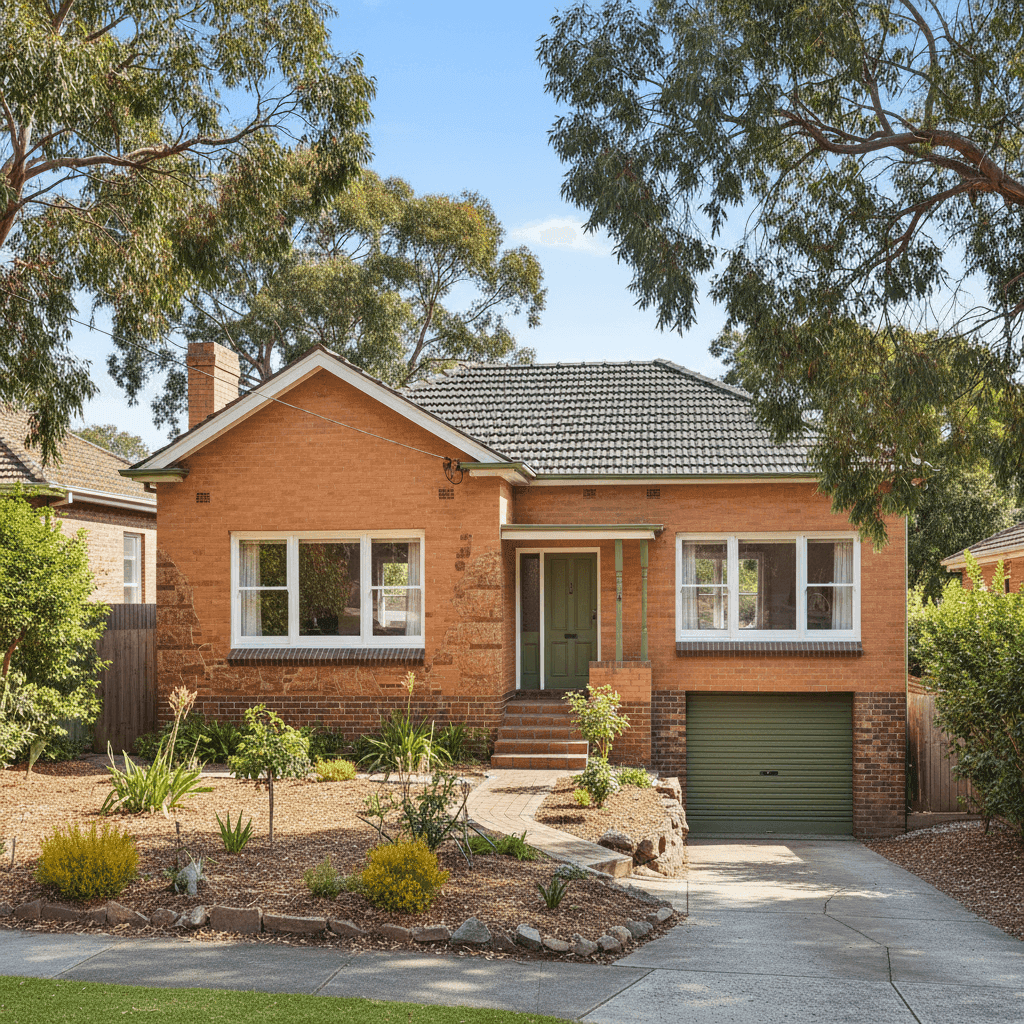
Denistone West is a quiet, leafy suburb in the City of Parramatta, sitting just 16 kilometres west of the Sydney CBD. It's a neighbourhood characterised by solid, well-established homes — and a four-bedroom, double brick free standing home built in 1960 is about as quintessentially mid-century Sydney as it gets. If you own a property like this and you're wondering whether your home and contents insurance premium stacks up, this analysis is for you.
We've examined a recent quote for exactly this type of property: a four-bedroom, two-bathroom home on stumps with a tiled roof, timber and laminate flooring, standard fittings, and ducted climate control. The building is insured for $1,121,000 with $46,000 in contents cover, carrying an annual premium of $2,294 (or $220 per month), with a $5,000 excess on both building and contents.
---
Is This Quote Fair?
The short answer: this quote is rated Expensive — sitting above the average for Denistone West.
Based on suburb data for postcode 2114, the average home insurance premium in Denistone West sits at $1,920 per year, with a median of $1,914. The quote in question — at $2,294 — lands above the 75th percentile for the suburb ($2,165), meaning it's more expensive than at least three-quarters of comparable quotes in the area.
That said, context matters. The sum insured here is $1,121,000 for the building alone, which is a substantial rebuild cost even for a well-built double brick home. High building sums insured naturally push premiums upward, so some of the price difference may reflect the level of cover rather than the insurer's base rate. The $5,000 excess on both building and contents is on the higher side, which typically acts to reduce premiums — so the fact the quote is still above average despite this is worth noting.
The bottom line: if you're paying $2,294 a year for this property, it's worth shopping around to see whether a comparable level of cover is available at a lower price point.
---
How Denistone West Compares
One of the most striking things about this quote is how it sits relative to broader NSW insurance data and national benchmarks.
| Benchmark | Average Premium | Median Premium |
|---|---|---|
| Denistone West (2114) | $1,920/yr | $1,914/yr |
| LGA (Parramatta) | $2,031/yr | — |
| NSW | $9,528/yr | $3,770/yr |
| National | $5,347/yr | $2,764/yr |
The NSW average of $9,528 is heavily skewed by high-risk and high-value properties across the state — flood zones, bushfire corridors, and coastal areas all drag that figure upward. The median of $3,770 is a more realistic yardstick for typical NSW homeowners. Denistone West's median of $1,914 is well below both the state and national medians, which reflects the suburb's relatively low exposure to natural hazards and its stable, established housing stock.
At $2,294, this quote is above the local suburb average but still comfortably below the NSW and national medians — which provides some reassurance that the premium isn't wildly out of step with broader market conditions.
---
Property Features That Affect Your Premium
Several characteristics of this property have a meaningful influence on what insurers charge:
Double Brick Construction Double brick is generally viewed favourably by insurers. It's robust, fire-resistant, and durable — qualities that reduce the likelihood and severity of structural claims. Homes with double brick walls often attract more competitive premiums than those built with lightweight or weatherboard cladding.
Tiled Roof Terracotta or concrete tiles are considered a low-to-moderate risk roofing material. They're long-lasting and perform well in most weather conditions. That said, a roof from a home built in 1960 may be approaching the end of its serviceable life, and some insurers factor in the age of roofing materials when calculating risk.
Stump Foundation Homes on stumps (also called pier and beam foundations) are common in older Sydney properties. While this construction style offers good ventilation and can be easier to repair, some insurers apply a loading for subfloor risk — particularly if the stumps are original timber rather than steel or concrete replacements.
Timber and Laminate Flooring These flooring types can be more susceptible to water damage than tiles or concrete, which may subtly influence contents and internal damage claims.
Ducted Climate Control The presence of a ducted climate control system increases the replacement value of the home's fixtures and services. This is likely a contributing factor to the higher building sum insured, and by extension, the premium.
Age of Construction (1960) Homes built in the 1960s can present higher rebuild complexity due to older materials, non-standard dimensions, and the potential presence of materials like asbestos (common in homes of that era). Insurers often apply a loading for older properties to account for these factors.
---
Tips for Homeowners in Denistone West
1. Review your sum insured carefully A building sum insured of $1,121,000 is significant. Make sure this figure reflects the actual cost to rebuild the home from scratch — not its market value. Overcooking the sum insured is a common mistake that inflates premiums unnecessarily. Use a building cost calculator or get a professional assessment to confirm the right figure.
2. Consider whether your excess is working for you A $5,000 excess is relatively high. While it does reduce your premium, it also means you're effectively self-insuring for smaller claims. Think about the types of claims you're most likely to make and whether a lower excess (with a slightly higher premium) might offer better overall value.
3. Shop the market annually Insurers don't reward loyalty — premiums tend to creep up at renewal without a corresponding increase in risk. Given this quote sits above the suburb average, comparing at least two or three insurers at renewal time could yield meaningful savings. CoverClub makes this easy.
4. Check your contents sum $46,000 in contents cover is on the modest side for a four-bedroom home. Take a room-by-room inventory to make sure you're not underinsured — particularly for electronics, furniture, whitegoods, and clothing. Underinsurance can leave you significantly out of pocket after a major loss.
---
Ready to Compare?
If you own a home in Denistone West and want to see how your current premium stacks up, CoverClub gives you instant access to suburb-level benchmarks and makes it easy to compare quotes from multiple insurers. Enter your address to get started — it takes just a few minutes and could save you hundreds of dollars a year.