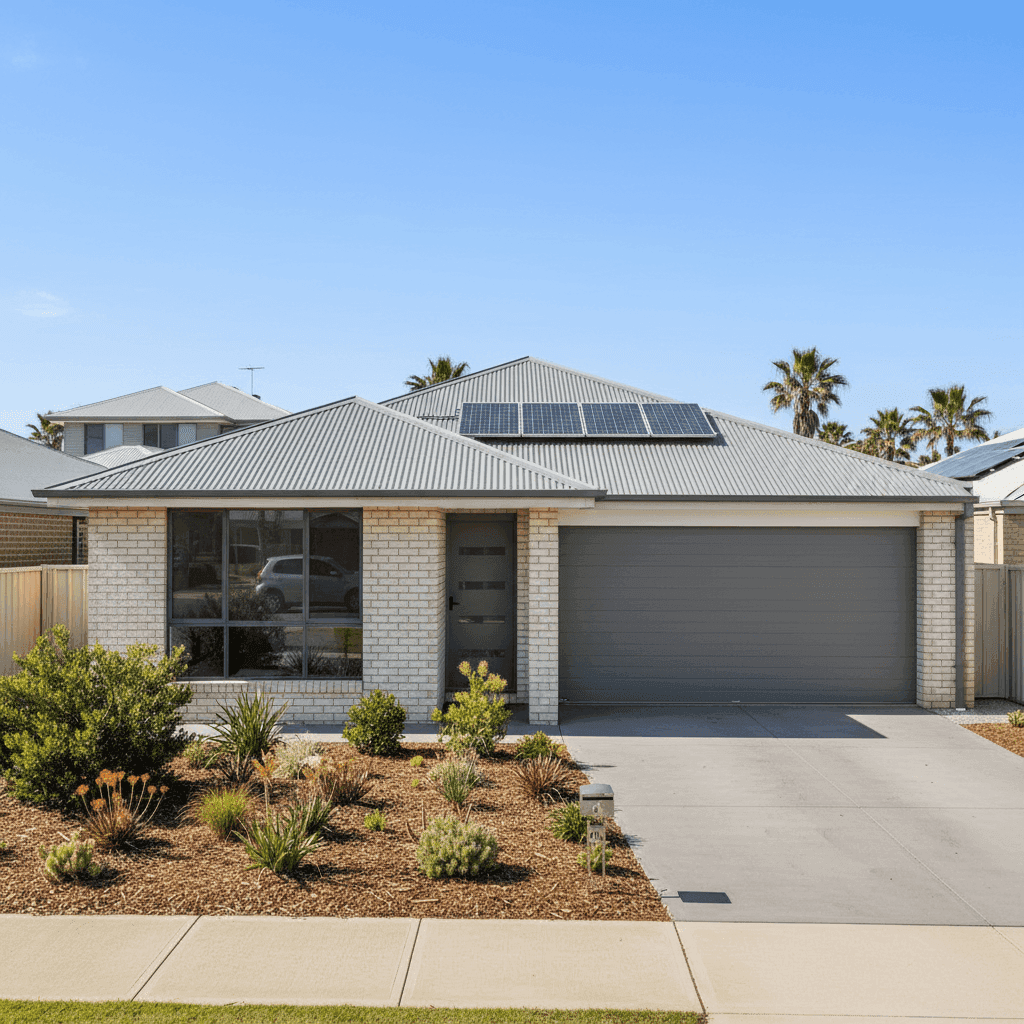
Dicky Beach is one of the Sunshine Coast's most loved coastal pockets — a relaxed beachside suburb that attracts families and long-term residents alike. But living close to the coast in Queensland comes with its own set of considerations when it comes to protecting your home. This article breaks down a real home and contents insurance quote for a four-bedroom, free-standing home in Dicky Beach (QLD 4551), and puts the numbers in context so you can make a more informed decision about your own cover.
---
Is This Quote Fair?
The quote in question comes in at $3,133 per year (or $314/month) for combined home and contents cover, with a building sum insured of $867,000 and contents valued at $219,000. The building excess is set at $3,000 and the contents excess at $1,000.
Our price rating for this quote is FAIR — Around Average, which is a reasonable outcome for a property of this type in this location. It sits comfortably within the typical range for the suburb, neither at the budget end nor among the more expensive quotes we've seen. For homeowners who haven't reviewed their policy in a while, this is a useful benchmark: you're not being significantly overcharged, but there may still be room to do better depending on your insurer and the specific inclusions in your policy.
---
How Dicky Beach Compares
To properly assess whether $3,133/yr represents good value, it helps to look at what others in the area — and across the state — are paying.
Based on data from Dicky Beach suburb insurance stats (23 quotes sampled):
| Benchmark | Premium |
|---|---|
| This quote | $3,133/yr |
| Suburb average | $3,314/yr |
| Suburb median | $3,290/yr |
| Suburb 25th percentile | $2,146/yr |
| Suburb 75th percentile | $3,895/yr |
This quote lands just below both the suburb average and median — a positive sign. It sits in the second quartile, meaning roughly 50–75% of comparable quotes in the area are higher. That said, the 25th percentile sits at $2,146/yr, which tells us that some homeowners in Dicky Beach are securing meaningfully cheaper cover. It's worth exploring whether a different insurer or policy structure could bring costs down further.
Zooming out to the state level, the picture shifts considerably. According to QLD home insurance statistics, the average premium across Queensland is a striking $9,129/yr, driven largely by high-risk regions in North Queensland prone to cyclones and flooding. The QLD median is $3,903/yr — and this quote beats that figure too, which is encouraging. The Sunshine Coast LGA average sits at $7,249/yr, again reflecting the broader range of risk profiles across the region.
At a national level, the Australian average home insurance premium is $5,347/yr, with a national median of $2,764/yr. The fact that this quote is above the national median but well below the national average is consistent with a coastal Queensland property that carries moderate — but not extreme — risk.
---
Property Features That Affect Your Premium
Several characteristics of this property directly influence the premium being charged. Understanding these factors can help you anticipate costs and identify opportunities to reduce them.
Brick Veneer Construction Brick veneer walls are generally viewed favourably by insurers. They offer solid fire resistance and structural durability compared to lightweight cladding or weatherboard, which can translate to lower premiums. This is a positive factor for this property.
Steel/Colorbond Roof Colorbond steel roofing is a common and well-regarded choice in Queensland. It performs well in high winds and is resistant to corrosion — both important considerations in a coastal suburb. Insurers typically rate it similarly to or better than concrete tiles, and it's less prone to cracking or dislodging in storms.
Slab Foundation A concrete slab foundation is a neutral-to-positive factor from an insurance perspective. It reduces the risk of subsidence and pest-related structural damage, which can be a concern with older homes on stumps or timber piers.
Construction Year: 1981 At over 40 years old, this home falls into a category that insurers scrutinise more carefully. Older properties may have ageing electrical wiring, plumbing, or roofing that increases the likelihood of a claim. It's worth ensuring your sum insured accounts for the cost of bringing the property up to current building codes in the event of a major repair or rebuild.
Solar Panels The presence of solar panels adds a modest amount to the insured value of the property. Most home insurance policies cover rooftop solar systems as part of the building, but it's important to confirm this with your insurer and ensure the panels are included in your sum insured calculation.
Timber and Laminate Flooring Timber and laminate floors can be costly to replace or repair following water damage, which is one of the most common home insurance claims. This is a factor that may slightly elevate the contents or building replacement cost estimate.
No Pool, No Ducted Climate Control The absence of a pool removes one significant liability and maintenance risk from the equation. Similarly, no ducted air conditioning system means fewer mechanical components that could fail and cause damage — both modest but real factors in keeping premiums reasonable.
---
Tips for Homeowners in Dicky Beach
1. Review your sum insured annually With building costs continuing to rise across Queensland, the cost to rebuild a 235 sqm brick veneer home has increased substantially in recent years. Make sure your $867,000 sum insured still reflects current construction costs in the Sunshine Coast region — underinsurance is one of the most common and costly mistakes homeowners make.
2. Shop around — even if your current quote seems fair A "fair" rating means you're around the market average, but the data shows that some Dicky Beach homeowners are paying closer to $2,100/yr. Using a comparison tool like CoverClub takes the guesswork out of finding a more competitive rate without sacrificing cover quality.
3. Check your solar panels are covered If you've had solar panels installed since your policy was last updated, confirm with your insurer that they're explicitly covered under your building policy. Some older policies may not automatically include them, and replacement costs for a modern solar system can run into the thousands.
4. Consider your excess settings carefully This quote carries a relatively high building excess of $3,000. While a higher excess typically lowers your annual premium, it means you'll need to cover more out of pocket in the event of a claim. Make sure the excess level aligns with what you could comfortably afford in an emergency — particularly given the potential for storm or water damage events on the Sunshine Coast.
---
Compare Your Own Quote
Whether you're a long-time Dicky Beach local or new to the area, it pays to know what you should be paying for home insurance. CoverClub makes it easy to compare quotes from leading Australian insurers in minutes. Get a home insurance quote today and see how your premium stacks up against your neighbours.