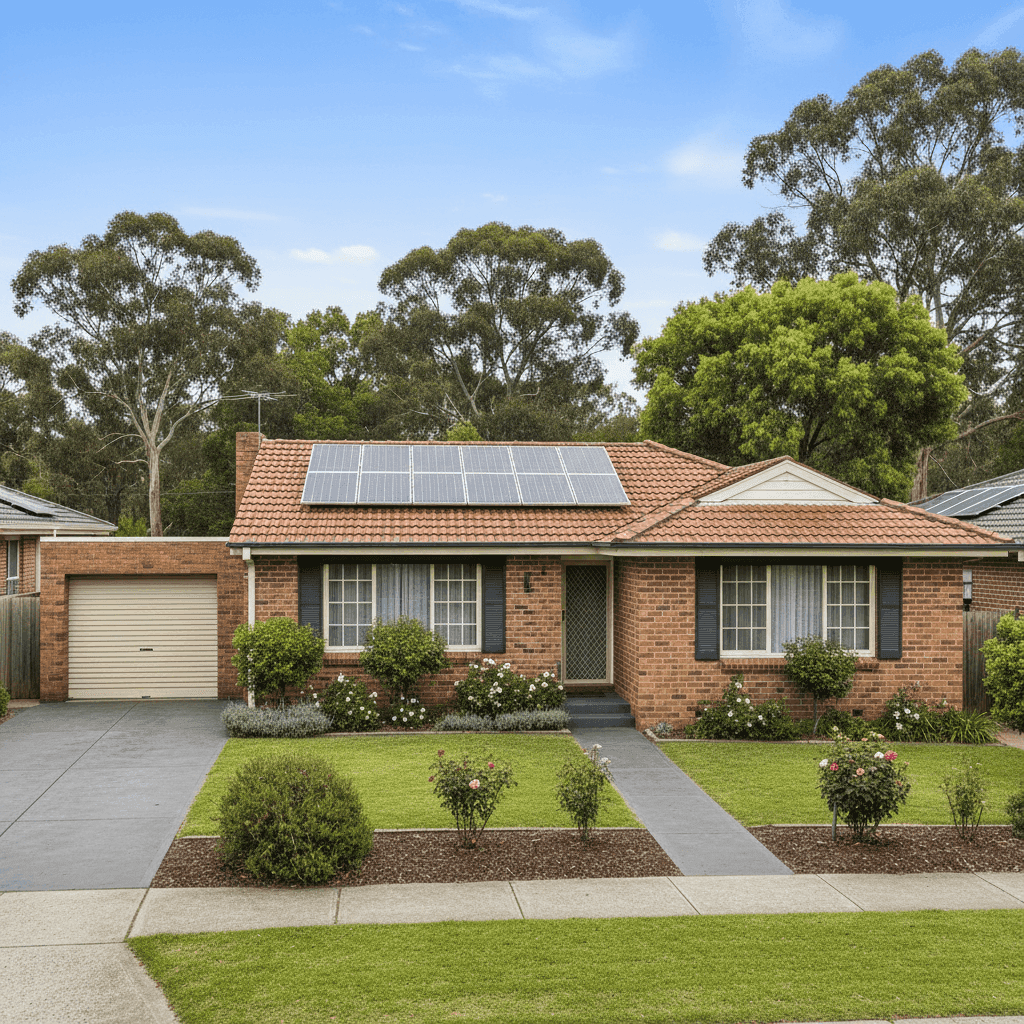
If you own a free standing home in Dingley Village, VIC 3172, you've probably wondered whether you're paying a fair price for your home and contents insurance. This article breaks down a real insurance quote for a five-bedroom, two-bathroom brick veneer home in this popular south-eastern Melbourne suburb — and puts the numbers in context so you can make a more informed decision at renewal time.
---
Is This Quote Fair?
The quote in question comes in at $2,198 per year (or $199/month) for combined home and contents cover, with a building sum insured of $716,000 and contents valued at $121,000. Both the building and contents excess are set at $1,000.
Our price rating for this quote is FAIR — Around Average, and the data backs that up. Based on 26 quotes collected for Dingley Village, the suburb average sits at $2,034/yr and the median at $2,068/yr. This quote lands just above the 75th percentile for the suburb ($2,203/yr), meaning it's slightly on the higher end of what locals are paying — but not dramatically so.
To put it plainly: you're not being gouged, but there may be room to sharpen the price with a bit of shopping around.
---
How Dingley Village Compares
One of the most reassuring things about insuring a home in Dingley Village is just how favourably the suburb stacks up against broader benchmarks.
| Benchmark | Annual Premium |
|---|---|
| This quote | $2,198 |
| Dingley Village suburb average | $2,034 |
| Dingley Village suburb median | $2,068 |
| LGA average (Kingston, Vic.) | $3,103 |
| VIC state average | $3,000 |
| VIC state median | $2,718 |
| National average | $5,347 |
| National median | $2,764 |
The figures tell a compelling story. Compared to the Victorian state average of $3,000/yr, this quote is about 27% cheaper. And against the national average of $5,347/yr — which is heavily skewed by high-risk regions like Far North Queensland and coastal flood zones — Dingley Village homeowners are paying less than half.
Even within the Kingston LGA, where the average sits at $3,103/yr, this quote performs well. Dingley Village appears to be a relatively low-risk pocket of Melbourne's south-east, which is reflected in the competitive premiums on offer.
---
Property Features That Affect Your Premium
Several characteristics of this particular property influence how insurers price the risk — some favourably, others less so.
Brick Veneer Construction & Tiled Roof
Brick veneer walls with a tiled roof are considered a low-to-moderate risk combination by most Australian insurers. Brick is fire-resistant and durable, while tiles offer solid weather protection. This construction profile is common across Melbourne's established suburbs and typically attracts more competitive premiums than weatherboard or steel-clad homes.
Slab Foundation
A concrete slab foundation is generally viewed positively by insurers. It reduces the risk of subsidence and pest-related structural damage compared to older suspended timber floors, which can be a factor in some heritage-era homes.
Timber & Laminate Flooring
The timber and laminate flooring throughout the home is worth noting for contents and building cover alike. These materials can be costly to replace or repair after a water damage event, so it's worth confirming your policy's sub-limits for floor coverings and whether accidental damage is included.
Solar Panels
This property has solar panels installed, which is an increasingly common feature across Melbourne's suburbs. Most standard home insurance policies cover solar panels as part of the building sum insured, but it's worth double-checking your policy wording. Ensure the replacement value of your panels is factored into your $716,000 building sum insured.
Ducted Climate Control
Ducted heating and cooling systems are expensive to repair or replace. As a fixed installation, ducted climate control is typically covered under building insurance — but confirm this with your insurer, particularly if the system has been upgraded since the home was built in 1989.
No Pool, No Cyclone Risk
The absence of a swimming pool removes a common liability exposure from the equation, and Dingley Village's location in metropolitan Melbourne means cyclone risk is not a factor. Both of these contribute to keeping premiums more manageable.
Building Age (1989)
A home built in 1989 sits in a middle ground for insurers. It's old enough that some systems (plumbing, electrical wiring) may be approaching the end of their serviceable life, but it was built under modern enough building codes to avoid the highest-risk categories. Regular maintenance is key to avoiding claim complications.
---
Tips for Homeowners in Dingley Village
1. Review Your Building Sum Insured Annually
With Melbourne's construction costs rising steadily, the cost to rebuild your home can increase significantly year on year. The $716,000 sum insured on this quote should be reviewed against current builder rates — not the market value of the property. Use a building calculator or ask your insurer how they determine replacement cost.
2. Don't Underestimate Your Contents
$121,000 in contents cover sounds substantial, but for a five-bedroom home it can go quickly once you account for furniture, appliances, clothing, electronics, and valuables. Walk through each room and do a rough tally — many homeowners find they're underinsured without realising it.
3. Ask About Bundling Discounts
Many insurers offer a discount when you combine home and contents cover under a single policy (as is the case here). If you're currently holding them separately, consolidating could reduce your overall premium without sacrificing coverage.
4. Compare at Renewal, Every Year
Loyalty doesn't always pay in the Australian insurance market. Insurers regularly adjust their pricing models, and the best deal one year may not be the best deal the next. Make a habit of comparing quotes before your renewal date — even if you ultimately stay with your current provider.
---
Compare Your Own Quote
Whether you're a first-time buyer in Dingley Village or a long-time homeowner looking to cut costs, it pays to see what else is on the market. Get a home insurance quote at CoverClub and compare your options side by side — it takes just a few minutes and could save you hundreds each year.
For more localised data on insurance pricing in your area, visit the Dingley Village insurance stats page or explore Victoria-wide trends to see how your suburb stacks up.