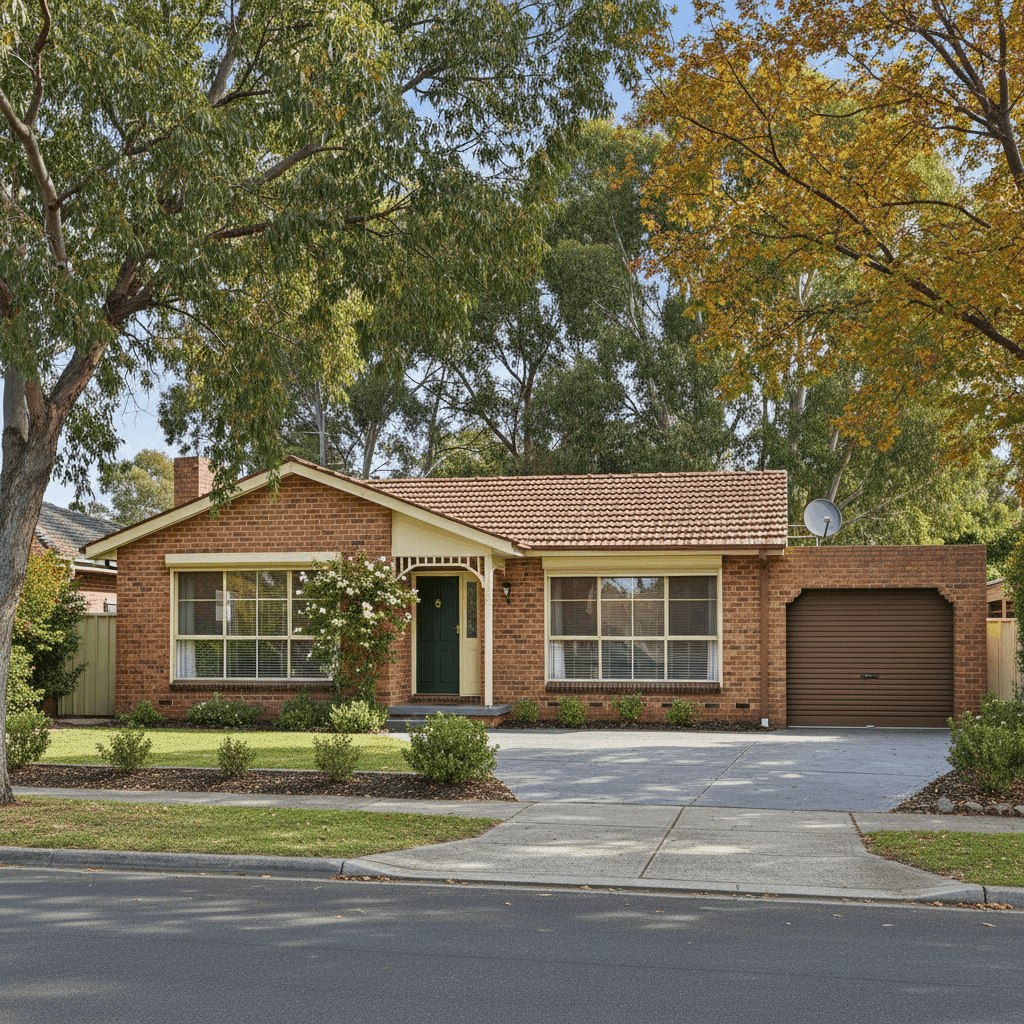
Dingley Village is a well-established suburban pocket in Melbourne's south-east, known for its quiet streets, leafy blocks, and a mix of classic brick homes built across several decades. For owners of a free standing home in this area, understanding what a fair home insurance premium looks like — and how to benchmark it — can mean the difference between overpaying and getting genuine value. This article breaks down a real home and contents insurance quote for a 4-bedroom, 2-bathroom brick veneer property in Dingley Village (postcode 3172), and puts the numbers into context against local, state, and national data.
---
Is This Quote Fair?
The annual premium for this property came in at $1,469 per year (or $152 per month), covering both building (sum insured: $654,000) and contents (valued at $60,000). Based on CoverClub's pricing data, this quote is rated CHEAP — meaning it sits well below the average for comparable properties in the area.
To put that in perspective: the suburb average for Dingley Village sits at $2,034 per year, and the median is $2,068. Even the cheapest quarter of quotes in the suburb (the 25th percentile) comes in at $1,763 — still nearly $300 more than this quote. That's a meaningful saving, and suggests the insurer has priced this property favourably, likely reflecting the low-risk profile of the home and its location.
Of course, it's worth noting the excess structure: the building excess is $3,000, which is on the higher side, while the contents excess is a more modest $500. A higher building excess is one common way insurers offer lower upfront premiums, so it's worth factoring in what you'd actually pay out of pocket if you needed to make a claim.
---
How Dingley Village Compares
Dingley Village's insurance data tells an interesting story when you zoom out to the broader market.
| Benchmark | Annual Premium |
|---|---|
| This quote | $1,469 |
| Dingley Village average | $2,034 |
| Dingley Village median | $2,068 |
| Dingley Village 25th percentile | $1,763 |
| Kingston LGA average | $3,103 |
| VIC state average | $3,000 |
| VIC state median | $2,718 |
| National average | $5,347 |
| National median | $2,764 |
Across Victoria as a whole, the average home insurance premium runs to $3,000 per year — more than double what this quote came in at. And when you look at national figures, the contrast becomes even starker: the national average of $5,347 is largely driven up by high-risk regions in Queensland, Western Australia, and the Northern Territory, where cyclone, flood, and storm risk pushes premiums to eye-watering levels.
Dingley Village benefits from its position in Melbourne's south-east — away from bushfire-prone zones, not in a cyclone risk area, and with generally stable ground conditions. These geographic factors help keep local premiums relatively contained compared to much of the country.
It's worth noting that the suburb sample size here is 26 quotes, which gives a reasonable but not exhaustive picture of the local market. Premiums can vary considerably depending on the specific insurer, the level of cover chosen, and individual property features.
---
Property Features That Affect Your Premium
Several characteristics of this property work in favour of a competitive premium:
Brick Veneer Construction Brick veneer is one of the most common wall types in Melbourne's suburban housing stock, and insurers generally view it favourably. It offers solid fire resistance compared to timber weatherboard, and is less susceptible to wind damage than some lighter cladding materials. This tends to translate into lower building premiums.
Tiled Roof Concrete or terracotta tiles are durable and long-lasting, and represent a lower risk profile than older materials like asbestos cement sheeting or ageing Colorbond. A well-maintained tiled roof on a 1995-built home is generally considered a positive factor by underwriters.
Slab Foundation A concrete slab foundation is standard for homes of this era in Victoria and is generally viewed as stable and low-risk, particularly in areas without significant soil movement or flood exposure.
Construction Year: 1995 At around 30 years old, this home is past the point where it would attract a "new build" premium discount, but it's also not old enough to raise concerns about aging infrastructure. Homes from the mid-1990s were built under reasonably modern building codes, which works in their favour from an insurer's perspective.
Ducted Climate Control The presence of ducted heating and cooling is worth noting. While it adds to the replacement value of the home (and is factored into the sum insured), it can also introduce a minor risk factor around electrical faults or maintenance issues. Keeping the system serviced annually is good practice both for safety and for maintaining your policy obligations.
No Pool, No Solar Panels Both of these features can add complexity and cost to a home insurance policy. The absence of a pool removes a liability risk, and no solar panels means there's no need to account for panel replacement or inverter coverage. These omissions likely contribute to the competitive premium.
---
Tips for Homeowners in Dingley Village
1. Review your sum insured regularly Building costs have risen sharply in recent years. The $654,000 sum insured on this policy should reflect the full cost of rebuilding the home from scratch — not the market value of the property. If you haven't reviewed this figure recently, it's worth checking against a building cost calculator or speaking with a quantity surveyor to avoid being underinsured.
2. Understand your excess before you claim The $3,000 building excess on this policy is relatively high. Before accepting any policy with a large excess, consider whether you could comfortably cover that amount in the event of a significant claim. If not, it may be worth paying a slightly higher premium in exchange for a lower excess.
3. Don't let your policy auto-renew without comparing Even if you're on a great rate now, insurers regularly adjust their pricing at renewal. It takes only a few minutes to compare quotes through CoverClub and confirm you're still getting the best deal available in the market.
4. Check what's included in your contents cover At $60,000, the contents sum insured should reflect the genuine replacement cost of everything inside your home — furniture, appliances, clothing, electronics, and more. Many households underestimate this figure. Consider doing a room-by-room inventory to make sure you're adequately covered.
---
Compare Your Own Quote
Whether you're a long-time Dingley Village resident or you've recently moved into the area, it pays to make sure your home insurance is working as hard as you are. The quote analysed here is a strong example of what's available in this suburb — but your circumstances may be different, and the right policy for you depends on your specific property, risk tolerance, and budget.
Get a personalised home insurance quote at CoverClub and see how your premium stacks up against the suburb, state, and national benchmarks. It's free, fast, and gives you the data you need to make a confident decision.