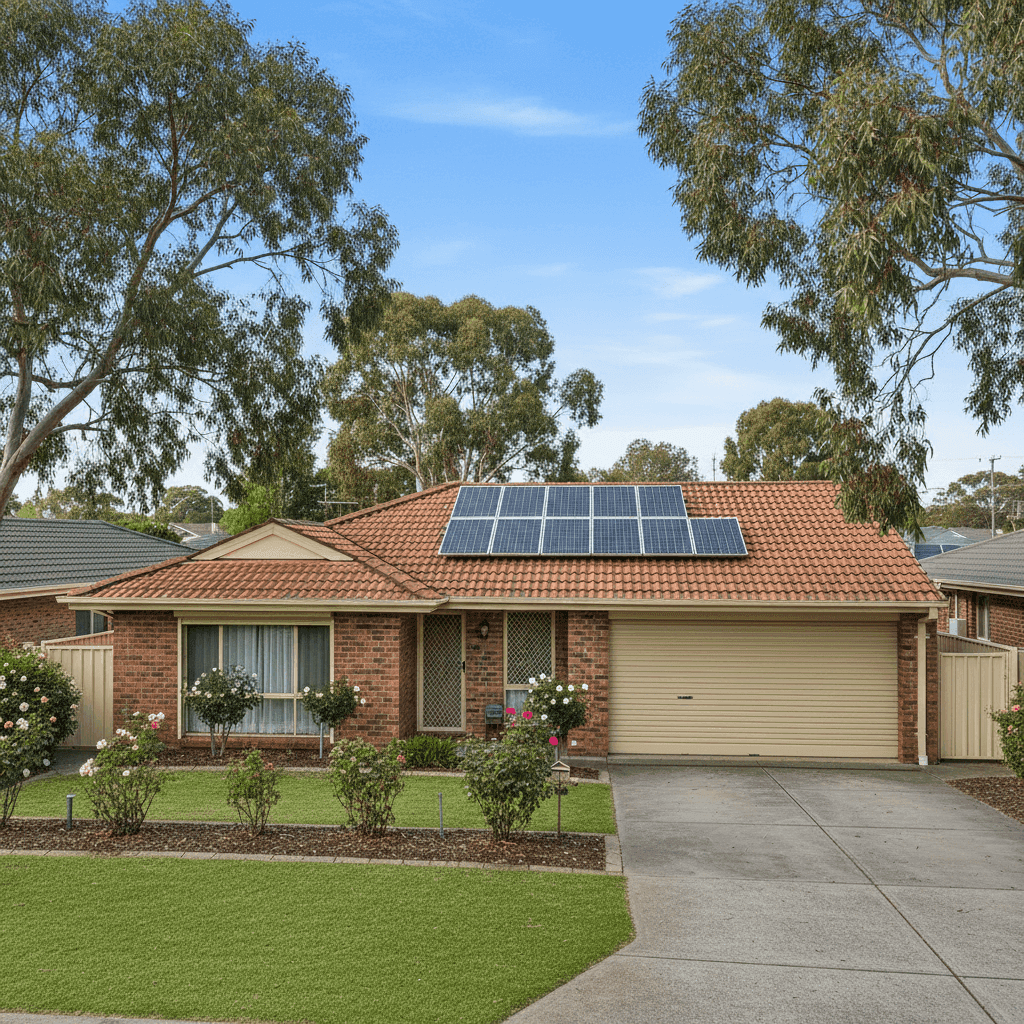
Dingley Village is a well-established suburb in Melbourne's south-east, known for its quiet streets, leafy blocks, and family-friendly atmosphere. For owners of free standing homes in this pocket of Kingston, understanding what drives your home insurance premium — and whether you're paying a fair price — can make a real difference to your household budget. This article breaks down a real home and contents insurance quote for a four-bedroom property in Dingley Village, compares it against local, state, and national benchmarks, and offers practical tips to help you get better value.
---
Is This Quote Fair?
The quote in question comes in at $2,785 per year (or $273 per month) for combined home and contents cover, with a building sum insured of $802,000 and contents valued at $200,000. Both the building and contents excess are set at $1,000.
Based on our pricing data, this quote is rated Expensive — above average for the Dingley Village area. The suburb average sits at $2,034 per year, and the median is $2,068 per year, meaning this quote is roughly $750 above the local average — a gap of around 37%.
That said, context matters. The sum insured here is substantial at $802,000 for the building alone, which reflects the replacement cost of a 214 sqm home with quality fittings. A higher insured value naturally pushes the premium up. The contents cover of $200,000 also adds meaningfully to the total cost. If either figure has been set conservatively or generously, it's worth revisiting those estimates to make sure they're accurate — over-insuring can be just as costly as under-insuring is risky.
---
How Dingley Village Compares
To put this quote in perspective, here's how Dingley Village stacks up against broader benchmarks:
| Benchmark | Annual Premium |
|---|---|
| This quote | $2,785 |
| Suburb average (Dingley Village) | $2,034 |
| Suburb median | $2,068 |
| Suburb 25th percentile | $1,763 |
| Suburb 75th percentile | $2,203 |
| LGA average (Kingston, Vic.) | $3,103 |
| VIC state average | $3,000 |
| VIC state median | $2,718 |
| National average | $5,347 |
| National median | $2,764 |
A few things stand out here. While the quote is above the Dingley Village suburb average, it actually sits below the VIC state average of $3,000 and is broadly in line with the national median of $2,764. This tells us that Dingley Village is generally a lower-risk, more affordable suburb to insure compared to many parts of Victoria — which makes sense given its low flood risk, stable soil conditions, and absence of cyclone exposure.
The LGA average for Kingston is $3,103, which suggests that some neighbouring areas within the same council boundary attract higher premiums. This quote, while expensive relative to the immediate suburb, is not out of line with the broader Kingston area.
You can explore more local data on the Dingley Village insurance stats page, compare it against all of Victoria, or view national home insurance trends.
---
Property Features That Affect Your Premium
Every property is different, and insurers weigh up a range of physical characteristics when calculating your premium. Here's how the features of this particular home come into play:
Brick Veneer Walls Brick veneer is one of the most common external wall types in Melbourne's suburbs, and insurers generally view it favourably. It offers solid fire resistance and durability, which can help moderate your premium compared to timber-clad or weatherboard homes.
Tiled Roof Terracotta or concrete tiles are a standard roofing choice for homes of this era and are considered low-to-moderate risk by most insurers. They perform well in most weather conditions, though they can be more expensive to repair than Colorbond if damaged by hail or falling debris.
Slab Foundation A concrete slab foundation is typical for homes built in the 1990s in Victoria. It provides stability and is generally viewed as low risk, though it can be more susceptible to movement in areas with reactive clay soils — something worth keeping in mind in parts of Melbourne's south-east.
Timber and Laminate Flooring The inclusion of timber and laminate flooring can increase the contents and building replacement value, which may contribute to a higher sum insured and, in turn, a higher premium.
Solar Panels This property has solar panels installed, which are typically covered under building insurance but do add to the overall replacement cost. Some insurers treat solar systems as a separate item, so it's worth confirming your policy explicitly covers them — including inverters and mounting hardware.
Ducted Climate Control Ducted heating and cooling systems are a fixed building fixture and are generally included in the building sum insured. Like solar panels, they add to the overall replacement cost of the home.
Construction Year: 1994 At around 30 years old, this home sits in a moderate age bracket. It's old enough that some systems (plumbing, electrical) may be approaching the end of their service life, but recent enough to have been built to reasonably modern standards. Some insurers apply loading for older homes, particularly those approaching or exceeding 40 years.
---
Tips for Homeowners in Dingley Village
1. Review your sum insured annually Building costs in Melbourne have risen significantly over recent years. Make sure your $802,000 building sum insured reflects current construction costs — not what it cost to build in 1994. Use an independent building cost calculator or ask a quantity surveyor to verify the figure. Being underinsured at claim time can leave you significantly out of pocket.
2. Shop around at renewal Loyalty doesn't always pay with home insurance. Insurers frequently offer better rates to new customers, so it's worth comparing quotes each year before your policy renews. Even a small saving of a few hundred dollars per year adds up over time.
3. Check your solar panel coverage Confirm with your insurer that your solar panel system — including the inverter — is explicitly listed under your building cover. Some policies have exclusions or sub-limits for solar, and given the cost of replacement systems, a gap in cover here could be costly.
4. Consider bundling or adjusting your excess If $2,785 feels steep, one lever you can pull is increasing your excess. Moving from a $1,000 excess to $2,000 or higher can reduce your annual premium meaningfully. Just make sure you're comfortable covering that amount out of pocket if you need to make a claim.
---
Compare and Save with CoverClub
Whether you're renewing your existing policy or shopping for cover for the first time, it pays to compare. CoverClub makes it easy to see what home and contents insurance costs for properties like yours in Dingley Village — and across Australia. Get a personalised quote today and find out if you could be paying less.