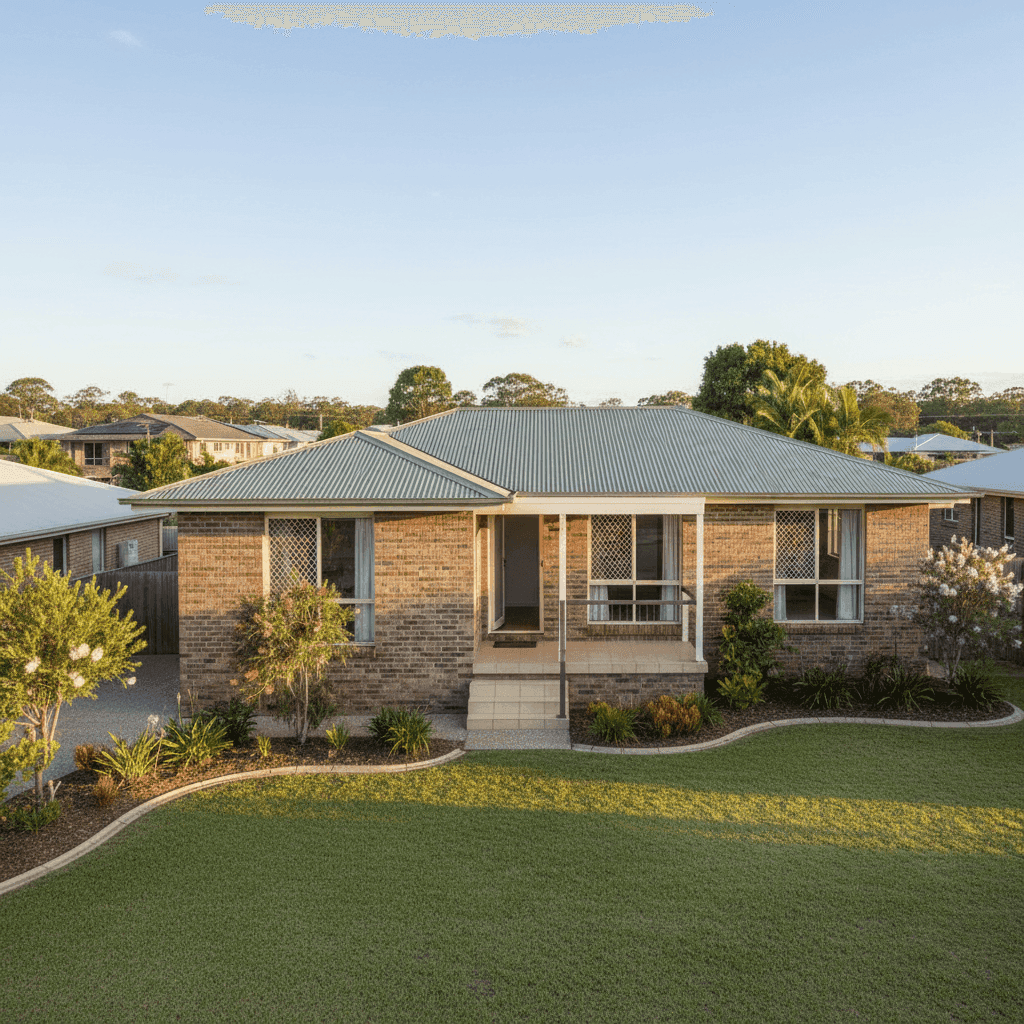
Nestled in the Mackay region of Queensland, Dittmer (postcode 4800) is a suburb that sits firmly within one of Australia's more challenging home insurance markets. If you own a free standing home here, understanding what drives your premium — and whether you're getting a fair deal — can save you hundreds of dollars a year. This article breaks down a real quote for a 2-bedroom, 1-bathroom free standing home in Dittmer and puts the numbers in context.
---
Is This Quote Fair?
The quote in question comes in at $3,288 per year (or $322/month) for combined home and contents cover, with a building sum insured of $550,000 and contents valued at $25,000. The building excess is $3,000 and the contents excess is $1,000.
Based on CoverClub's pricing data, this quote is rated CHEAP — meaning it sits below the average for the area. That's genuinely good news for the homeowner. In a region like Mackay, where cyclone risk, humidity, and storm exposure push premiums well above the national norm, landing a below-average quote is a meaningful financial win.
To put it plainly: this homeowner appears to be getting solid value. The coverage levels are reasonable, and the annual cost is competitive relative to what most comparable properties in the region attract.
---
How Dittmer Compares
The numbers tell a compelling story when you line them up side by side:
| Benchmark | Annual Premium |
|---|---|
| This Quote | $3,288 |
| Mackay LGA Average | $5,218 |
| QLD State Average | $4,547 |
| QLD State Median | $3,931 |
| National Average | $2,965 |
| National Median | $2,716 |
A few things stand out here. First, the Mackay LGA average of $5,218 is remarkably high — nearly double the national median. This reflects the region's elevated exposure to tropical weather events, particularly cyclones and storm surge. Homeowners in Mackay pay a significant loading compared to their counterparts in southern states.
Second, this particular quote at $3,288 is $1,930 below the Mackay LGA average — a substantial saving. It also sits below the Queensland state average and median, which is notable given the property's location in a designated cyclone risk area.
That said, it's worth acknowledging that this quote is above the national average and median, which is expected for a Queensland property in a tropical region. Homeowners in Victoria, South Australia, or New South Wales without significant flood or bushfire exposure will generally attract lower premiums.
For a deeper look at how premiums in this postcode trend over time, visit the Dittmer suburb stats page. You can also explore Queensland-wide insurance data or national benchmarks to broaden your comparison.
---
Property Features That Affect Your Premium
Every property tells a story through its features, and insurers read that story carefully when calculating risk. Here's how the key characteristics of this home likely influence its premium:
Cyclone Risk Zone
This is the single biggest factor. Dittmer falls within a designated cyclone risk area, which automatically applies a significant loading to premiums across all insurers. The Mackay region has historically experienced severe tropical cyclones, and insurers price that risk accordingly.
Construction Era (1976)
Homes built in the mid-1970s predate many modern building codes and cyclone-resistant construction standards that were introduced following Cyclone Tracy in 1974. While this home may have been retrofitted or maintained to a good standard, its age can still influence how insurers assess structural resilience.
Brick Veneer Walls & Colorbond Roof
Brick veneer is generally viewed favourably by insurers — it offers solid fire resistance and durability. A steel/Colorbond roof is also a practical choice in Queensland's climate, being resistant to corrosion and relatively lightweight. Together, these materials present a reasonably low-risk construction profile.
Slab Foundation & Tile Flooring
A concrete slab foundation is standard and stable, reducing concerns about subsidence or underfloor damage. Tile flooring is similarly resilient — easy to replace and resistant to water damage, which matters in a high-rainfall region.
Elevated (Less Than 1 Metre)
The property is slightly elevated, which can provide modest protection against surface water ingress during heavy rain events. However, at less than 1 metre, it offers limited defence against significant flooding compared to a fully raised Queenslander.
Standard Fittings, No Pool or Solar
Standard fittings keep replacement costs predictable and don't attract the premium loadings associated with high-end fixtures. The absence of a pool or solar panels also removes two common sources of additional risk and cost.
---
Tips for Homeowners in Dittmer
Whether you're reviewing an existing policy or shopping for a new one, these practical steps can help you manage your insurance costs without compromising on protection.
1. Cyclone-Proof Your Home to Reduce Risk
Insurers reward properties that are harder to damage. Consider investing in cyclone-rated garage doors, reinforced roof tie-downs, and impact-resistant windows or shutters. Some insurers offer discounts for properties that meet or exceed cyclone construction standards — and the upgrades can pay for themselves in reduced premiums over time.
2. Review Your Sum Insured Regularly
Building costs have risen sharply in recent years. Make sure your $550,000 sum insured accurately reflects what it would cost to rebuild your home at today's labour and material prices — not what it cost five years ago. Underinsurance is a serious risk, particularly after a catastrophic weather event when demand for builders surges.
3. Consider Your Excess Strategically
This policy carries a $3,000 building excess. A higher excess typically lowers your annual premium, but you need to be confident you can cover that amount out of pocket in the event of a claim. If cash flow is a concern, it may be worth comparing quotes with a lower excess to find the right balance.
4. Shop the Market Every Year
The fact that this quote came in well below the Mackay LGA average is a good reminder that premiums vary significantly between insurers — even for identical properties. Don't auto-renew without comparing. The market changes, and loyalty doesn't always pay in insurance.
---
Ready to Compare?
Whether you're a first-time buyer or a long-term homeowner in Dittmer, it pays to know what the market looks like. CoverClub makes it easy to compare home and contents quotes from multiple insurers in one place — so you can see whether your current premium is competitive or whether there's a better deal waiting. Get a quote today at CoverClub and find out where you stand.