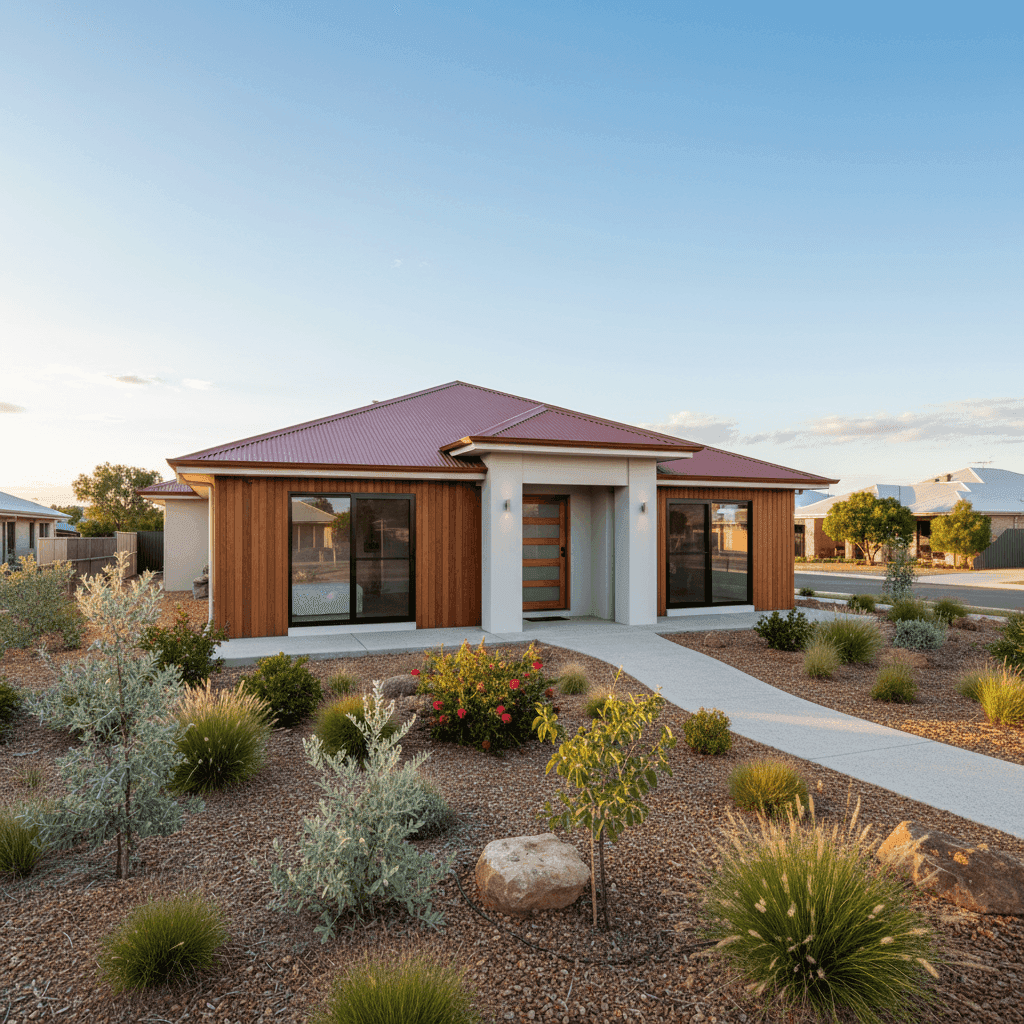
If you own a free standing home in Djugun, WA 6725 — a suburb on the outskirts of Broome in the West Kimberley — you've probably noticed that home insurance doesn't come cheap. This article breaks down a real home and contents insurance quote for a four-bedroom, two-bathroom property in the area, compares it against suburb, state and national benchmarks, and offers practical guidance for homeowners looking to make sense of their premiums.
---
Is This Quote Fair?
The quote in question comes to $8,206 per year (or $780 per month) for combined home and contents cover, with a building sum insured of $981,000 and contents valued at $50,000. Both the building and contents excess sit at $1,000.
Our price rating for this quote is EXPENSIVE — above average for the Djugun area.
To put that in context: the suburb average annual premium sits at $6,990, and the median is $7,159. This quote lands well above both figures, and even clears the 75th percentile of $7,444 — meaning it's pricier than at least three-quarters of comparable quotes in the postcode. That's a meaningful gap, and worth investigating before simply accepting the renewal.
It's worth noting, however, that the building sum insured of $981,000 is a significant figure. Rebuild costs in regional WA — particularly in remote areas like Broome and Djugun — are considerably higher than in metropolitan centres due to freight, labour, and logistical constraints. If your insurer has calculated a high replacement value, that alone can push premiums upward. Always verify your sum insured reflects a realistic rebuild cost, not just the market value of the property.
---
How Djugun Compares
The numbers tell an interesting story when you zoom out. Djugun's suburb average of $6,990/yr is already dramatically higher than the WA state average of $2,811/yr and the national average of $5,347/yr.
| Benchmark | Annual Premium |
|---|---|
| This Quote | $8,206 |
| Djugun Suburb Average | $6,990 |
| Djugun Suburb Median | $7,159 |
| Derby-West Kimberley LGA Average | $7,494 |
| WA State Average | $2,811 |
| National Average | $5,347 |
The gap between Djugun and the WA state average is striking — locals are paying roughly 2.5 times more than the average Western Australian homeowner. Compared to the national average, premiums in this postcode run about 31% higher. This isn't a quirk of one insurer; it reflects the genuine risk profile of the region, which we'll explore below.
It's also worth flagging that the suburb sample size here is five quotes, so the local averages should be treated as indicative rather than definitive. As more data flows in, these figures will become more robust.
---
Property Features That Affect Your Premium
Several characteristics of this property have a direct bearing on what insurers charge.
Cyclone Risk Zone
This is the single biggest factor. Djugun sits within a designated cyclone risk area, and insurers price this heavily. The Kimberley coast is regularly exposed to tropical cyclones during the wet season, and the potential for catastrophic wind and water damage means insurers load premiums significantly for properties in this region. Some insurers apply separate cyclone excesses on top of standard excesses — always read the Product Disclosure Statement carefully.
Colorbond Steel Roof
A steel/Colorbond roof is generally viewed positively by insurers. It's durable, fire-resistant, and performs well in high-wind environments compared to older tile or terracotta roofing. In a cyclone-prone area, this is a genuine asset and may help moderate what would otherwise be an even higher premium.
Slab Foundation & Tiled Flooring
A concrete slab foundation is considered low-risk by most insurers — there's no subfloor space to flood or rot, and the structure tends to be more stable in extreme weather. Tile flooring is similarly viewed as durable and low-maintenance, with no particular risk loading attached.
Construction Year (2005)
A home built in 2005 would have been constructed under post-1990s building codes that introduced significantly stronger cyclone-resistance requirements in northern Australia. This is a positive factor — newer builds in cyclone zones are generally engineered to higher wind-load standards than older homes, which insurers recognise.
Building Size & Sum Insured
At 214 sqm with a building sum insured of $981,000, the per-square-metre rebuild cost implied here is approximately $4,580/sqm. In remote northern WA, elevated construction costs are the norm, but it's worth getting an independent building valuation to confirm this figure is appropriate — over-insuring inflates premiums unnecessarily, while under-insuring can leave you badly exposed at claim time.
Standard Fittings
The property features standard quality fittings, which keeps the contents and building replacement costs more predictable. Premium fittings (stone benchtops, custom joinery, etc.) can push rebuild estimates — and therefore premiums — considerably higher.
---
Tips for Homeowners in Djugun
1. Shop around — seriously. With a quote sitting above the local 75th percentile, there's a real chance a comparable policy is available at a lower price. Use CoverClub's quote comparison tool to see multiple options side by side without the legwork.
2. Review your sum insured annually. Building costs in regional WA fluctuate, and your sum insured should reflect the actual cost to rebuild — not the purchase price or land value. An independent quantity surveyor can provide a formal replacement cost estimate, which is especially valuable for properties in remote areas where labour and freight costs are elevated.
3. Ask about cyclone-specific policy terms. Not all policies treat cyclone damage the same way. Some apply a separate, higher excess for cyclone events (sometimes 1–2% of the sum insured). Before you commit, confirm exactly what your cyclone cover entails, what the excess is, and whether there are any exclusions around storm surge or flooding.
4. Consider your contents coverage carefully. $50,000 in contents cover is on the modest side for a four-bedroom home. Do a quick audit of your furniture, appliances, electronics, clothing and valuables — many homeowners find they're underinsured on contents. At the same time, if $50,000 genuinely reflects what you own, there's no need to pay for more.
---
Ready to Compare?
Whether this quote reflects your situation or you're simply curious what else is out there, comparing policies is the smartest move you can make. Get a home insurance quote through CoverClub and see how different insurers price your specific property — it takes minutes and could save you hundreds. You can also explore Djugun suburb insurance data and WA state-wide premium trends to better understand the market before you decide.