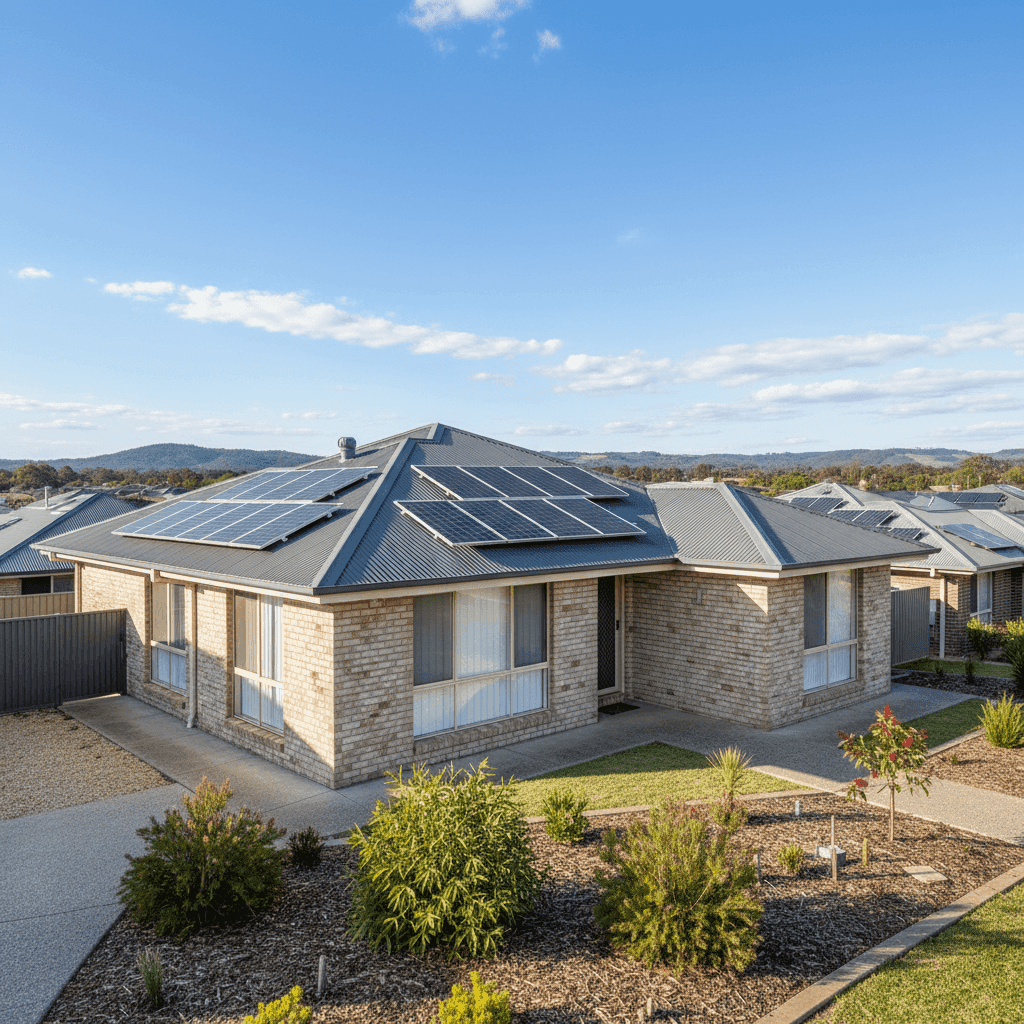
If you own a free standing home in Dondingalong, NSW 2440, you already know that finding the right building insurance can feel like navigating a maze. This article breaks down a real home insurance quote for a 3-bedroom, 1-bathroom brick veneer home in the area — and helps you understand whether that price is reasonable, inflated, or a genuine bargain.
---
Is This Quote Fair?
The quote in question comes in at $4,671 per year (or $478/month) for building-only cover, with a sum insured of $642,000 and a building excess of $3,000. Our price rating for this quote is EXPENSIVE — above average for the Dondingalong area.
To put that in perspective, the suburb average sits at $4,250/yr and the median at $4,213/yr. This quote lands above both benchmarks, and even nudges past the 75th percentile of $4,650/yr — meaning it's more expensive than roughly three-quarters of comparable quotes in the postcode. For homeowners who haven't shopped around recently, that gap is worth taking seriously.
That said, "expensive" is relative. A $421 annual difference compared to the suburb average may not sound dramatic, but over a five-year period that's over $2,000 in potential savings — money that could go toward home improvements, an emergency fund, or simply your back pocket.
---
How Dondingalong Compares
Understanding where Dondingalong sits in the broader insurance landscape is key to evaluating any quote. Here's how the numbers stack up:
| Benchmark | Premium |
|---|---|
| This Quote | $4,671/yr |
| Dondingalong Suburb Average | $4,250/yr |
| Dondingalong Suburb Median | $4,213/yr |
| Port Macquarie-Hastings LGA Average | $7,001/yr |
| NSW State Average | $9,528/yr |
| NSW State Median | $3,770/yr |
| National Average | $5,347/yr |
| National Median | $2,764/yr |
A few things stand out here. First, the Port Macquarie-Hastings LGA average of $7,001/yr is considerably higher than the Dondingalong suburb average — suggesting that some pockets within the LGA carry significantly elevated risk profiles (likely due to flood-prone or coastal areas). Dondingalong, by comparison, appears to be a more moderately priced part of the region.
Second, the NSW state average of $9,528/yr is striking — though it's worth noting that averages can be skewed by high-value properties and high-risk postcodes across the state. The NSW median of $3,770/yr is a more grounded comparison point, and this quote sits about $900 above that figure.
At the national level, this quote is below the national average of $5,347/yr but well above the national median of $2,764/yr. Nationally, premiums vary enormously depending on flood, bushfire, and cyclone exposure, so mid-range figures like these are best interpreted with local context in mind.
You can explore suburb-level data for Dondingalong at CoverClub's Dondingalong stats page, compare against the broader NSW insurance landscape, or view national home insurance benchmarks.
> Note: The suburb sample size for this comparison is 7 quotes, so while directionally useful, these figures should be treated as indicative rather than definitive.
---
Property Features That Affect Your Premium
Every home tells its own insurance story through its construction, age, and features. Here's how the characteristics of this particular property are likely influencing the quoted premium:
Brick Veneer Walls & Colorbond Roof Brick veneer is generally viewed favourably by insurers — it offers solid fire resistance and structural durability. A steel/Colorbond roof is similarly well-regarded: it's lightweight, resistant to ember attack, and low-maintenance. Together, these materials typically attract more competitive premiums than timber-clad or tiled alternatives.
Construction Year: 1986 A home built in 1986 is approaching 40 years old. While it's not considered heritage-era construction, it predates some modern building codes — particularly around waterproofing, electrical standards, and energy efficiency. Insurers may factor in the increased likelihood of ageing infrastructure when pricing the policy.
Slab Foundation A concrete slab foundation is standard and generally unproblematic from an insurance perspective, particularly in non-flood-prone areas. It offers good stability and is less susceptible to subsidence than some pier-and-beam alternatives.
Timber/Laminate Flooring Internal finishes like timber and laminate flooring can influence the contents and reinstatement cost calculations. While this is a building-only policy, the flooring type still feeds into the overall rebuild estimate.
Solar Panels The presence of solar panels adds to the insured value of the property — panels are typically covered under building insurance and can cost several thousand dollars to replace. This is a legitimate contributor to both the sum insured and the premium.
Ducted Climate Control Ducted air conditioning systems are expensive to install and repair, and their inclusion under building cover adds to the overall reinstatement cost. This is another feature that justifiably nudges the sum insured — and therefore the premium — upward.
Slightly Elevated (Less Than 1m) The property is elevated by less than one metre. While this is a modest elevation, it can provide marginal protection against surface water ingress and may be viewed slightly more favourably than a ground-level slab in terms of flood risk.
No Pool, No Cyclone Risk Zone The absence of a pool removes a common liability and maintenance risk factor. Being outside a cyclone risk zone is also a meaningful premium reducer — cyclone-prone areas in Queensland and northern WA can see dramatically higher premiums.
---
Tips for Homeowners in Dondingalong
Whether you're reviewing your current policy or shopping for the first time, these practical steps can help you get better value on your home insurance:
1. Compare at least three quotes before renewing Loyalty rarely pays in the insurance world. Insurers frequently offer better rates to new customers than to existing ones. Using a comparison tool like CoverClub to benchmark your renewal quote takes only a few minutes and could save you hundreds annually.
2. Review your sum insured carefully At $642,000, the sum insured on this policy is substantial. It's worth periodically cross-checking your building's estimated replacement cost using a construction cost calculator — over-insuring means you're paying premiums on value you'd never actually claim, while under-insuring can leave you exposed after a major event.
3. Consider a higher excess to reduce your premium This policy carries a $3,000 building excess, which is already on the higher side. If you have a solid emergency fund and are unlikely to make small claims, a higher excess can meaningfully reduce your annual premium. Just make sure the trade-off makes financial sense for your situation.
4. Ask about discounts for safety and security features Solar panels, quality construction materials, and a well-maintained property can all work in your favour when negotiating with insurers. Some providers offer discounts for smoke alarms, deadbolts, and monitored security systems — it's always worth asking what's available.
---
Ready to Find a Better Rate?
If this quote feels steep, you're not alone — and the good news is that the market is competitive. Premiums for the same property can vary by hundreds of dollars depending on the insurer, so a little comparison shopping goes a long way.
Get a home insurance quote through CoverClub to see how your current premium stacks up and whether there's a better deal waiting for you. It's free, fast, and tailored to your property's specific details.