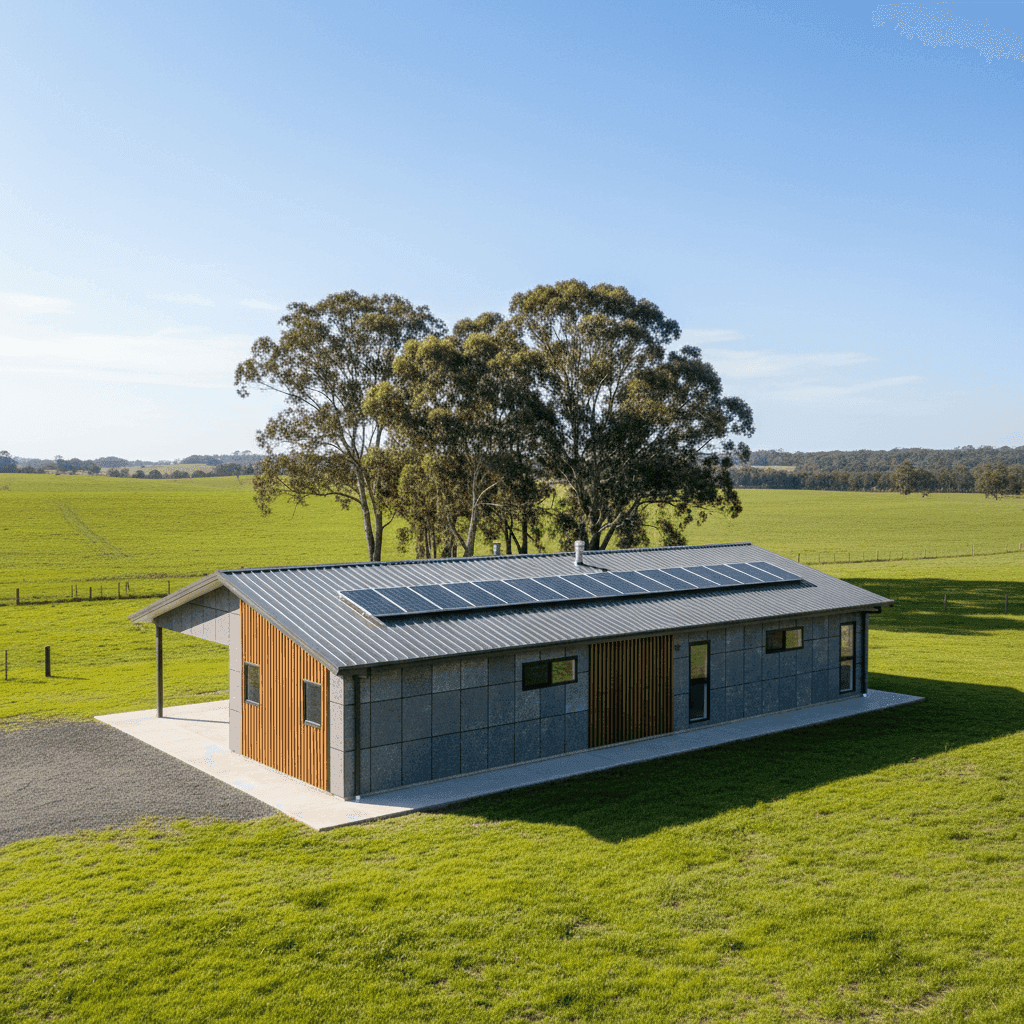
Dondingalong is a quiet rural locality in the Hastings Valley region of New South Wales, sitting within the Port Macquarie-Hastings Local Government Area (postcode 2440). It's the kind of place that attracts homeowners seeking a peaceful lifestyle away from the hustle of major cities — but as with any property in regional NSW, securing the right home insurance is an essential part of protecting your investment. This article takes a close look at a recent home and contents insurance quote for a 2-bedroom, 2-bathroom free standing home in Dondingalong, and unpacks what's driving the premium, how it stacks up against broader benchmarks, and what you can do to make sure you're not overpaying.
---
Is This Quote Fair?
The annual premium on this quote comes in at $5,612 per year (or $549/month), covering a building sum insured of $1,205,000 and contents valued at $153,000. The building excess is $2,000 and the contents excess is $600.
Based on our pricing data, this quote is rated Expensive — above average for the area. That's a meaningful signal worth paying attention to. While no single quote tells the whole story, a premium that sits above average benchmarks suggests there may be room to shop around and find more competitive pricing for equivalent cover.
It's worth noting that the building sum insured of $1,205,000 is quite high for a 130 sqm home — even a newly built one. The rebuild cost estimate used to set the sum insured can significantly influence the premium, so it's worth verifying that this figure accurately reflects current construction costs in your area rather than being over-estimated.
---
How Dondingalong Compares
Unfortunately, there isn't enough suburb-level data available to provide a specific Dondingalong average at this stage. However, we can place this quote in context using broader benchmarks:
| Benchmark | Average Premium | Median Premium |
|---|---|---|
| LGA (Port Macquarie-Hastings) | $7,001/yr | — |
| NSW State | $3,801/yr | $3,410/yr |
| National | $2,965/yr | $2,716/yr |
Viewed against the NSW state average of $3,801/yr, this quote is approximately 48% higher. Compared to the national average of $2,965/yr, it's nearly 89% above what Australians typically pay.
That said, the LGA-level picture tells a more nuanced story. The Port Macquarie-Hastings LGA average sits at $7,001/yr — considerably higher than this quote. This suggests that while the quote is above state and national norms, it may actually be relatively competitive within the local government area. Properties in this region can attract elevated premiums due to a range of environmental and geographic risk factors, which we'll explore below.
The key takeaway: don't benchmark solely against the national average. Regional context matters enormously in home insurance pricing.
---
Property Features That Affect Your Premium
Several characteristics of this property are likely influencing the premium, both upward and downward.
Newly Built Home (2025)
Being built in 2025, this is essentially a brand-new home. New builds typically benefit from modern construction standards, up-to-date electrical and plumbing systems, and compliance with current building codes — all of which can reduce the likelihood of certain claims. However, new homes often carry higher rebuild costs due to contemporary finishes and materials, which can push the sum insured — and therefore the premium — higher.
Steel/Colorbond Roof
A Colorbond steel roof is generally viewed favourably by insurers. It's durable, fire-resistant, and performs well in high-wind conditions. This is a positive factor that may help moderate the premium compared to properties with tiled or older roofing materials.
Slab Foundation
A concrete slab foundation is a solid and widely accepted construction method. It's generally considered low-risk by insurers, particularly for newer homes where the slab has been engineered to current standards.
Solar Panels
This property has solar panels installed. While solar is great for energy bills, it does add to the replacement value of the home and can introduce some complexity around coverage — particularly if panels are damaged by storms or hail. It's important to confirm with your insurer that solar panels are explicitly covered under your building policy and that the sum insured accounts for their replacement cost.
"Other" Exterior Walls and Flooring
The exterior wall material and flooring are listed as "Other," which can sometimes attract additional scrutiny from insurers if the materials fall outside standard categories. Non-standard materials may be more expensive to repair or replace, which can contribute to a higher premium. It's worth clarifying exactly what these materials are and ensuring your insurer is pricing them correctly.
High Building Sum Insured
At $1,205,000 for a 130 sqm home, the building sum insured is on the higher end. While new builds in regional NSW can be costly to reconstruct — especially given recent increases in labour and material costs — it's prudent to use a building cost calculator to verify this figure is accurate and not inflated.
---
Tips for Homeowners in Dondingalong
1. Review Your Sum Insured Carefully
The building sum insured is the single biggest lever in your premium calculation. Use an independent building cost estimator (many insurers provide these for free) to check whether $1,205,000 is a realistic rebuild figure for a 130 sqm home in this area. Over-insuring means you're paying more than necessary; under-insuring can leave you exposed at claim time.
2. Compare Multiple Quotes
Given that this quote is rated above average, it's well worth getting at least two or three competing quotes before committing. Premiums for the same property can vary by hundreds — sometimes thousands — of dollars between providers. Use CoverClub to compare quotes and find a price that better reflects your risk profile.
3. Confirm Solar Panel Coverage
Don't assume your solar panels are automatically covered. Ask your insurer directly whether panels are included under the building policy, what events are covered (e.g., storm, hail, fire), and whether the sum insured includes their full replacement value. This is a commonly overlooked gap in home insurance.
4. Consider a Higher Excess to Lower Your Premium
The current building excess of $2,000 is already moderate. If you have the financial buffer to absorb a larger out-of-pocket cost in the event of a claim, opting for a higher excess can meaningfully reduce your annual premium. Just make sure the saving justifies the additional risk you're taking on.
---
Ready to Find a Better Rate?
Whether you're a new homeowner in Dondingalong or you've been renewing the same policy for years, it pays to compare. CoverClub makes it easy to see how your current quote stacks up and explore alternatives — all in one place. Get a home insurance quote today and make sure you're getting the right cover at the right price.