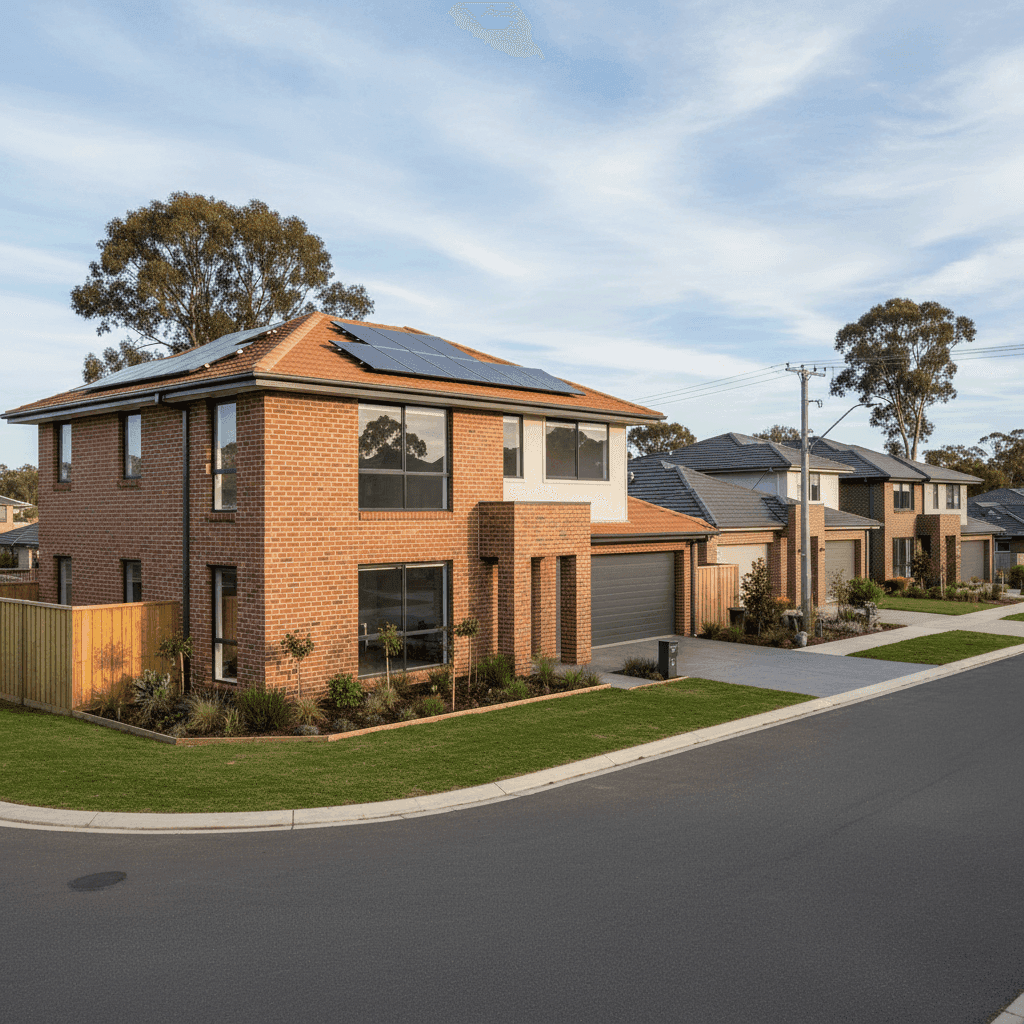
Doreen, a fast-growing suburb on Melbourne's northern fringe, has become a popular destination for families seeking modern homes with a semi-rural feel. If you own a free standing home here, understanding what you should be paying for home and contents insurance — and whether your current quote stacks up — is well worth your time. This article breaks down a real quote for a four-bedroom, two-bathroom brick veneer home in Doreen, compares it against local, state, and national benchmarks, and offers practical tips to help you get the most out of your cover.
---
Is This Quote Fair?
The quote in question comes in at $1,102 per year (or $112/month) for combined home and contents insurance, covering a building sum insured of $646,000 and contents valued at $145,000. Our pricing analysis rates this as CHEAP — below average for the area.
To put that in perspective, the suburb average for Doreen sits at $1,845/year, with a median of $1,769/year across 115 quotes in our dataset. This quote lands well below even the 25th percentile of $1,385/year — meaning it's cheaper than at least 75% of comparable quotes we've seen for properties in this postcode.
That's a meaningful saving. At $743 less than the suburb average annually, a homeowner on this policy would save enough over five years to cover a decent emergency fund or a significant home improvement project.
It's worth noting that the building excess is set at $3,000 (higher than typical), and the contents excess at $1,000. A higher excess is one of the most common levers insurers use to reduce premiums, so this trade-off should be factored into your assessment. If you ever need to make a claim, you'll be covering more out of pocket before the insurer steps in — particularly on the building side.
---
How Doreen Compares
Zooming out beyond the suburb tells an even more striking story. Here's how this quote sits across different benchmarks:
| Benchmark | Average Premium |
|---|---|
| This Quote | $1,102/yr |
| Doreen (suburb avg) | $1,845/yr |
| Doreen (suburb median) | $1,769/yr |
| Victoria (state avg) | $2,921/yr |
| Victoria (state median) | $2,694/yr |
| National average | $2,965/yr |
| National median | $2,716/yr |
| Nillumbik LGA average | $4,494/yr |
You can explore the full breakdown of Doreen insurance statistics, compare across all of Victoria, or see how it measures up against national home insurance data.
One figure that stands out is the Nillumbik LGA average of $4,494/year — more than four times this quote. Nillumbik encompasses a range of suburbs with significantly elevated bushfire risk, and insurers price that risk heavily into premiums across the entire local government area. Doreen's 3754 postcode sits at the southern edge of the LGA, which likely contributes to a more favourable risk profile compared to more heavily wooded parts of Nillumbik.
Even compared to the Victorian state average of $2,921/year, this quote represents a saving of over $1,800 annually — a significant difference that underscores just how competitive this particular premium is.
---
Property Features That Affect Your Premium
Several characteristics of this property work in favour of a lower premium, while a couple introduce factors worth understanding.
Brick veneer construction with a tiled roof is generally viewed favourably by insurers. Brick veneer offers solid fire resistance and structural durability compared to lightweight cladding, and tiled roofs are considered more resilient than corrugated iron in many risk assessments. Together, these materials help keep premiums lower.
Slab foundation is standard for modern construction in Victoria and presents minimal risk of subsidence or movement compared to older pier-and-beam foundations — another tick in the low-risk column.
Built in 2015, this is a relatively modern home, which means it was constructed under more recent building codes. Newer builds tend to have better fire safety features, updated wiring, and more resilient plumbing — all factors that reduce the likelihood of a claim.
Solar panels are worth flagging. While they don't dramatically increase premiums, they do add to the replacement value of the home and can occasionally complicate roofing claims. It's important to confirm with your insurer that your solar system is explicitly covered under your building policy, as some policies treat it as a grey area.
Ducted climate control is a significant fixture that adds to the home's value and replacement cost. At 214 sqm with four bedrooms and standard fittings, the $646,000 building sum insured appears reasonable for a modern home of this size in Melbourne's outer north, though it's always worth reviewing your sum insured annually as construction costs rise.
The absence of a pool removes one source of liability risk that can nudge premiums upward, and the property is not in a designated cyclone risk area — both contributing to the competitive rate.
---
Tips for Homeowners in Doreen
1. Review your building sum insured every year Construction costs in Victoria have risen significantly in recent years. The cost to rebuild your home from scratch — not its market value — should be the basis of your sum insured. Underinsurance is one of the most common and costly mistakes homeowners make. Use a building cost calculator or speak with a quantity surveyor if you're unsure.
2. Understand your excess before you claim With a $3,000 building excess on this policy, smaller claims may not be worth lodging — especially when you factor in the potential impact on future premiums. It's good practice to know your excess thresholds and maintain a separate emergency fund to cover minor repairs without touching your policy.
3. Check your solar panel coverage explicitly If you have solar panels (as this property does), ask your insurer directly whether they're covered under the building policy, and for how much. Some policies include them automatically; others require an endorsement. Given the cost of a full solar system, this is not a detail to leave to assumption.
4. Don't set and forget — compare at renewal The fact that this quote is well below the suburb average is a reminder that premiums vary enormously between insurers for the same property. Loyalty doesn't always pay in insurance. Each year at renewal, it's worth getting at least two or three competing quotes to ensure you're still getting a fair deal.
---
Compare Your Own Quote
Whether you're a Doreen local or elsewhere in Victoria, the best way to know if you're paying a fair price is to compare. CoverClub makes it easy to benchmark your current premium against real quotes for properties like yours. Get a quote today and see how your home insurance stacks up — you might be surprised by how much you could save.