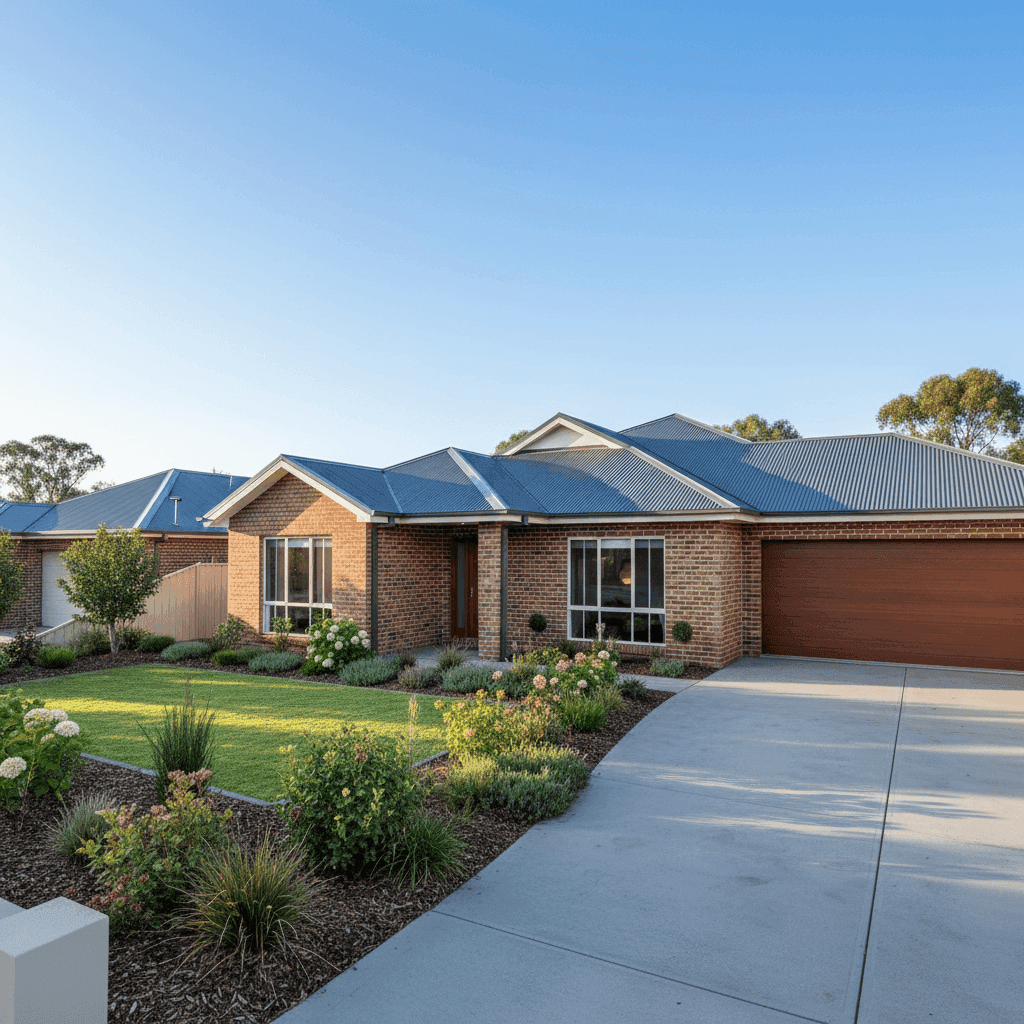
If you own a free standing home in Doreen, VIC 3754, you're likely no stranger to the challenge of finding competitive home insurance. Doreen is a fast-growing outer-northern suburb of Melbourne, sitting within the Nillumbik local government area — a region characterised by its semi-rural character, bushland surrounds, and a mix of established and newer residential properties. All of these factors play into what insurers ultimately charge you.
This article breaks down a real home and contents insurance quote for a five-bedroom, three-bathroom free standing home in Doreen, helping you understand whether the price stacks up — and what you can do about it if it doesn't.
---
Is This Quote Fair?
The quote in question comes in at $2,617 per year (or $253 per month) for combined home and contents cover, with a building sum insured of $950,000 and contents valued at $200,000. Both the building and contents excess are set at $2,000.
Our assessment: this quote is rated Expensive — Above Average.
To put that in context, the suburb average for Doreen sits at $1,710 per year, with a median of $1,632. This quote is roughly 53% above the suburb median — a significant gap that's worth investigating before accepting the premium at face value.
That said, "above average" doesn't automatically mean "wrong." A larger-than-typical home (286 sqm, five bedrooms, three bathrooms) with a high building sum insured of $950,000 will naturally attract a higher premium than a more modest property. The contents cover of $200,000 also adds meaningfully to the overall cost. So while the price is elevated relative to the suburb norm, some of that gap is explained by the size and value of the asset being insured.
The key question is whether there's still room to find a better deal — and based on the data, there very likely is.
---
How Doreen Compares
Understanding where your premium sits within the broader market is one of the most useful tools a homeowner has. Here's how the Doreen quote compares across different benchmarks, based on data from 130 quotes in the suburb:
| Benchmark | Annual Premium |
|---|---|
| This quote | $2,617 |
| Doreen suburb average | $1,710 |
| Doreen suburb median | $1,632 |
| Doreen 25th percentile | $1,261 |
| Doreen 75th percentile | $2,080 |
| Nillumbik LGA average | $3,693 |
| VIC state average | $3,000 |
| VIC state median | $2,718 |
| National average | $5,347 |
| National median | $2,764 |
A few things stand out here. First, this quote — while expensive relative to Doreen — is actually below both the Victorian state average and the national median. That's a useful reminder that Doreen is, in relative terms, a reasonably affordable suburb to insure compared to many parts of Australia.
Second, the Nillumbik LGA average of $3,693 is notably higher than the Doreen suburb average. This reflects the elevated bushfire risk present in parts of Nillumbik, particularly in more heavily treed areas closer to the Yarra Ranges. Doreen itself sits on the lower-risk fringe of the LGA, which likely explains why its suburb-level premiums are more moderate.
For a national perspective, home insurance costs across Australia vary enormously — from cyclone-prone Queensland coastal towns to flood-affected river communities in NSW. Doreen's premiums, even at the higher end of the local range, remain well below the national average.
---
Property Features That Affect Your Premium
Several characteristics of this property will be influencing the quoted premium — some pushing it up, others keeping it in check.
Building size and sum insured: At 286 sqm with a rebuild value of $950,000, this is a substantial home. Larger homes cost more to rebuild, and insurers price accordingly. The $950,000 building sum insured is a significant figure that will be one of the primary drivers of the premium.
Construction year (1975): Homes built in the mid-1970s can present higher risk profiles for insurers. Older properties may have ageing plumbing, electrical systems, or structural elements that increase the likelihood of a claim. This is worth keeping in mind if you haven't recently updated key systems.
Brick veneer walls and Colorbond roof: These are generally viewed favourably by insurers. Brick veneer offers solid fire resistance and structural durability, while steel/Colorbond roofing is resilient against wind and weather events. These materials can help moderate your premium compared to timber-framed or tile-roofed alternatives.
Stump foundation: Homes on stumps can be more vulnerable to subsidence, pest damage, and structural movement over time — factors that some insurers may price into their risk assessment.
Ducted climate control: The presence of ducted heating and cooling adds to the overall replacement value of the home's fixtures and fittings, which can marginally increase the building sum insured required and, by extension, the premium.
No pool, no solar panels: Both of these features can add complexity and cost to an insurance policy. Their absence here is a modest premium-saving factor.
Tile flooring: Tiles are generally considered low-risk from an insurance perspective — durable and resistant to water damage compared to carpet or timber.
---
Tips for Homeowners in Doreen
1. Shop around — seriously. The gap between this quote and the suburb median suggests there's real money to be saved by comparing insurers. Different providers assess risk differently, and a property that one insurer views as high-risk may be priced more competitively by another. Use CoverClub to compare quotes side by side.
2. Review your sum insured carefully. At $950,000, the building sum insured is substantial. Make sure it reflects the actual cost to rebuild your home — not its market value. Overinsuring can mean you're paying a higher premium than necessary, while underinsuring leaves you exposed. A quantity surveyor can provide an accurate rebuild estimate.
3. Consider your excess level. Both the building and contents excess are set at $2,000. Opting for a higher voluntary excess can reduce your annual premium, which may be worthwhile if you have a strong claims history and a financial buffer to cover the excess if needed.
4. Maintain the property proactively. Given the home's 1975 construction, staying on top of maintenance — particularly plumbing, electrical, and the stump foundation — can reduce the likelihood of a claim and may help you negotiate better renewal terms over time. Some insurers also offer discounts for homes with updated electrical or plumbing systems.
---
Compare Your Options with CoverClub
Whether this quote is the right one for you depends on your specific circumstances — but the data suggests it's worth taking the time to compare. At CoverClub, you can quickly see how your home insurance quote stacks up against real data from your suburb, your state, and across Australia. It takes just a few minutes and could save you hundreds of dollars a year.