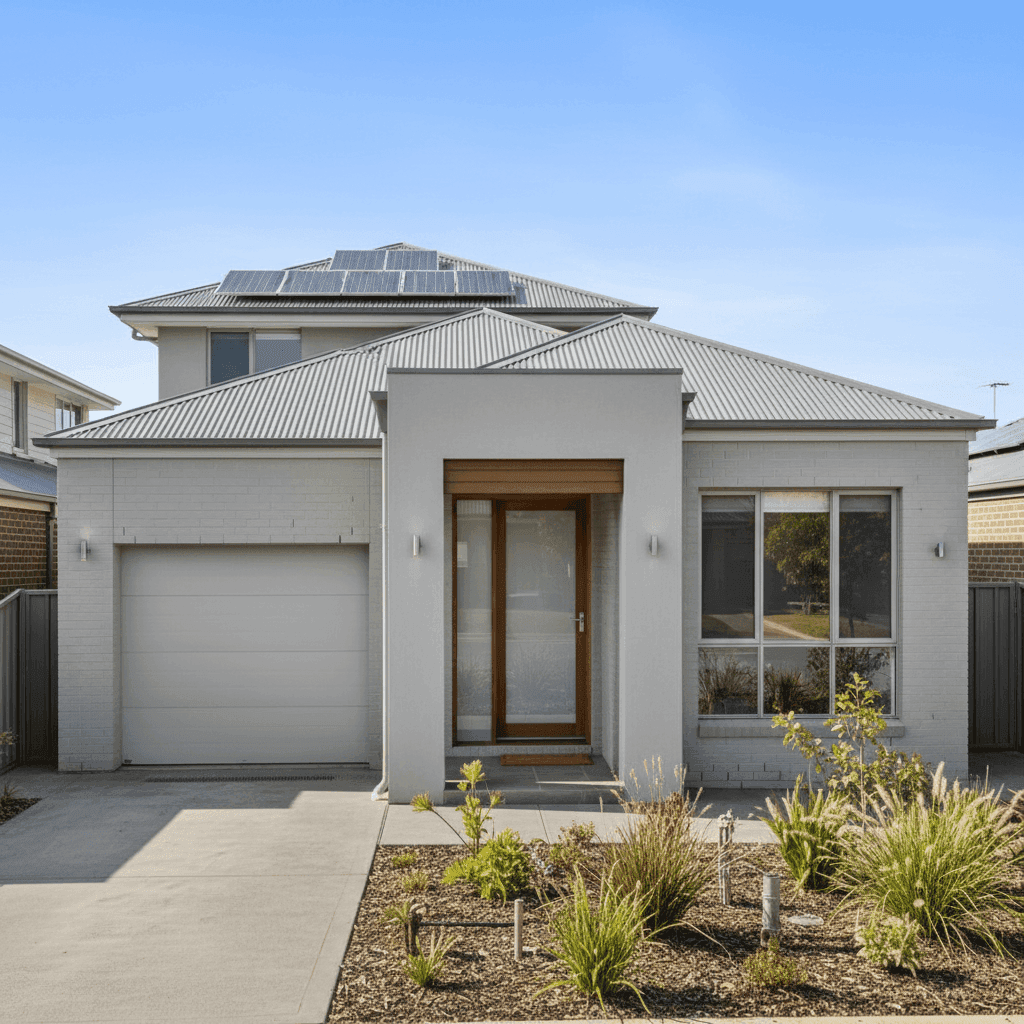
Doubleview is a well-established suburb sitting just 10 kilometres north of the Perth CBD, known for its leafy streets, proximity to Scarborough Beach, and a solid mix of classic and contemporary homes. This analysis looks at a home and contents insurance quote for a three-bedroom, two-bathroom semi detached property in the area — breaking down whether the premium is competitive, what local and national benchmarks tell us, and how the property's features play into the final price.
---
Is This Quote Fair?
The annual premium for this property comes in at $1,221 per year (or $117 per month), covering a building sum insured of $479,000 and $50,000 in contents — with a $2,000 excess on both building and contents claims.
Our pricing engine has rated this quote as Fair — Around Average, which is a reasonable outcome for a property of this type and construction. It sits comfortably below the suburb average of $1,568/yr and the suburb median of $1,650/yr, meaning this homeowner is paying less than most of their neighbours for comparable cover. At the same time, it's above the suburb's 25th percentile of $947/yr, so there is still room to find a cheaper premium if price is the primary concern.
In plain terms: this isn't a bargain-basement quote, but it's not overpriced either. For a semi detached home with solid construction, solar panels, and ducted climate control, landing below the local average is a positive sign.
---
How Doubleview Compares
To put this quote in proper context, it helps to zoom out and look at the broader pricing landscape.
| Benchmark | Premium |
|---|---|
| This quote | $1,221/yr |
| Doubleview suburb average | $1,568/yr |
| Doubleview suburb median | $1,650/yr |
| Doubleview 25th percentile | $947/yr |
| Doubleview 75th percentile | $2,126/yr |
| LGA (City of Stirling) average | $1,660/yr |
| WA state average | $2,811/yr |
| WA state median | $2,127/yr |
| National average | $5,347/yr |
| National median | $2,764/yr |
(Suburb data based on 16 quotes collected for the Doubleview 6018 postcode.)
The numbers tell an interesting story. This quote is 22% below the Doubleview suburb average and sits well under the City of Stirling LGA average of $1,660/yr. Compared to the WA state average of $2,811/yr, the premium looks even more attractive — roughly 57% cheaper. And against the national average of $5,347/yr, it's a fraction of the cost.
Of course, averages can be skewed by high-value properties, flood-prone areas, or homes with elevated risk profiles. The more meaningful comparison is the median — and even there, this quote comes in below Doubleview's median of $1,650/yr and well under WA's state median of $2,127/yr.
You can explore the full pricing data for this postcode on the Doubleview suburb stats page.
---
Property Features That Affect Your Premium
Insurance pricing isn't arbitrary — every feature of a home feeds into the risk calculation. Here's how the key characteristics of this property likely influence its premium:
Double Brick Walls
Double brick is one of the most favoured construction types among Australian insurers. It's robust, fire-resistant, and less susceptible to storm damage than timber-framed or clad alternatives. Homes built with double brick walls typically attract lower premiums, and this property should benefit from that.
Steel / Colorbond Roof
Colorbond roofing is extremely common across Western Australia and is well-regarded by insurers. It's durable, lightweight, and performs well in high-wind conditions. It's also non-combustible, which reduces fire risk — another tick in the premium-reduction column.
Concrete Slab Foundation
A slab foundation offers stability and reduces the risk of subsidence-related claims. In Perth's sandy coastal soils, slab construction is the norm and generally viewed favourably by underwriters.
Construction Year: 2009
A home built in 2009 benefits from being constructed under relatively modern building codes, which include improved standards for structural integrity and energy efficiency. It's not so old that significant wear and tear is expected, but it's also past the point where new-build premiums apply.
Solar Panels
Solar panels are an increasingly common feature in Perth homes, given the city's exceptional sunshine hours. However, they do add to the replacement cost of a property. The $479,000 building sum insured should account for the cost of reinstating the panels in the event of a total loss — it's worth confirming this with your insurer.
Ducted Climate Control
Ducted air conditioning systems are a significant fixed asset. Like solar panels, they contribute to the overall replacement value of the home. Ensuring your sum insured reflects the cost of reinstating these systems is important to avoid being underinsured.
Timber / Laminate Flooring
Timber and laminate floors are more susceptible to water damage than tiles, which can influence claims costs. That said, they're a standard feature in many Perth homes and don't dramatically shift the premium on their own.
---
Tips for Homeowners in Doubleview
1. Review your sum insured annually Building costs have risen significantly in recent years across Western Australia. The $479,000 sum insured on this property should be revisited each year to ensure it reflects current construction costs — not the figure set when you first took out the policy. Underinsurance is one of the most common and costly mistakes homeowners make.
2. Check that your solar panels and ducted system are covered Some policies treat solar panels and ducted air conditioning as standard inclusions; others require you to specify them or increase your sum insured to cover them. Read your Product Disclosure Statement (PDS) carefully and ask your insurer directly if you're unsure.
3. Consider whether your excess is working for you This policy carries a $2,000 excess on both building and contents. A higher excess typically lowers your premium, but it also means more out-of-pocket cost when you do make a claim. If cash flow is a concern, weigh up whether a lower excess — and slightly higher premium — makes more sense for your situation.
4. Compare quotes at renewal time Even a "fair" quote can be beaten. The spread between the 25th percentile ($947/yr) and 75th percentile ($2,126/yr) in Doubleview is substantial, which means different insurers are pricing this suburb very differently. Shopping around at renewal — rather than auto-renewing — could save hundreds of dollars per year.
---
Compare Your Own Quote
Whether you're buying, renewing, or just curious about what you should be paying, CoverClub makes it easy to see how your premium stacks up. Get a home insurance quote in minutes and compare it against real data from your suburb, your state, and across Australia. No jargon, no pressure — just clear, useful information to help you make a confident decision.