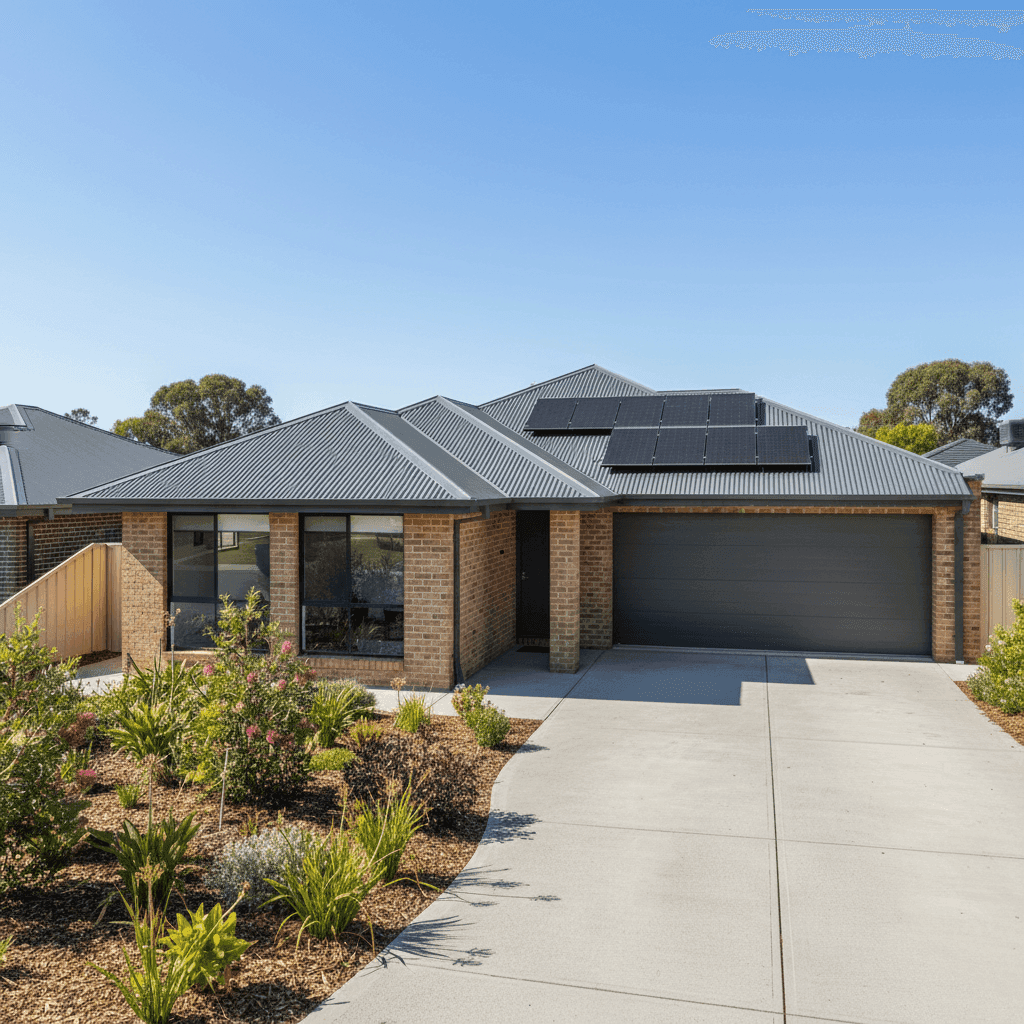
If you own a free standing home in Downer, ACT 2602, you're probably curious whether you're getting a fair deal on your home insurance. Downer is a well-established inner-north Canberra suburb, popular with families and professionals alike — and like most of the ACT, it has its own distinct insurance risk profile. In this article, we analyse a real home and contents insurance quote for a four-bedroom, two-bathroom brick veneer home in Downer, and put it under the microscope against local, state, and national benchmarks.
---
Is This Quote Fair?
The quote in question comes in at $2,269 per year (or roughly $227 per month) for combined home and contents cover, with a building sum insured of $997,000 and contents valued at $245,000. Both the building and contents excess are set at $1,000 each.
Our price rating for this quote is FAIR — Around Average, and the data backs that up. The quote sits comfortably within the middle range of what Downer homeowners are currently paying, neither a standout bargain nor an obvious overpayment. Given the above-average fittings quality and the relatively generous sum insured figures, landing near the suburb average is a reasonable outcome.
That said, "fair" doesn't mean you can't do better. There's always value in understanding exactly where your premium sits and what's driving it — which is what the rest of this article is here to help with.
---
How Downer Compares
Here's how the $2,269 annual premium stacks up against the broader market:
| Benchmark | Premium |
|---|---|
| This quote | $2,269/yr |
| Downer suburb average | $2,014/yr |
| Downer suburb median | $1,869/yr |
| Downer 25th percentile | $1,559/yr |
| Downer 75th percentile | $2,493/yr |
| ACT state average | $2,288/yr |
| ACT state median | $2,186/yr |
| National average | $5,347/yr |
| National median | $2,764/yr |
| LGA (Unincorporated ACT) average | $2,172/yr |
(Based on a sample of 30 quotes in the Downer area. View full [Downer suburb insurance stats](https://coverclub.com.au/stats/ACT/2602/downer).)
A few things stand out here. At $2,269, this quote is slightly above the Downer suburb average ($2,014) and median ($1,869), but it falls well within the suburb's interquartile range — meaning it's in line with what a typical Downer homeowner with a similar property profile might expect to pay. It also comes in just under the ACT state average of $2,288, which is a positive sign.
The most striking figure is the national average of $5,347. This dramatically higher number reflects the outsized insurance costs faced by homeowners in high-risk regions — particularly cyclone-prone areas of Queensland and Western Australia, and bushfire-affected parts of New South Wales and Victoria. Canberra, by contrast, benefits from relatively stable risk conditions, which keeps premiums more manageable for most ACT residents.
---
Property Features That Affect Your Premium
Insurance underwriters don't just look at your postcode — they assess a detailed picture of your home's construction, size, and features. Here's how the key characteristics of this Downer property influence the premium:
Brick Veneer Walls & Colorbond Roof
Brick veneer is one of the most common wall types in Canberra and is generally viewed favourably by insurers. It offers solid fire resistance and structural durability. Paired with a steel Colorbond roof — which is lightweight, corrosion-resistant, and performs well in hail events — this combination typically attracts more competitive premiums than, say, timber-framed weatherboard homes.
Concrete Slab Foundation
A slab-on-ground foundation is considered low risk for subsidence and moisture-related damage, which is another tick in the insurer's column. Canberra's relatively stable soil conditions further reduce this risk.
Construction Year (2012)
Homes built after 2010 generally benefit from modern building codes, which mandate improved fire safety, structural integrity, and energy efficiency standards. A 2012 build is recent enough to reflect these improvements, which can positively influence pricing.
Above-Average Fittings Quality
This is one of the more significant premium drivers in this quote. Above-average fittings — think stone benchtops, quality appliances, and premium fixtures — increase the cost to rebuild or repair, which naturally pushes the sum insured (and therefore the premium) higher. The $997,000 building sum insured reflects this.
Solar Panels
This property includes solar panels, which add replacement value to the building. Solar systems can be damaged by hail, storms, or fire, and their inclusion in the building sum insured is an important consideration. Make sure your policy explicitly covers solar panels as part of the building — not all policies treat them the same way.
Ducted Climate Control
Ducted heating and cooling systems are a meaningful asset, and their repair or replacement can be costly. These are typically covered under building insurance, but it's worth confirming the specifics with your insurer.
No Pool, No Cyclone Risk
The absence of a swimming pool removes a liability and maintenance-related risk factor. And being located in the ACT, this property is outside any designated cyclone risk zone — a significant factor in keeping premiums lower than many other parts of Australia.
---
Tips for Homeowners in Downer
Whether you're reviewing an existing policy or shopping around for the first time, here are four practical tips tailored to Downer homeowners:
- Review your building sum insured annually. Construction costs have risen significantly in recent years. A sum insured that was accurate two years ago may now be insufficient to cover a full rebuild. Use a building cost calculator or speak with a quantity surveyor to ensure you're not underinsured.
- Confirm solar panel coverage explicitly. Ask your insurer whether your solar panels are included in the building sum insured, and whether they're covered for accidental damage, storm damage, and power surge. Don't assume — get it in writing.
- Consider your excess strategically. A $1,000 excess on both building and contents is fairly standard, but increasing your excess can meaningfully reduce your annual premium. If you have a solid emergency fund, a higher excess may be a smart trade-off.
- Compare quotes before renewal. Insurers often reserve their best pricing for new customers. If you've been with the same provider for several years without reviewing the market, there's a good chance you're paying more than you need to. Even if your current quote is rated "fair," comparing alternatives could reveal a better deal.
---
Ready to Compare?
Understanding your quote is the first step — but comparing it against the market is where the real savings happen. CoverClub makes it easy to see how your home insurance stacks up and to explore alternatives side by side. Get a home insurance quote today and find out if you could be paying less for the same level of cover.