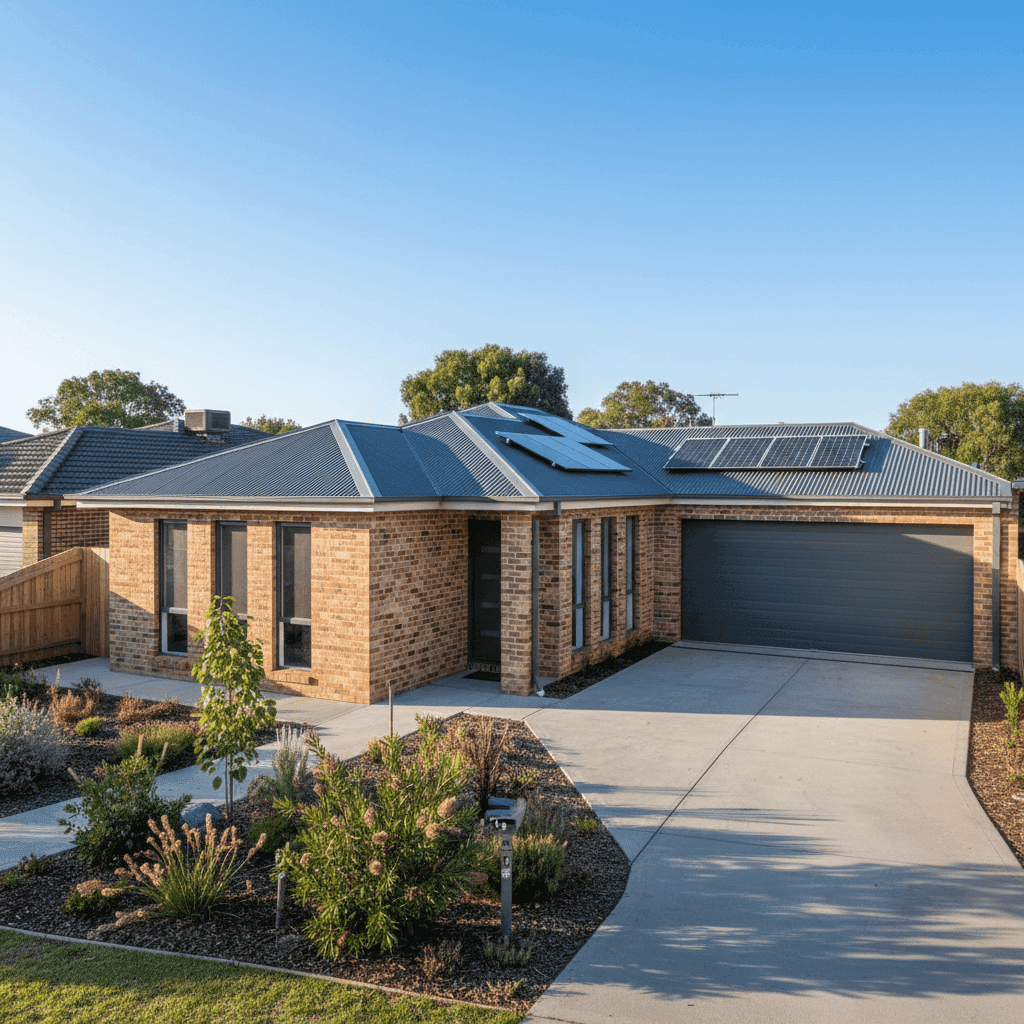
Downer is a quiet, established suburb sitting just a few kilometres north of Canberra's CBD, popular with families and professionals drawn to its leafy streets and proximity to amenities. If you own a free standing home here, understanding what you should be paying for home and contents insurance — and whether your current quote stacks up — can make a meaningful difference to your household budget. This article breaks down a real insurance quote for a four-bedroom, two-bathroom home in Downer (ACT 2602) and puts the numbers in context.
---
Is This Quote Fair?
The short answer: yes — and then some. This quote comes in at $1,666 per year (or around $163 per month), which earns a "Cheap" rating, meaning it sits well below the average for comparable properties in the area.
To put that in perspective, the suburb average for Downer sits at $2,375 per year, with a median of $2,399. That means this quote is roughly $709 cheaper than the average — a saving of nearly 30%. Even against the cheapest quarter of quotes in the suburb (the 25th percentile at $2,155/yr), this policy still comes out ahead.
For a property insured at $856,000 for the building and $250,000 for contents, this is a strong outcome. The building excess is set at $3,000 and the contents excess at $1,000 — slightly higher excesses, which is one common lever insurers use to reduce premiums. That trade-off is worth keeping in mind: a lower annual cost means you'd contribute more out of pocket if you ever needed to make a claim.
Overall though, this quote represents genuine value for a well-specified Canberra home.
---
How Downer Compares
Downer sits in a relatively favourable position when it comes to insurance pricing, both within the ACT and nationally. Here's how the numbers line up:
| Benchmark | Annual Premium |
|---|---|
| This Quote | $1,666 |
| Downer Suburb Average | $2,375 |
| Downer Suburb Median | $2,399 |
| ACT State Average | $2,203 |
| ACT State Median | $2,112 |
| National Average | $2,965 |
| National Median | $2,716 |
| LGA (Unincorporated ACT) Average | $2,172 |
Compared to the ACT state average of $2,203, this quote is around $537 cheaper. Zoom out further and the gap widens considerably — nationally, the average home and contents premium sits at $2,965, meaning this Downer homeowner is paying nearly $1,300 less than the typical Australian.
This reflects a broader pattern in Canberra: the ACT tends to have lower insurance premiums than many other parts of Australia, partly because the territory faces fewer extreme weather risks — no cyclones, relatively low bushfire exposure in established suburbs, and limited flood risk in most areas. You can explore suburb-level insurance data for Downer (2602) here.
It's worth noting that the suburb sample for Downer includes 23 quotes, which gives a reasonable basis for comparison — though as with any market, individual quotes can vary significantly based on insurer, policy features, and property specifics.
---
Property Features That Affect Your Premium
Not all homes are priced the same, and insurers look closely at construction details when calculating risk. Here's how the features of this particular property likely influence its premium:
Brick Veneer Walls Brick veneer is one of the most common external wall types in Canberra's residential suburbs, and insurers generally view it favourably. It offers solid fire resistance and durability, which can help keep premiums in check compared to timber-framed or clad exteriors.
Steel/Colorbond Roof A Colorbond steel roof is another tick in the "low risk" column. These roofs are lightweight, non-combustible, and highly resistant to the kind of wind and hail damage that drives up claims costs. They're also low-maintenance, which appeals to insurers.
Slab Foundation A concrete slab foundation is standard for homes built in the 2000s and 2010s, and it presents minimal risk of subsidence or structural movement compared to older stumped or pier-and-beam foundations.
Built in 2012 At around 13 years old, this home sits in a sweet spot for insurers — new enough that the major systems (plumbing, electrical, roofing) are in good condition, but old enough that any early construction defects would have surfaced. Newer builds tend to attract lower premiums than older homes.
Solar Panels Solar panels add value to a property but also introduce a small amount of additional risk — they need to be insured as part of the building sum, and damage from storms or hail is a legitimate concern. Make sure your building sum insured accounts for the replacement cost of the system.
Ducted Climate Control Ducted heating and cooling systems are standard in ACT homes given Canberra's cold winters and warm summers. These systems are expensive to repair or replace, so it's important your building sum insured reflects their full replacement value.
Above Average Fittings With above-average quality fittings throughout — think stone benchtops, quality appliances, and premium fixtures — the $856,000 building sum insured and $250,000 contents figure are important to get right. Underinsurance is a real risk when a home has been finished to a higher standard.
No Pool The absence of a pool removes one common source of liability risk and claim complexity, which can modestly reduce premiums.
---
Tips for Homeowners in Downer
1. Review your sum insured annually Building costs in Canberra have risen steadily in recent years. The cost to rebuild your home — not its market value — is what matters for insurance. With above-average fittings and a 244 sqm footprint, it's worth getting a professional building replacement cost estimate every couple of years to avoid being underinsured.
2. Consider your excess carefully This policy carries a $3,000 building excess. That's on the higher end, and while it contributes to the lower premium, it means a significant out-of-pocket cost if you need to claim. Think about what you could comfortably afford to pay in the event of storm damage or a burst pipe — and adjust your excess accordingly.
3. Check your contents coverage $250,000 in contents cover is a substantial figure, but it's easy to underestimate the value of everything in your home. Do a room-by-room stocktake periodically, and don't forget to include outdoor furniture, tools, bikes, and electronics. If you've made significant purchases since you last updated your policy, it's time for a review.
4. Compare quotes at renewal Even if you're happy with your current insurer, the insurance market shifts from year to year. Premiums can creep up at renewal without much fanfare. Taking 10 minutes to compare quotes before you renew is one of the simplest ways to make sure you're still getting a competitive deal.
---
Find Your Best Rate at CoverClub
Whether you're reviewing your current policy or shopping for cover on a new property, CoverClub makes it easy to compare home and contents insurance quotes across Australia. See how your premium stacks up against your neighbours — and find out if you could be paying less. Get a quote at CoverClub today and take the guesswork out of home insurance.