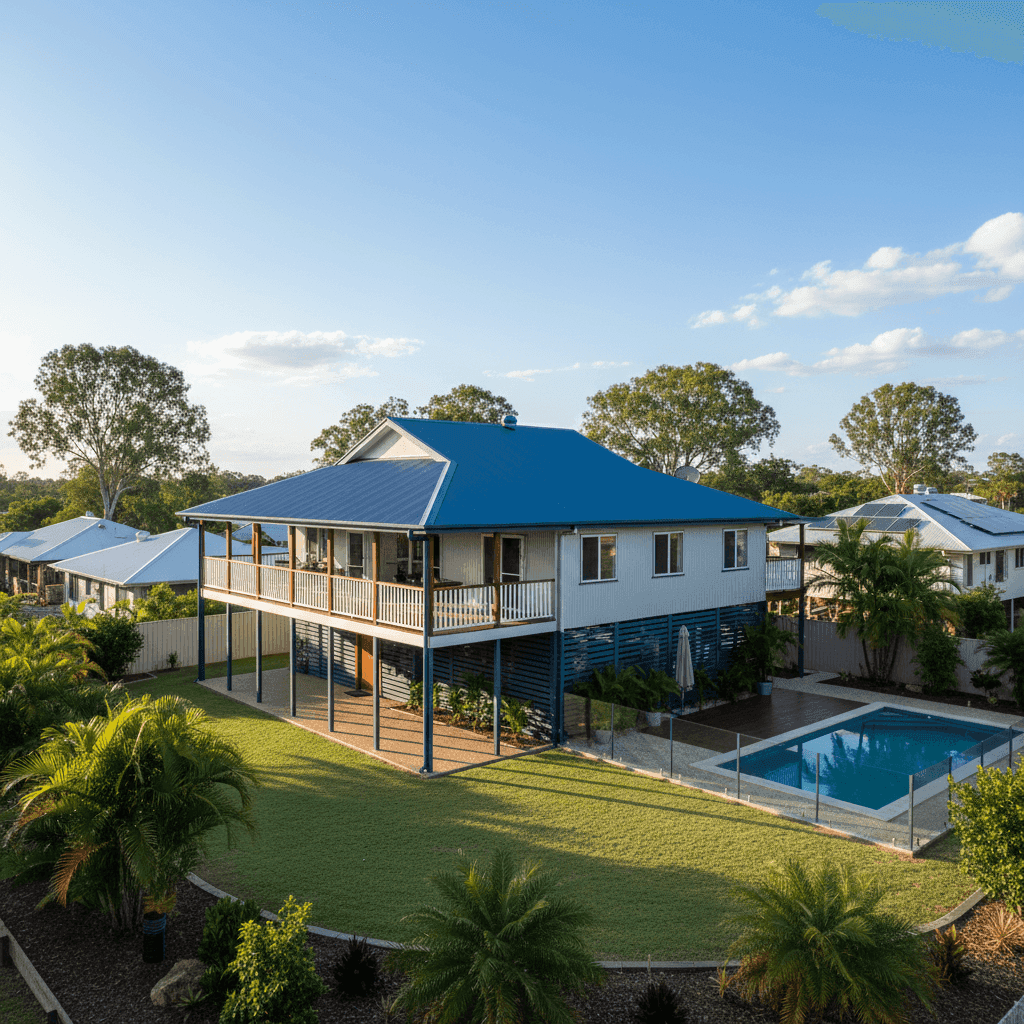
If you own a four-bedroom free standing home in Driver, NT 0830, you already know that insuring a property in the Northern Territory comes with its own set of considerations — cyclone season, tropical humidity, elevated foundations, and the sheer remoteness of the Top End. This article breaks down a real home and contents insurance quote for a property in this suburb, compares it against local, state, and national benchmarks, and offers practical advice for homeowners looking to get better value from their cover.
---
Is This Quote Fair?
The quote in question comes in at $3,915 per year (or $368/month) for combined home and contents insurance, covering a building sum insured of $753,000 and contents valued at $80,000, each with a $500 excess.
Our price rating for this quote is Expensive — above average for the suburb of Driver. Here's why that matters:
- The suburb average for Driver (NT 0830) sits at $2,336/yr, and the median is $2,287/yr
- This quote is roughly $1,579 above the suburb average — that's 68% more expensive than what other Driver homeowners are typically paying
- Even compared to the NT state average of $3,709/yr, this quote runs about $206 higher
- Against the national average of $2,965/yr, the premium is nearly $1,000 more
That said, context is everything. A higher-than-average premium doesn't automatically mean you're being overcharged — it may simply reflect the specific risk profile of this property. The combination of elevated construction, aluminium cladding, a swimming pool, and a cyclone-designated risk area can all push premiums upward. Still, a gap this wide from the suburb median warrants a closer look and, ideally, a comparison across multiple insurers.
---
How Driver Compares
Driver's suburb insurance data is based on a sample of 12 quotes, which gives us a reasonable snapshot of the local market:
| Benchmark | Annual Premium |
|---|---|
| Driver 25th percentile | $2,096/yr |
| Driver median | $2,287/yr |
| Driver average | $2,336/yr |
| Driver 75th percentile | $2,470/yr |
| This quote | $3,915/yr |
| LGA (Litchfield) average | $3,869/yr |
| NT state average | $3,709/yr |
| National average | $2,965/yr |
One thing worth noting: this quote actually sits close to the Litchfield LGA average of $3,869/yr, which suggests that at a broader geographic level — encompassing more rural and cyclone-exposed properties — this kind of premium is less unusual. The Driver suburb figures may skew lower because of varying property profiles in the sample.
You can explore NT-wide insurance data and national averages to get a fuller picture of how Top End premiums compare to the rest of Australia.
---
Property Features That Affect Your Premium
Several characteristics of this property are likely contributing to a higher-than-suburb-average premium. Understanding these can help you have more informed conversations with insurers.
Cyclone Risk Area
This is arguably the single biggest factor. Driver falls within a designated cyclone risk zone, and insurers price this in significantly. Cyclone cover in the NT typically includes a separate cyclone excess or higher base premiums to account for the elevated risk of wind, storm surge, and water damage during the wet season.
Elevated Foundation (Poles)
The home is elevated by at least one metre on pole foundations — a common and sensible design choice in tropical Australia. While elevated homes can actually perform better in flood events, insurers assess them differently to slab-on-ground homes. The construction complexity and replacement cost implications can influence the premium.
Aluminium External Walls & Colorbond Roof
Aluminium cladding and steel/Colorbond roofing are durable, low-maintenance materials well-suited to the tropical climate. However, they can affect how insurers calculate the cost to rebuild, which in turn influences the building sum insured and the premium.
Building Sum Insured: $753,000
For a 130 sqm home built in 1985, a sum insured of $753,000 is on the higher end. This figure accounts for full rebuild costs — not market value — and in the NT, labour and materials costs are significantly elevated compared to southern states. It's worth periodically reviewing this figure with a quantity surveyor or using an insurer's rebuild cost calculator to ensure you're not over- or under-insured.
Swimming Pool
A pool adds both value and liability to a property. Most insurers factor in the cost of pool structures and surrounds when calculating building cover, and some apply additional public liability considerations. It's a modest but real contributor to premium costs.
Construction Year: 1985
Older homes can attract slightly higher premiums due to the age of plumbing, electrical systems, and structural components. A home built in 1985 is approaching 40 years old — insurers may view maintenance risk differently compared to a newer build.
---
Tips for Homeowners in Driver
1. Compare Across Multiple Insurers
The most effective way to reduce your premium is to get competing quotes. Insurers assess risk differently — especially in cyclone-prone areas — so the spread of prices can be significant. Use CoverClub to compare quotes side by side and see where you stand.
2. Review Your Sum Insured Annually
Building costs in the NT have risen sharply in recent years. Make sure your $753,000 sum insured still reflects the true cost to rebuild your home — not just its market value. Being underinsured can leave you badly exposed after a major event like a cyclone.
3. Ask About Cyclone Excess Structures
Some insurers apply a separate, higher excess for cyclone-related claims. Understanding this upfront means no nasty surprises when you need to claim. Ask each insurer to clarify how cyclone events are treated under their policy.
4. Consider Your Contents Coverage Carefully
With $80,000 in contents cover, it's worth doing a room-by-room audit of your belongings. In a four-bedroom home with standard fittings, $80,000 may be appropriate — but if you've accumulated high-value electronics, furniture, or appliances, you may need more. Equally, if your contents are modest, reducing this figure could lower your premium.
---
Ready to Find a Better Deal?
A premium of $3,915/yr is worth questioning — especially when the suburb median sits nearly $1,600 lower. Whether this quote is the right fit depends on the specific policy terms, inclusions, and the insurer's claims reputation. The best next step is to compare home insurance quotes for your Driver property at CoverClub and see what the broader market has to offer. A few minutes of comparison could make a meaningful difference to what you pay each year.