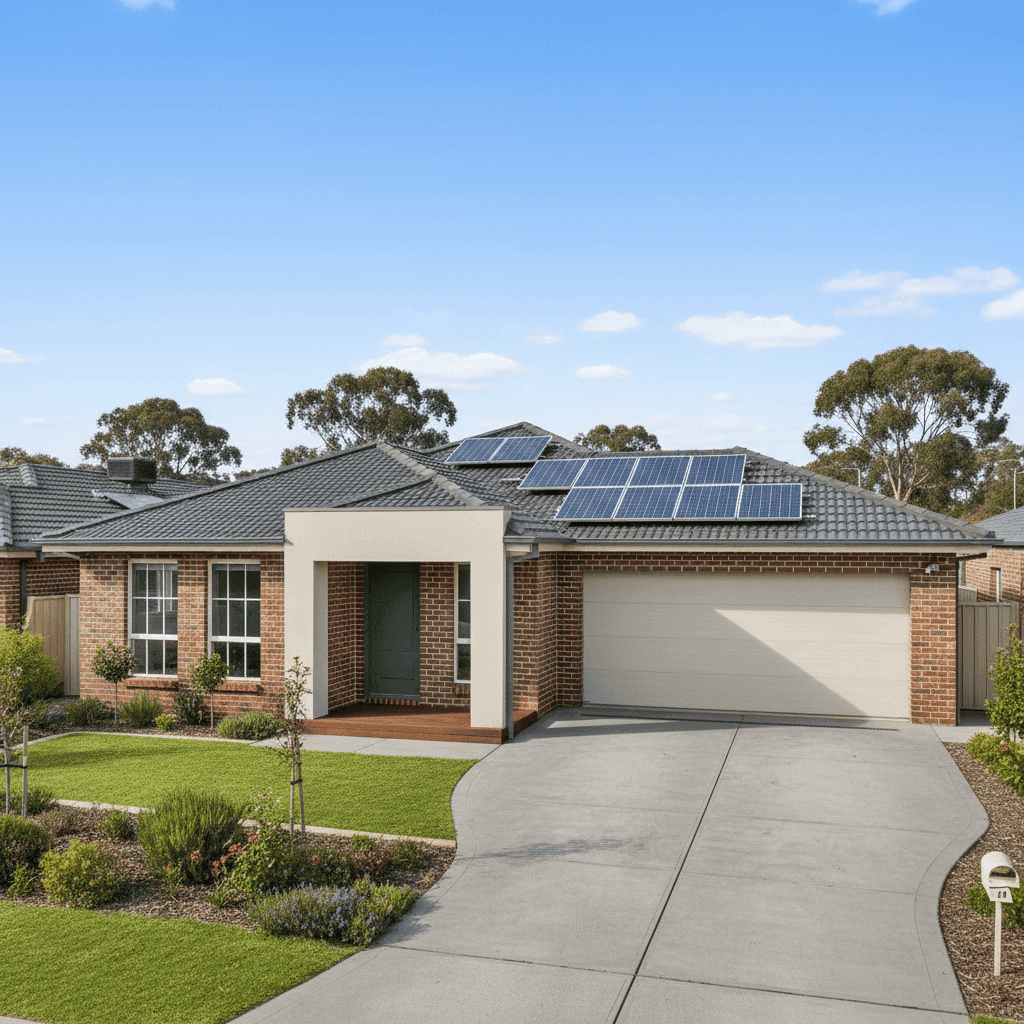
If you own a free standing home in Drouin, VIC 3818, you're probably curious about what a fair home and contents insurance premium looks like — and whether your current policy is competitive. Drouin is a growing regional town in the Baw Baw Shire, about 100 km east of Melbourne, and like many regional Victorian communities, insurance costs here can vary quite a bit depending on your property's features and the insurer you choose. This article breaks down a real quote for a 3-bedroom, 2-bathroom brick veneer home in the area, and puts it in context against local, state, and national benchmarks.
---
Is This Quote Fair?
The quote in question comes in at $1,659 per year (or around $162/month) for combined home and contents cover, with a building sum insured of $656,000 and contents valued at $117,000. The building excess is set at $2,000 and the contents excess at $600.
Our price rating for this quote is FAIR — Around Average.
That assessment holds up well when you look at the numbers. Based on data from 115 quotes collected for Drouin, the suburb's 25th percentile sits at $1,617/yr — meaning this quote is only marginally above the cheapest quarter of policies in the area. The suburb average is $2,397/yr and the median is $2,136/yr, so at $1,659, this homeowner is paying noticeably less than most of their neighbours for comparable cover.
In other words, while the rating is "around average," the actual dollar figure is closer to the lower end of the local market. That's a solid result.
---
How Drouin Compares
To really understand what this quote means, it helps to zoom out and look at the broader picture.
| Benchmark | Annual Premium |
|---|---|
| This quote | $1,659 |
| Drouin suburb average | $2,397 |
| Drouin suburb median | $2,136 |
| Baw Baw LGA average | $2,611 |
| VIC state average | $2,921 |
| VIC state median | $2,694 |
| National average | $2,965 |
| National median | $2,716 |
At $1,659, this quote sits $477 below the Drouin suburb median and a substantial $1,262 below the Victorian state average. Compared to the national average of $2,965, the saving is even more pronounced — over $1,300 per year.
For Victorian homeowners broadly, premiums have been climbing in recent years as insurers factor in increased weather-related claims, rising rebuild costs, and broader inflationary pressures. The fact that this Drouin property is coming in well under both state and national benchmarks suggests the property's risk profile and features are working in the homeowner's favour.
---
Property Features That Affect Your Premium
Several characteristics of this property are likely contributing to a more competitive premium. Here's what stands out:
Brick Veneer Walls and Tiled Roof
Brick veneer is one of the more insurer-friendly wall constructions in Australia. It's considered durable, fire-resistant, and relatively low-maintenance compared to weatherboard or cladding alternatives. Combined with a tiled roof — another material that scores well with underwriters — this property presents a lower risk profile from a structural standpoint.
Slab Foundation
A concrete slab foundation is standard for homes built in this era and region, and it generally attracts no premium loading. It's a stable, well-understood construction type that insurers are comfortable pricing.
Built in 2013
At just over a decade old, this home is relatively modern. Newer builds tend to comply with more recent building codes, which often means better structural resilience, improved fire safety features, and lower likelihood of claims related to ageing infrastructure. This can translate directly into lower premiums.
Above-Average Fittings
The property is noted as having above-average fittings quality. This is a double-edged consideration — higher-quality fixtures and finishes can increase the cost to rebuild or repair, which may push the sum insured (and therefore the premium) higher. However, when accurately reflected in the building sum insured, it ensures the homeowner is properly covered rather than underinsured.
Solar Panels
Solar panels are increasingly common on Australian rooftops, and this property is no exception. Most insurers now include solar panels under building cover, but it's worth confirming this with your provider. Panels add replacement value to the structure and can sometimes influence premiums slightly, though the effect is generally modest.
Ducted Climate Control
Ducted heating and cooling systems are a significant fixture and are typically covered under building insurance. As with solar panels, it's worth checking your policy schedule to confirm these are included in your sum insured.
No Pool, Not in a Cyclone Risk Zone
The absence of a swimming pool removes a common source of liability and maintenance-related claims. And being located in regional Victoria rather than a cyclone-prone area of northern Australia means this property avoids the significant premium loadings that apply in high-risk weather zones.
---
Tips for Homeowners in Drouin
Whether you're reviewing an existing policy or shopping for new cover, here are a few practical steps worth taking:
1. Check your sum insured annually Building costs in regional Victoria have risen sharply in recent years. A sum insured of $656,000 for a 214 sqm home built to above-average standards is worth reviewing each year to ensure it reflects current rebuild costs — not the figure you set three years ago. Underinsurance is one of the most common and costly mistakes homeowners make.
2. Understand your excess trade-off This quote carries a $2,000 building excess. A higher excess typically lowers your annual premium, but it also means more out-of-pocket costs if you need to make a claim. Make sure your chosen excess reflects what you could realistically afford in an emergency.
3. Confirm solar panels and ducted systems are covered With solar panels and ducted climate control on this property, it's essential to verify these are explicitly listed under your building cover. Some policies have specific conditions or sub-limits for these items — a quick call to your insurer can save a nasty surprise at claim time.
4. Compare quotes regularly The insurance market is competitive, and premiums can shift significantly from year to year. Even if your current quote looks fair — as this one does — it's worth running a comparison at renewal. Loyalty doesn't always pay in the insurance world, and a few minutes of research could save you hundreds of dollars annually.
---
Compare Home Insurance Quotes in Drouin
If you're a homeowner in Drouin or anywhere in the Baw Baw region, CoverClub makes it easy to see how your premium stacks up. You can explore local suburb insurance data for Drouin or get a personalised quote in minutes. With real market data drawn from hundreds of quotes across Victoria and the rest of Australia, CoverClub helps you make a more informed decision — without the guesswork.