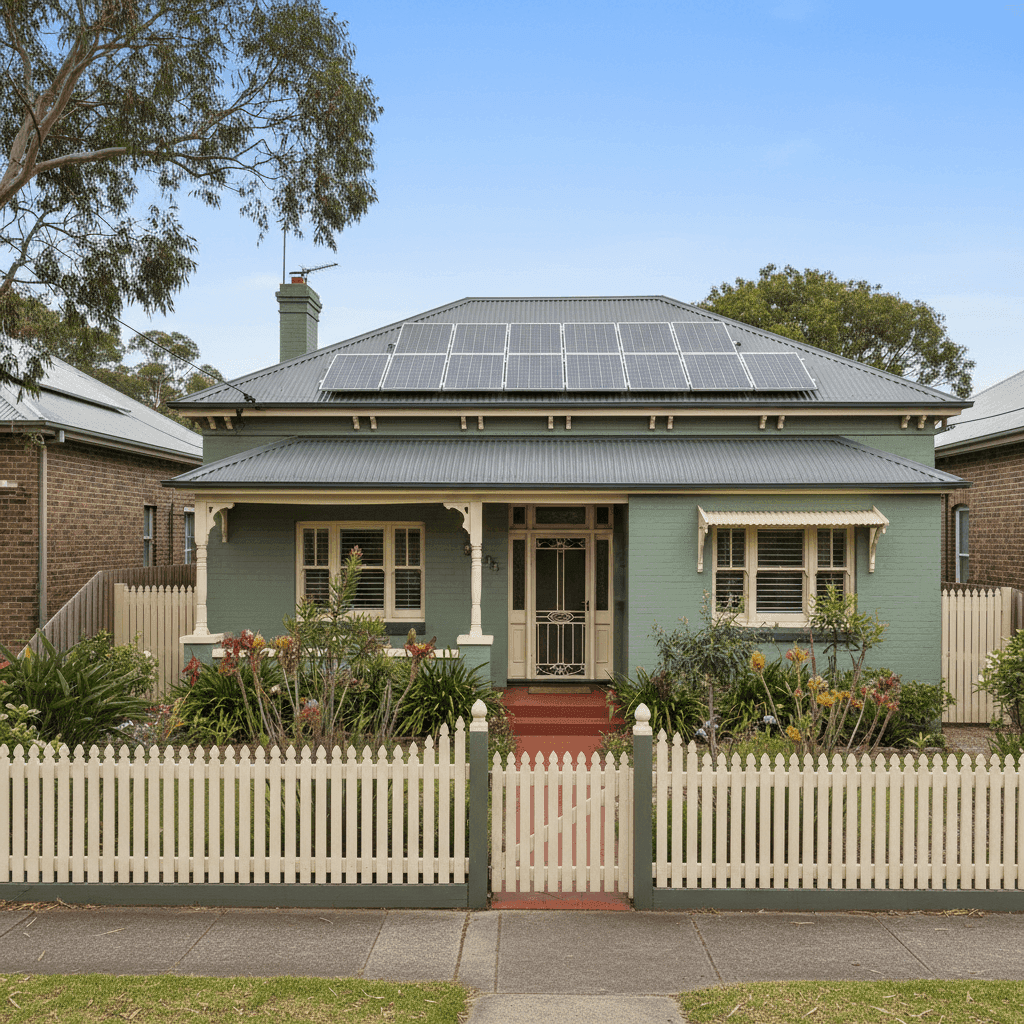
Dulwich Hill is one of Sydney's most characterful inner-west suburbs — a leafy pocket of NSW known for its federation-era streetscapes, strong community feel, and easy access to the city. If you own a free standing home here, you're sitting on a significant asset, and making sure it's properly protected is essential. This article breaks down a real home and contents insurance quote for a 4-bedroom property in Dulwich Hill (postcode 2203), analyses whether the price is fair, and offers practical tips to help you get the best value cover.
---
Is This Quote Fair?
The quote in question comes in at $1,510 per year (or $141/month) for combined home and contents insurance, covering a building sum insured of $975,000 and contents valued at $85,000. The building excess is $2,000 and the contents excess is $1,000.
Our pricing engine has rated this quote as FAIR — Around Average, and the data backs that up. The annual premium sits almost exactly on the suburb median of $1,507/yr — essentially splitting the middle of what Dulwich Hill homeowners are currently paying. It's comfortably below the suburb average of $1,857/yr, suggesting there's no cause for alarm here, but there may still be room to do better.
To put it plainly: this isn't a bargain, but it's not a rip-off either. For a well-built, double brick home of this size with a solid sum insured, landing near the median is a reasonable outcome — particularly when you factor in the solar panels and the age of the property.
---
How Dulwich Hill Compares
Understanding where your premium sits relative to broader benchmarks is one of the most useful things you can do as a homeowner. Here's how this quote stacks up:
| Benchmark | Premium |
|---|---|
| This quote | $1,510/yr |
| Dulwich Hill suburb median | $1,507/yr |
| Dulwich Hill suburb average | $1,857/yr |
| Inner West LGA average | $1,832/yr |
| NSW state average | $3,801/yr |
| NSW state median | $3,410/yr |
| National average | $2,965/yr |
| National median | $2,716/yr |
The contrast with state and national figures is striking. At $1,510/yr, this quote is less than half the NSW state average of $3,801/yr, and well below the national average of $2,965/yr. That's not a fluke — inner-west Sydney suburbs like Dulwich Hill tend to attract lower premiums than regional or coastal NSW, largely because they sit outside flood plains, cyclone zones, and bushfire-prone corridors.
Within the suburb itself, premiums range from around $1,382/yr at the 25th percentile up to $2,051/yr at the 75th percentile — a spread of roughly $670/yr. This quote lands right in the middle of that band, which is consistent with its FAIR rating.
You can explore more localised data on the Dulwich Hill suburb stats page, compare it against all NSW insurance data, or see how it measures up on the national stats overview.
---
Property Features That Affect Your Premium
Every home is different, and insurers price risk based on the specific characteristics of your property. Here's how the key features of this Dulwich Hill home likely influence the premium:
Double Brick Construction Double brick is one of the most favoured building materials from an insurance perspective. It's durable, fire-resistant, and structurally robust — qualities that reduce the likelihood of a major claim. Homes built with double brick typically attract lower premiums than those with timber or lightweight cladding, all else being equal.
Steel / Colorbond Roof Colorbond roofing is a modern, low-maintenance option that holds up well against rain, wind, and heat. Insurers generally view it favourably compared to older roofing materials like terracotta tiles or corrugated iron, which can be more prone to cracking or corrosion over time.
Construction Year: 1930 The age of this home is worth noting. Properties built in the 1930s can carry higher rebuild costs due to period-specific architectural details and materials that are more expensive to replicate. That said, double brick construction from this era tends to be exceptionally solid, and the Colorbond roof suggests the property has been updated over the decades — a positive signal for insurers.
Solar Panels Solar panels add value to a property but also add a layer of complexity for insurers. Panels need to be covered against storm damage, hail, and electrical faults. Some policies include them automatically under building cover; others treat them as an optional extra. It's worth confirming exactly how your policy handles solar before you sign.
Slab Foundation & Tile Flooring A concrete slab foundation is structurally sound and resistant to subsidence — a relevant consideration in parts of Sydney with older soil profiles. Tile flooring is similarly low-risk from an insurer's perspective, being durable and easy to replace compared to timber or carpet.
Building Size: 214 sqm At 214 sqm, this is a generously sized home for the inner west. The $975,000 building sum insured works out to roughly $4,556 per sqm — broadly in line with current rebuild cost estimates for quality double brick construction in Sydney, though it's always worth getting an independent assessment to ensure you're not underinsured.
---
Tips for Homeowners in Dulwich Hill
1. Get an independent rebuild cost estimate The building sum insured is one of the most important figures in your policy. Many homeowners set it based on market value rather than rebuild cost — these are very different numbers. For a 1930s double brick home, rebuild costs can be surprisingly high due to the materials and craftsmanship involved. Consider engaging a quantity surveyor or using a professional estimator to confirm your sum insured is accurate.
2. Review your contents cover annually $85,000 in contents cover is a reasonable starting point for a 4-bedroom home, but it's easy for this figure to become outdated. New appliances, furniture, jewellery, and electronics can add up quickly. Do a room-by-room inventory once a year to make sure you're not underinsured on the contents side.
3. Confirm how your solar panels are covered With solar panels installed, it's essential to check whether they're included under your building sum insured or whether they require separate cover. Ask your insurer specifically about coverage for storm damage, panel degradation, and inverter failure — the details vary significantly between policies.
4. Compare quotes before renewal Even if your current premium feels reasonable, the insurance market shifts constantly. Loyalty doesn't always pay — in fact, many insurers offer their best rates to new customers. Running a fresh comparison at renewal time takes only a few minutes and could save you hundreds of dollars a year.
---
Compare Home Insurance Quotes in Dulwich Hill
Whether you're reviewing an existing policy or shopping for the first time, CoverClub makes it easy to see how your premium stacks up against real data from your suburb and beyond. Get a home insurance quote today and find out whether you're paying a fair price — or whether there's a better deal waiting for you.