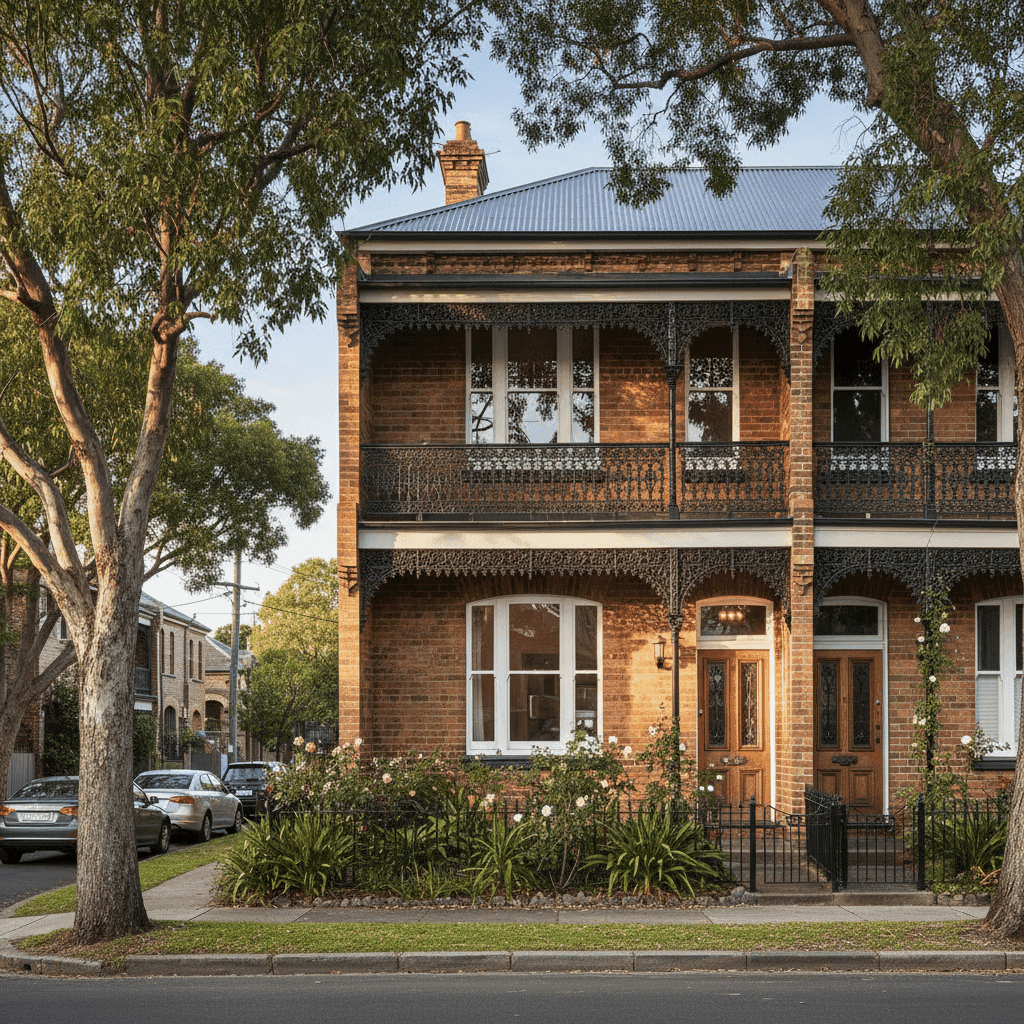
Dulwich Hill is one of Sydney's most characterful inner-west suburbs — a leafy, heritage-rich pocket of NSW where Federation-era terraces line the streets and community ties run deep. If you own a terrace here, you already know the appeal. But what does it actually cost to insure one, and how do you know if you're getting a fair deal? This article breaks down a real home and contents insurance quote for a three-bedroom double brick terrace in Dulwich Hill (NSW 2203), and puts the numbers in context so you can make a more informed decision.
---
Is This Quote Fair?
The quote in question comes in at $2,411 per year (or $231/month) for combined home and contents cover, with a building sum insured of $850,000 and contents valued at $140,000. Both the building and contents excess sit at $5,000.
Our price rating for this quote is FAIR — Around Average, and the data backs that up. Within Dulwich Hill itself, the suburb average premium is $1,867/yr and the median sits at $1,714/yr — so this quote is modestly above both of those benchmarks. However, it falls comfortably within the suburb's interquartile range: the 25th percentile is $1,046/yr and the 75th percentile is $2,704/yr. At $2,411, this quote sits in the upper half of the local market but well below the top quartile — which is consistent with the higher-than-average sum insured and the particular characteristics of this property.
It's also worth noting that the sample size for Dulwich Hill is 29 quotes, which gives a reasonable — though not exhaustive — picture of the local market. With more data points, averages can shift, so treating these figures as a guide rather than gospel is wise.
---
How Dulwich Hill Compares
Zooming out reveals just how relatively affordable inner-west Sydney can be compared to the broader insurance landscape. Check out the Dulwich Hill suburb stats for a full breakdown, but here's the headline comparison:
| Benchmark | Premium |
|---|---|
| This quote | $2,411/yr |
| Dulwich Hill suburb average | $1,867/yr |
| Dulwich Hill suburb median | $1,714/yr |
| Inner West LGA average | $2,955/yr |
| NSW average | $9,528/yr |
| NSW median | $3,770/yr |
| National average | $5,347/yr |
| National median | $2,764/yr |
The figures are striking. The NSW state average of $9,528/yr is heavily skewed by high-risk regional areas — coastal flood zones, bushfire-prone communities, and cyclone-affected regions in the state's north — which pull the mean well above what most metropolitan homeowners pay. The median of $3,770/yr is a more grounded reference point, and this quote sits below it.
Compared to the national picture, the story is similar. The national average of $5,347/yr reflects the enormous variation in risk across Australia — from Queensland cyclone corridors to flood-prone river towns — whereas Dulwich Hill's urban, low-catastrophe-risk profile keeps premiums comparatively contained.
Even against the Inner West LGA average of $2,955/yr, this quote looks reasonable, coming in roughly $544/yr below that benchmark despite carrying a substantial $850,000 building sum insured.
---
Property Features That Affect Your Premium
Several characteristics of this property have a meaningful influence on the premium — some working in the owner's favour, others adding complexity.
Double Brick construction is generally viewed favourably by insurers. It's robust, fire-resistant, and durable, which can reduce the likelihood of certain types of structural claims. For a home built in 1902, double brick is also a sign of solid, time-tested construction — though its age does mean insurers will factor in the cost of like-for-like restoration, which can be significant for heritage-style properties.
The 1902 construction year is worth paying attention to. Older homes often attract higher rebuild costs because period-appropriate materials, craftsmanship, and heritage compliance requirements can be substantially more expensive than standard modern construction. An $850,000 building sum insured reflects this reality and is an important safeguard against being underinsured.
Stump foundations are common in older Sydney terraces and can introduce some risk around subsidence or movement over time, particularly in areas with clay-heavy soils. Insurers may price this in, though well-maintained stumps on a structurally sound home shouldn't be a major concern.
The Colorbond steel roof is a positive feature — it's lightweight, durable, and performs well in storms. Compared to older terracotta or slate tiles (common on homes of this era), a steel roof is generally easier and cheaper to repair or replace.
Ducted climate control adds to the contents and fixtures value of the home, and is worth ensuring is adequately captured in your sum insured. Systems like these can be costly to replace and are sometimes overlooked in contents estimates.
No pool, no solar panels, and no cyclone risk all simplify the risk profile. Pools introduce liability considerations, solar panels add replacement costs, and cyclone zones attract significant loading — none of which apply here.
---
Tips for Homeowners in Dulwich Hill
1. Review your building sum insured carefully. With a heritage terrace built in 1902, the cost to rebuild to an equivalent standard — using period-appropriate materials and complying with local heritage overlays — can far exceed what a standard calculator suggests. Make sure your $850,000 figure has been validated against a professional quantity surveyor's estimate or an insurer's rebuild cost tool, and revisit it annually.
2. Consider your excess strategically. A $5,000 excess on both building and contents is on the higher end. While a higher excess typically reduces your premium, it also means smaller claims may not be worth lodging. Think about whether this threshold aligns with the types of incidents you'd realistically claim for, and whether a lower excess might offer better value for your situation.
3. Shop the market at renewal time. A "Fair" rating means this quote is in the ballpark — but it doesn't mean it's the best available. Premiums can vary significantly between insurers for the same property. Using a comparison tool at renewal is one of the easiest ways to ensure you're not quietly drifting into the expensive end of the market.
4. Document your contents thoroughly. With $140,000 in contents cover, it's worth maintaining an up-to-date home inventory — photos, receipts, and serial numbers for high-value items. This makes claims faster and reduces the risk of disputes over valuations. Store your records somewhere accessible outside the home (such as cloud storage) so they survive the same event you're claiming for.
---
Compare Your Own Quote
Whether you're reviewing an existing policy or shopping for the first time, understanding how your premium stacks up against the market is the first step to getting better value. Get a home insurance quote at CoverClub and see how your property compares — it takes just a few minutes and gives you real data to negotiate or switch with confidence.