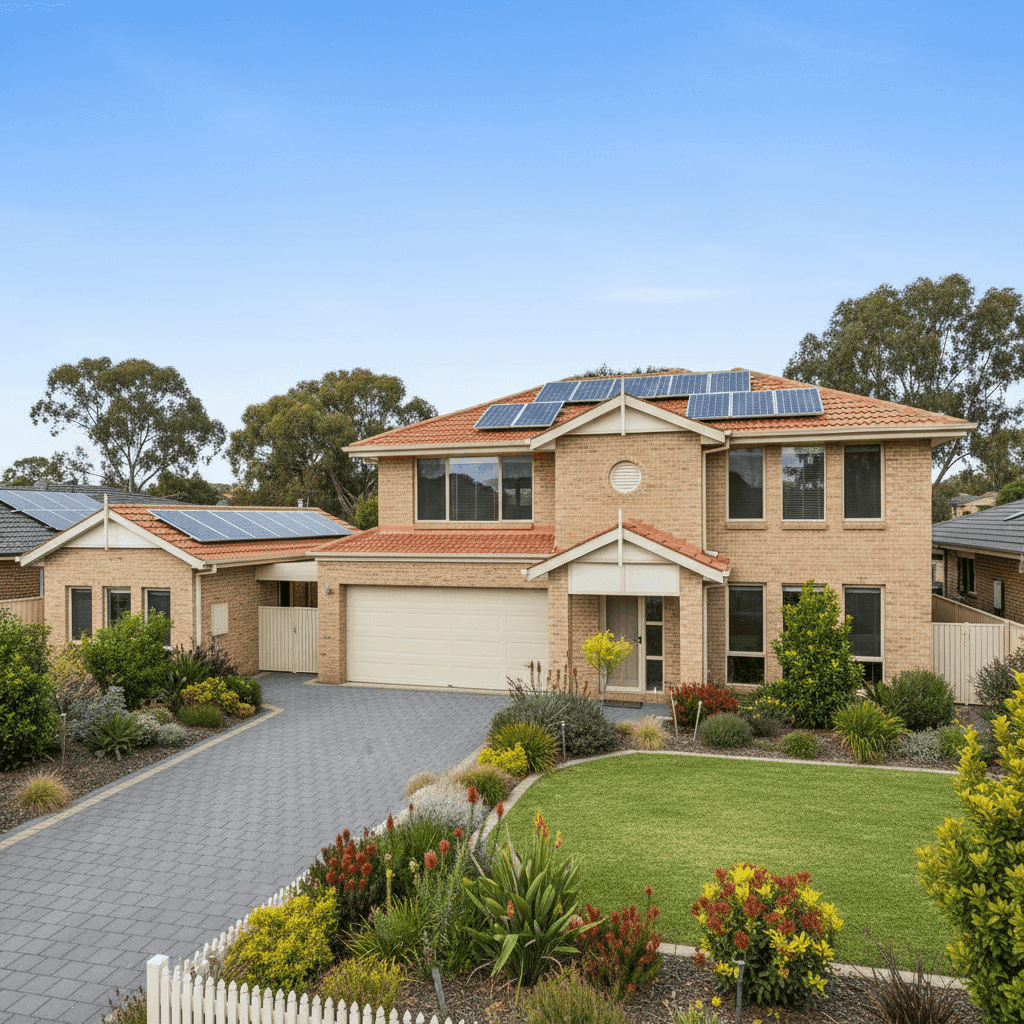
Dunlop is a well-established residential suburb in the Belconnen district of Canberra, known for its quiet streets, family-friendly atmosphere, and solid housing stock. If you own a free standing home here, understanding what you should be paying for home and contents insurance — and why — can make a real difference to your household budget. This article breaks down a recent quote for a four-bedroom home in Dunlop ACT 2615, compares it against local, state, and national benchmarks, and offers practical tips to help you get the best value cover.
---
Is This Quote Fair?
The quote in question sits at $2,185 per year (or roughly $213 per month) for combined home and contents insurance, covering a building sum insured of $910,000 and contents valued at $351,000. The building excess is $2,000 and the contents excess is $1,000.
Our pricing analysis rates this quote as Fair — Around Average. That's actually a solid result for a property of this size and specification. The premium lands comfortably below both the suburb average of $3,061/yr and the suburb median of $3,613/yr, suggesting the insurer has priced this risk competitively relative to what most Dunlop homeowners are paying.
It's worth noting that the suburb's pricing range is quite wide — from $1,760/yr at the 25th percentile up to $5,113/yr at the 75th percentile (based on 38 quotes). This spread reflects the variation in property sizes, construction types, sum insured levels, and insurer appetite across the suburb. At $2,185/yr, this quote sits in the lower half of that range, which is a reasonable outcome for a well-built, above-average-quality home.
---
How Dunlop Compares
To put this quote in proper context, here's how Dunlop stacks up against broader benchmarks:
| Benchmark | Average Premium | Median Premium |
|---|---|---|
| Dunlop (ACT 2615) | $3,061/yr | $3,613/yr |
| ACT State | $2,203/yr | $2,112/yr |
| National | $2,965/yr | $2,716/yr |
| LGA (Unincorporated ACT) | $2,352/yr | — |
A few things stand out here. First, Dunlop's suburb-level averages are notably higher than the ACT state average — suggesting that homes in this postcode tend to be larger, better appointed, or carry higher sums insured than the typical Canberra property. This makes sense given Dunlop's housing stock, which skews toward spacious family homes built in the late 1990s and 2000s.
Second, the quote of $2,185/yr is actually below the ACT state average of $2,203/yr and well below the national average of $2,965/yr. From a value standpoint, this is a competitive result — particularly for a home with a $910,000 building sum insured and $351,000 in contents.
If you're curious about how other properties in the suburb are priced, you can explore the full Dunlop insurance stats or browse the ACT state overview for broader context.
---
Property Features That Affect Your Premium
Several characteristics of this property work in its favour from an insurance pricing perspective — and a couple add complexity worth understanding.
Double Brick Construction Double brick is widely regarded as one of the most resilient external wall materials available in Australia. It offers excellent fire resistance, structural durability, and thermal performance. Insurers generally view double brick homes favourably, and this construction type can contribute to a more competitive premium compared to timber-framed or clad alternatives.
Tiled Roof Concrete or terracotta tiles are a durable, low-maintenance roofing option. They perform well in hail events and have a long lifespan, both of which reduce the likelihood of a roofing claim. This is another positive factor in the property's risk profile.
Slab Foundation A concrete slab foundation is standard for homes of this era in the ACT and is generally considered low-risk from a subsidence or movement perspective — particularly in Canberra's relatively stable soil conditions.
Solar Panels The presence of solar panels adds some complexity to a home insurance policy. Panels are typically covered under the building sum insured, but it's important to confirm this with your insurer. Damage from hail, storm, or fire should be covered, but check whether the policy includes any provisions for inverter failure or electrical faults originating from the system.
Ducted Climate Control Ducted heating and cooling systems are a significant fixed asset and are generally included in the building sum insured. Given the ACT's cold winters and warm summers, this system is essential — and worth ensuring it's adequately covered in your policy.
Granny Flat The presence of a granny flat on the property adds both value and coverage considerations. Confirm with your insurer whether the granny flat structure is included within the building sum insured, and whether any contents within it (if tenanted or used separately) require additional cover.
Above-Average Fittings Quality Higher-quality fixtures, fittings, and finishes mean higher replacement costs in the event of a claim. This is appropriately reflected in the building sum insured and is a key reason why adequate coverage — rather than underinsurance — matters so much for homes in this category.
---
Tips for Homeowners in Dunlop
1. Review Your Building Sum Insured Annually Construction costs in the ACT have risen significantly in recent years. A sum insured of $910,000 for a 214 sqm double brick home with above-average fittings and a granny flat may be appropriate today, but it's worth reassessing each year at renewal. Use a building cost calculator or speak with a quantity surveyor if you're unsure.
2. Confirm Solar Panel and Granny Flat Coverage Don't assume these are automatically covered to the extent you need. Ask your insurer specifically: Are the solar panels included in the building sum insured? Is the granny flat structure covered? Are there any exclusions for electrical faults from the solar system? Getting clarity now avoids nasty surprises at claim time.
3. Compare Quotes Before Renewing Insurance premiums can shift significantly from year to year, and loyalty doesn't always pay. Given the wide pricing range in Dunlop — from $1,760/yr to $5,113/yr — there's clearly significant variation between insurers. Running a comparison before your renewal date is one of the easiest ways to avoid overpaying.
4. Consider Your Excess Strategy This policy carries a $2,000 building excess and a $1,000 contents excess. Higher excesses generally reduce your premium, but make sure you're comfortable covering that amount out of pocket in the event of a claim. If cash flow is a consideration, a lower excess with a slightly higher premium may suit you better.
---
Compare Home Insurance Quotes in Dunlop
Whether this quote is right for you depends on your specific circumstances — but having a benchmark makes all the difference. At CoverClub, you can compare home and contents insurance quotes tailored to your property in Dunlop and see how your premium stacks up against your neighbours. Get a quote today and make sure you're getting the right cover at a fair price.