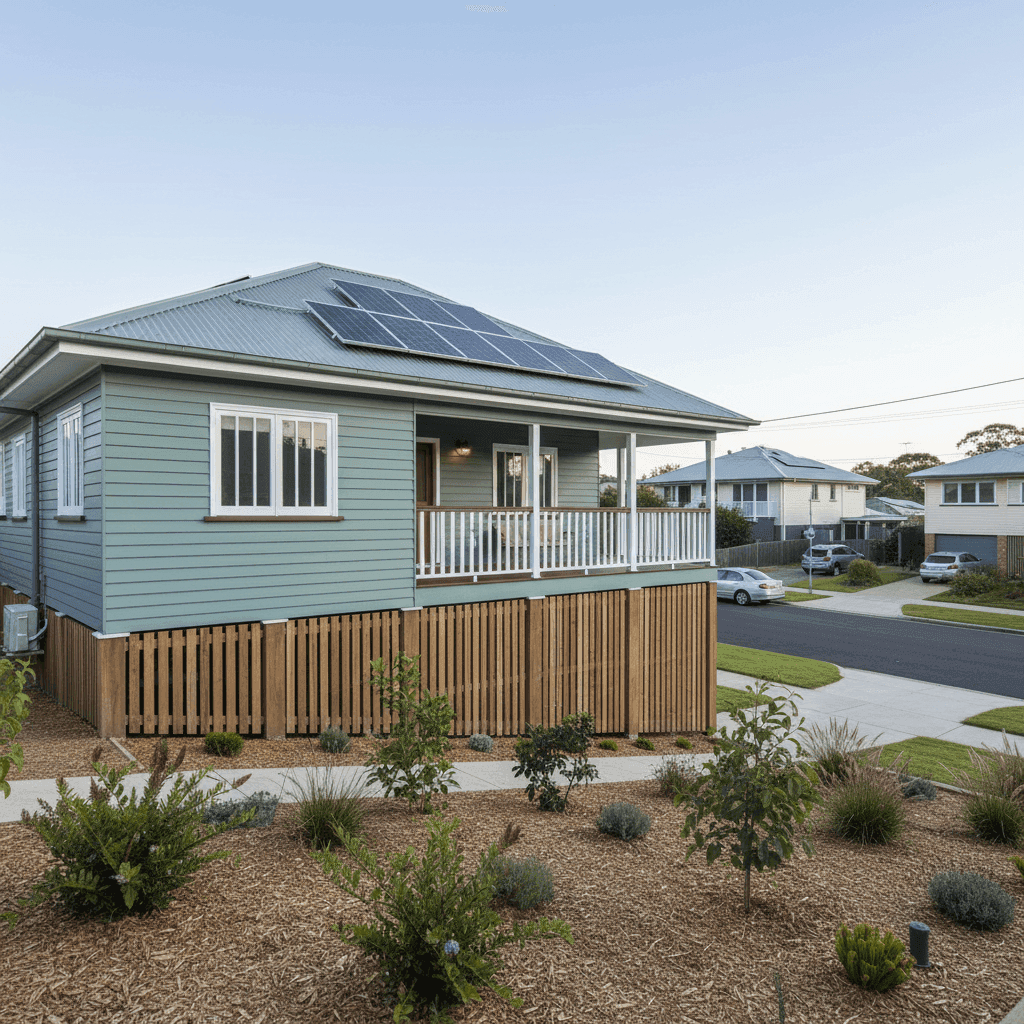
East Bairnsdale is a quiet residential pocket on the fringe of the Gippsland region, sitting just outside the Bairnsdale township in Victoria's far east. It's the kind of suburb where larger blocks, established homes, and a relaxed rural-urban feel are the norm — and where home insurance is just as important as anywhere else in the country. This article breaks down a recent home and contents insurance quote for a four-bedroom, two-bathroom free standing home in East Bairnsdale (postcode 3875), helping you understand whether the price stacks up and what's driving the cost.
---
Is This Quote Fair?
The quote in question comes in at $3,449 per year (or $344/month) for combined home and contents cover, with a building sum insured of $813,000 and contents valued at $72,000. The building excess sits at $3,000 and the contents excess at $1,000.
CoverClub's pricing analysis rates this quote as Fair — Around Average. That's a reasonable outcome, though it's worth unpacking exactly what "around average" means in this context.
When you look at the spread of quotes collected for East Bairnsdale, the suburb's average premium is $2,821/yr and the median is $2,177/yr. At $3,449, this quote sits above both of those figures — but it's still comfortably below the suburb's 75th percentile of $3,649/yr, meaning roughly three-quarters of comparable properties in the area are being quoted at a similar level or less.
The "Fair" rating reflects that while this isn't the cheapest quote on the market, it's not out of step with what insurers are charging for properties with this profile. The elevated building sum insured ($813,000 for a 244 sqm weatherboard home), combined with several features that add complexity to the risk assessment, help explain why the premium trends toward the higher end of the local range.
---
How East Bairnsdale Compares
One of the most useful ways to evaluate any insurance quote is to zoom out and compare it against broader benchmarks. Here's how this quote measures up:
| Benchmark | Premium |
|---|---|
| This Quote | $3,449/yr |
| East Bairnsdale Suburb Average | $2,821/yr |
| East Bairnsdale Suburb Median | $2,177/yr |
| East Gippsland LGA Average | $3,076/yr |
| VIC State Average | $2,921/yr |
| VIC State Median | $2,694/yr |
| National Average | $2,965/yr |
| National Median | $2,716/yr |
This quote is above the suburb average, the LGA average, and both the state and national averages. However, the suburb's 25th percentile sits at just $1,963/yr, which tells us there's significant variation in what people are paying locally — likely driven by differences in property size, construction type, sum insured, and individual risk factors.
You can explore the full picture of insurance costs in the area via the East Bairnsdale suburb stats page, or compare against all of Victoria and national benchmarks.
It's also worth noting that the East Gippsland LGA average of $3,076/yr is notably higher than the Victorian state average — a signal that insurers price this region with a degree of caution, likely due to its exposure to bushfire risk and the general remoteness of the area.
---
Property Features That Affect Your Premium
Several characteristics of this particular home have a meaningful influence on what insurers charge. Understanding these can help you make sense of the quote — and potentially find ways to reduce your costs.
Weatherboard Timber Construction
Weatherboard wood is one of the most common wall materials in older Victorian homes, but it comes with a higher fire risk rating compared to brick or rendered masonry. Insurers factor this in when pricing premiums, particularly in regions like East Gippsland where bushfire risk is elevated.
Colorbond Steel Roof
On the positive side, a steel Colorbond roof is generally viewed favourably by insurers. It's durable, low-maintenance, and performs well in harsh weather conditions. Compared to older tile or fibrous cement roofing, Colorbond typically attracts a more competitive premium.
Stump Foundation & Elevated Structure
This home is elevated by at least one metre on stumps — a classic construction style for older Victorian homes. Elevation can offer some protection against minor flooding, but stump foundations also introduce specific risks around structural movement and pest damage that insurers weigh up carefully.
Solar Panels
With solar panels installed on the roof, there's an additional replacement cost to consider in the event of storm damage, hail, or fire. Insurers generally include solar panels in building cover, but it's worth confirming the sum insured adequately accounts for their replacement value.
Ducted Climate Control
Ducted heating and cooling systems add to the overall replacement cost of the home, which is reflected in the building sum insured. At $813,000 for a 244 sqm home, the sum insured appears to account for the full cost of rebuilding — including fixtures, fittings, and installed systems.
Construction Year: 1990
Homes built around 1990 are at a stage where major systems (plumbing, electrical, roofing) may be approaching the end of their serviceable life. This can be a factor in how insurers assess risk, particularly for older weatherboard homes.
---
Tips for Homeowners in East Bairnsdale
1. Review Your Building Sum Insured Carefully
At $813,000, the building sum insured here is substantial. It's important to make sure this figure reflects the actual cost to rebuild — not the market value of the property. Use a building cost calculator or consult a quantity surveyor to verify you're neither underinsured nor over-paying for coverage you don't need.
2. Maintain Your Stump Foundation
Insurers may scrutinise stump foundations more closely, particularly in older homes. Regular inspections for timber rot, pest activity, and structural movement can help you avoid claim complications down the track — and demonstrate to your insurer that the property is well-maintained.
3. Prepare for Bushfire Season
East Gippsland is one of Victoria's most bushfire-prone regions. Creating and maintaining a defendable space around your home, clearing gutters regularly, and fitting ember guards to vents can all reduce your risk — and may be considered favourably by some insurers when assessing your premium.
4. Shop Around at Renewal Time
Given that this quote sits above both the suburb median and the state average, it's worth comparing offers from multiple insurers before renewing. Premiums can vary significantly between providers for the same property, and a few minutes of comparison shopping could save you hundreds of dollars per year.
---
Ready to Compare?
Whether you're a new homeowner in East Bairnsdale or coming up to renewal on an existing policy, comparing quotes is the smartest way to make sure you're getting value for money. Get a home insurance quote through CoverClub and see how your property stacks up against the market — it only takes a few minutes and could make a real difference to what you pay.