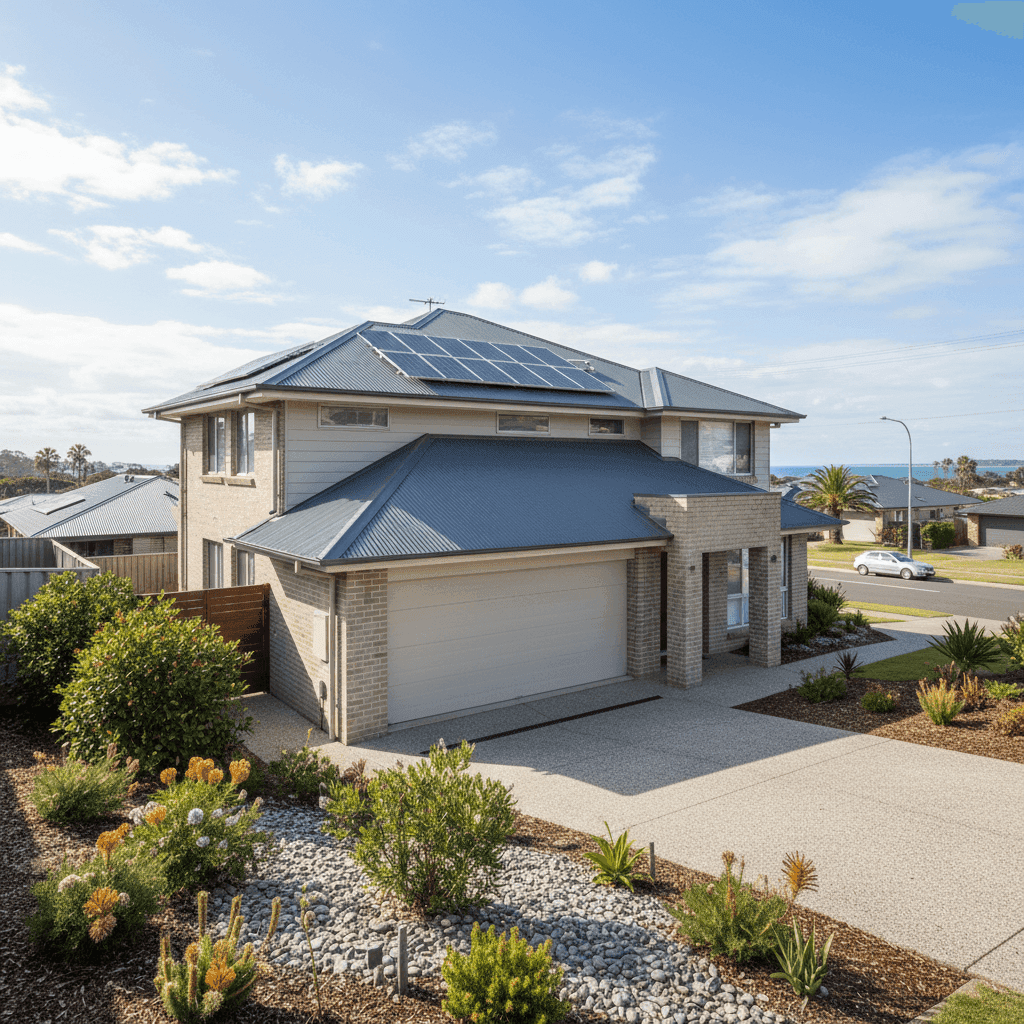
East Ballina is a sought-after coastal suburb on the Northern Rivers of New South Wales — known for its relaxed lifestyle, proximity to the beach, and a housing market that continues to attract families and sea-changers alike. But owning a home here comes with real insurance considerations, particularly given the region's exposure to severe weather events. This article takes a close look at a recent building insurance quote for a 3-bedroom, 2-bathroom free-standing home in East Ballina (postcode 2478), breaking down whether the premium stacks up against local, state, and national benchmarks.
---
Is This Quote Fair?
The quoted annual premium for this property is $30,287 per year (or approximately $2,903/month), covering building only with a $5,000 building excess. Our analysis rates this quote as Expensive — Above Average.
To put that in perspective: the suburb average for East Ballina sits at just $4,526 per year, and the suburb median is $4,284. This quote is roughly 6.7 times the local suburb average — a significant gap that warrants a closer look. Even at the upper end of the local market (the 75th percentile sits at $5,525/yr), this premium is still more than five times higher.
It's worth noting that the sum insured is $795,000 — a substantial figure that reflects the cost of rebuilding a quality modern home in coastal NSW. Higher sums insured naturally push premiums upward, and this is likely one of the key drivers behind the elevated cost. That said, the magnitude of the difference still suggests it's well worth shopping around and comparing quotes from multiple insurers before committing.
---
How East Ballina Compares
Understanding where this quote sits in the broader market helps frame just how significant the pricing gap is. Here's a quick snapshot:
| Benchmark | Annual Premium |
|---|---|
| This Quote | $30,287 |
| East Ballina Suburb Average | $4,526 |
| East Ballina Suburb Median | $4,284 |
| Ballina LGA Average | $23,241 |
| NSW State Average | $9,528 |
| NSW State Median | $3,770 |
| National Average | $5,347 |
| National Median | $2,764 |
A few things stand out here. First, the Ballina LGA average of $23,241/yr is notably higher than both the NSW state average and the national average — a strong signal that insurers are pricing flood and weather risk into premiums across the broader Ballina region. The Northern Rivers area experienced catastrophic flooding in 2022, and the insurance industry's response has been a sustained upward repricing of risk in affected and nearby postcodes.
Second, the NSW state average of $9,528 is itself well above the national average of $5,347, reflecting the elevated risk profile of many NSW coastal and riverine communities.
You can explore local pricing trends in more detail on the East Ballina suburb stats page, compare against the broader NSW state data, or view national home insurance benchmarks.
---
Property Features That Affect Your Premium
Several characteristics of this property will influence how insurers assess and price the risk. Here's what's most relevant:
Construction (Brick Veneer + Colorbond Roof + Slab Foundation) This is a well-regarded combination from an insurance standpoint. Brick veneer walls offer solid fire resistance and structural durability. A steel Colorbond roof is highly regarded for its performance in high-wind events and its resistance to ember attack during bushfires. A concrete slab foundation is generally considered lower risk than older pier-and-beam styles. Together, these features should work in the homeowner's favour when insurers calculate risk.
Relatively New Build (Constructed 2018) A home built in 2018 benefits from compliance with modern Australian building codes, including improved cyclone and flood construction standards introduced in recent decades. Newer homes tend to attract more competitive premiums than older stock, all else being equal.
Above Average Fittings Quality The property is noted as having above-average fittings — think quality kitchen appliances, premium bathroom fixtures, and higher-end finishes throughout. This is reflected in the $795,000 sum insured and means the cost to rebuild or repair the home to its current standard is genuinely high. Insurers price this accordingly.
Solar Panels Solar panels are an increasingly common feature on Australian homes, but they do add complexity to a building insurance policy. Panels can be damaged in hailstorms, high winds, or during a fire, and their replacement cost needs to be factored into the sum insured. Homeowners should confirm their policy explicitly covers rooftop solar systems.
Ducted Climate Control Ducted air conditioning systems are expensive to repair or replace and form part of the building's insured value. This adds to the overall rebuild cost and contributes to the higher sum insured figure.
Tile Flooring Tiled floors are generally viewed favourably by insurers — they're durable, water-resistant, and easier to repair or replace than timber or carpet in the event of water damage.
---
Tips for Homeowners in East Ballina
1. Compare multiple quotes — this one in particular A premium of $30,287/yr is well above both the local and state averages, even accounting for the high sum insured. It's strongly advisable to obtain at least three to four competing quotes before renewing or taking out a new policy. Pricing across insurers for the same property can vary dramatically, especially in flood-affected regions.
2. Review your sum insured carefully While it's critical never to underinsure your home, it's equally important to ensure your sum insured accurately reflects the actual rebuild cost — not the market value of the property. Use a building cost calculator or consult a quantity surveyor to verify your figure. Overinsuring can unnecessarily inflate your premium.
3. Ask your insurer about flood cover specifics Given the Northern Rivers' history with flooding, it's essential to understand exactly what flood events your policy covers. Not all policies treat riverine flooding, flash flooding, and storm surge the same way. Read the Product Disclosure Statement (PDS) carefully and ask your insurer direct questions about coverage triggers.
4. Consider a higher excess to reduce your premium This quote already carries a $5,000 building excess. If you're comfortable holding a larger financial buffer, asking for a higher voluntary excess can meaningfully reduce annual premiums. Just ensure you could comfortably cover that excess amount if a claim arose.
---
Ready to Find a Better Rate?
If this quote has you wondering whether you're paying too much, you're not alone. Home insurance premiums in coastal NSW can vary enormously between providers — and the difference can amount to thousands of dollars per year. CoverClub makes it easy to compare building insurance quotes for your East Ballina home in minutes. Get a quote today and see what the market is really offering for your property.