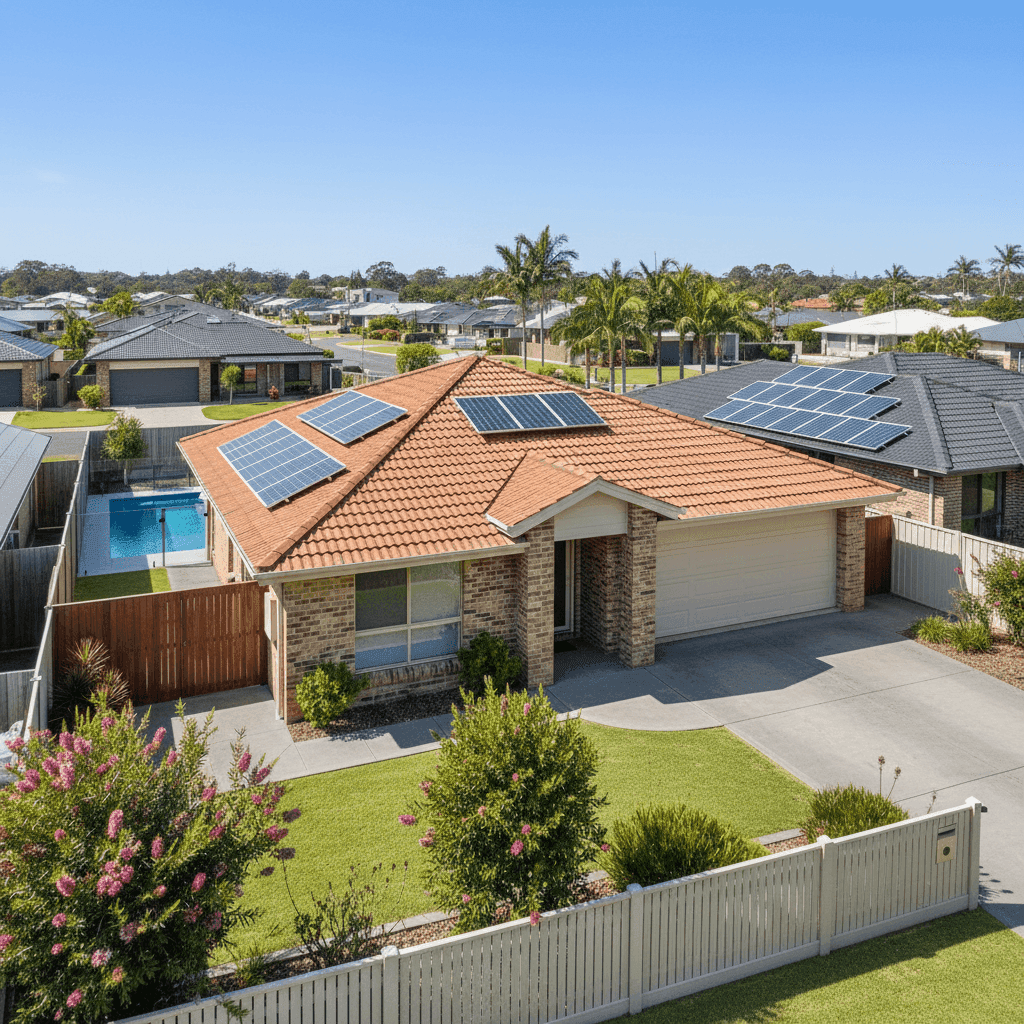
East Ballina is a sought-after coastal suburb in the Northern Rivers region of New South Wales, known for its relaxed lifestyle, proximity to the beach, and strong property values. For owners of free standing homes in this area, understanding what drives your home insurance premium — and whether you're paying a fair price — is an important part of protecting your biggest asset.
This article takes a close look at a home and contents insurance quote of $8,489 per year (or $814 per month) for a 4-bedroom, 2-bathroom brick veneer home in East Ballina, and puts it in context against local, state, and national benchmarks.
---
Is This Quote Fair?
Based on our analysis, this quote is rated Expensive (Above Average). At $8,489 annually, it sits noticeably above the suburb average of $4,526 per year and well above the suburb median of $4,284 per year. Even compared to the suburb's 75th percentile — meaning three-quarters of comparable quotes come in cheaper — the figure of $5,525 per year is considerably lower than what's been quoted here.
That said, context matters. The quote covers a $687,000 building sum insured plus $50,000 in contents, which is a reasonably substantial coverage package. A higher sum insured will naturally push premiums upward, and the property includes several features — a swimming pool, solar panels, and ducted climate control — that add to the insurer's risk exposure and replacement cost calculations.
Still, a premium nearly double the suburb average warrants scrutiny. It's worth exploring whether this quote reflects the true risk profile of the property, or whether shopping around could yield meaningful savings without sacrificing cover.
---
How East Ballina Compares
Understanding where your premium sits relative to broader benchmarks helps put the figure in perspective. Here's how the East Ballina market looks:
| Benchmark | Premium |
|---|---|
| This quote | $8,489/yr |
| East Ballina suburb average | $4,526/yr |
| East Ballina suburb median | $4,284/yr |
| East Ballina 25th percentile | $3,671/yr |
| East Ballina 75th percentile | $5,525/yr |
| NSW state average | $9,528/yr |
| NSW state median | $3,770/yr |
| National average | $5,347/yr |
| National median | $2,764/yr |
| Ballina LGA average | $23,241/yr |
A few things stand out in this data. First, the Ballina LGA average of $23,241 per year is extraordinarily high — a figure heavily influenced by flood-affected and high-risk properties across the broader local government area. East Ballina's own suburb average of $4,526 is far more modest, suggesting the specific suburb carries a more manageable risk profile than other parts of the LGA.
Second, the gap between the NSW state average ($9,528) and the NSW state median ($3,770) is enormous — a classic sign that a small number of very high-risk properties are pulling the average upward. The median is a more reliable indicator of what most NSW homeowners actually pay.
Compared to the national median of $2,764, the East Ballina suburb median of $4,284 is elevated, which reflects the higher property values and coastal risk factors common to Northern Rivers communities.
You can explore detailed premium data for the area on the East Ballina suburb stats page, or broaden your view with NSW state insurance statistics and national home insurance benchmarks.
---
Property Features That Affect Your Premium
Several characteristics of this property have a direct bearing on what insurers charge. Here's a breakdown of the key factors at play:
Brick Veneer Walls & Tiled Roof
Brick veneer construction with a tiled roof is generally viewed favourably by insurers. Both materials offer good fire resistance and durability, and are among the most common construction types in Australia. This combination typically attracts more competitive premiums compared to timber-framed or steel-clad homes.
Slab Foundation
A concrete slab foundation is standard in this era of construction and presents no particular red flags for insurers. It's a neutral factor in most premium calculations.
Built in 1992
At over 30 years old, the property is entering a phase where wear-and-tear on plumbing, electrical systems, and roofing can become a concern. Some insurers apply age loadings or exclusions for older homes, so it's worth confirming what your policy covers in terms of gradual deterioration.
Swimming Pool
A pool adds to both the replacement value of the property and the liability exposure for insurers. Pool fencing compliance, pump and filtration equipment, and the cost of reinstatement after an insured event all contribute to a higher base premium.
Solar Panels
Solar panel systems are increasingly common but add meaningful replacement cost to a home. A quality ducted solar system can cost tens of thousands of dollars to replace, and this should be factored into your building sum insured — which, at $687,000, appears to account for these extras.
Ducted Climate Control
Ducted air conditioning systems are expensive to install and replace. Like solar panels, they contribute to the overall rebuild cost of the home and are a legitimate driver of a higher sum insured and, by extension, a higher premium.
Vinyl Flooring
Vinyl flooring is relatively inexpensive to replace compared to hardwood or polished concrete, which is a minor positive factor in contents and building assessments.
---
Tips for Homeowners in East Ballina
1. Review Your Sum Insured Carefully
At $687,000, the building sum insured needs to reflect the full cost of rebuilding — not the market value of the property. Use a building cost calculator or engage a quantity surveyor to confirm this figure is accurate. Over-insuring unnecessarily inflates your premium, while under-insuring can leave you exposed after a claim.
2. Shop Around — Premiums Vary Significantly
The gap between the cheapest and most expensive quotes in East Ballina is substantial. With the 25th percentile sitting at $3,671 and this quote at $8,489, there's clear evidence that different insurers price this suburb very differently. Comparing multiple quotes is one of the most effective ways to reduce your annual cost.
3. Ask About Bundling Discounts
Many insurers offer discounts when you combine home and contents cover under a single policy — which this quote already does. However, if you also hold car insurance or other policies, consolidating with one provider may unlock further savings.
4. Consider Your Excess Level
This policy carries a $2,000 excess on both building and contents. Opting for a higher voluntary excess can meaningfully reduce your annual premium. If you're financially comfortable absorbing a larger out-of-pocket cost in the event of a claim, this is worth exploring.
---
Compare Quotes and Find Better Value
Whether you're renewing your existing policy or shopping for the first time, comparing quotes is the single best step you can take to ensure you're not overpaying. CoverClub makes it easy to see what multiple insurers would charge for your specific property — so you can make an informed decision with confidence.