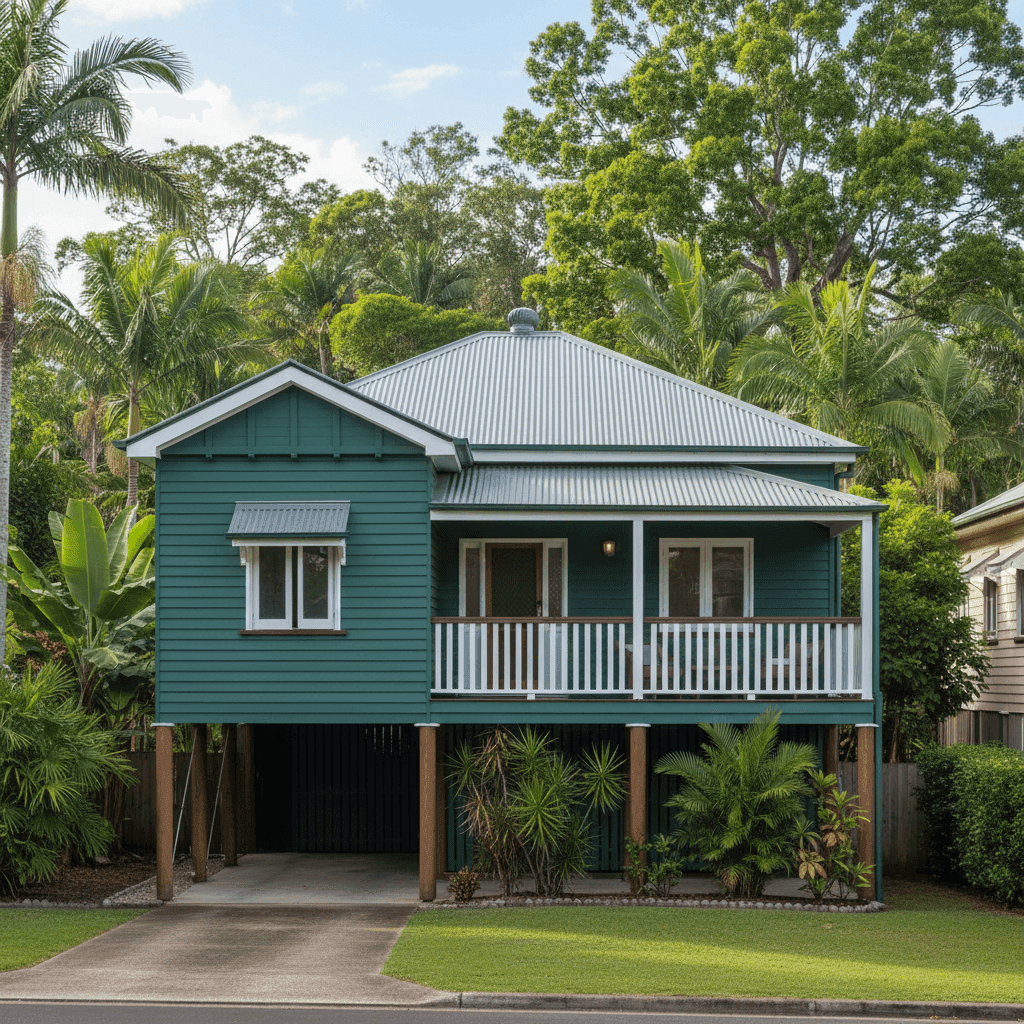
Home insurance in Far North Queensland is rarely cheap — but for some properties in East Innisfail, the premiums can be genuinely eye-watering. This article breaks down a real building insurance quote for a 2-bedroom, 1-bathroom free standing home in East Innisfail (QLD 4860), examines whether the price stacks up, and offers practical guidance for homeowners navigating one of Australia's most challenging insurance markets.
---
Is This Quote Fair?
The quote in question comes in at $20,932 per year (or $2,093/month) for building-only cover on a 2-bedroom home, with a building excess of $3,000 and a sum insured of $451,000.
Our price rating for this quote is EXPENSIVE — Above Average, and the data backs that up clearly.
To put it in perspective:
- The suburb average for East Innisfail is $6,664/yr — this quote is more than 3× that figure
- The suburb median sits at $5,828/yr — still less than a third of this premium
- Even the 75th percentile in the suburb (meaning 75% of quotes are cheaper) is $8,266/yr — well below $20,932
- The Queensland state average is $4,547/yr, and the national average is just $2,965/yr
By any measure, this is a high-cost quote. That said, it doesn't necessarily mean the quote is wrong — it may accurately reflect the specific risk profile of this property. The key is understanding why the premium is so elevated, and whether there are ways to bring it down.
---
How East Innisfail Compares
East Innisfail already sits in a high-risk insurance zone relative to the rest of the country. Suburb-level data for East Innisfail (4860) shows an average premium of $6,664/yr — more than double the national average of $2,965/yr. Even compared to the broader Queensland average of $4,547/yr, the suburb commands a significant loading.
This is consistent with the area's exposure to tropical weather events, including cyclones and flooding associated with the Johnstone River system. The Tablelands LGA average of $7,937/yr further illustrates that elevated premiums are a regional norm here — not an anomaly.
| Benchmark | Annual Premium |
|---|---|
| This Quote | $20,932 |
| Suburb Average (East Innisfail) | $6,664 |
| Suburb Median | $5,828 |
| Suburb 75th Percentile | $8,266 |
| QLD State Average | $4,547 |
| National Average | $2,965 |
Even within a high-risk suburb, this quote sits well above what most comparable properties are paying. With only 14 quotes in the suburb sample, there is some variability in the data — but the gap is large enough to warrant shopping around.
---
Property Features That Affect Your Premium
Several characteristics of this property contribute directly to its insurance cost. Understanding them helps explain the premium — and points to where there may be room to negotiate or improve.
Age of Construction (1930)
At nearly 100 years old, this home was built long before modern cyclone-resistant building codes were introduced. Insurers view older construction as higher risk due to potential structural vulnerabilities, outdated wiring, plumbing, and materials that may not meet current standards. Rebuilding or repairing heritage-era homes can also be significantly more expensive, which flows through to the sum insured and ultimately the premium.
Weatherboard Timber Walls
Weatherboard timber is a classic Queensland building material, but it carries a higher risk rating than brick or steel-framed construction. Timber is more susceptible to fire, termite damage, and wind damage — all of which are relevant in Far North Queensland. Insurers price this risk accordingly.
Elevated on Stumps
Being elevated by at least 1 metre on stumps is actually a positive feature in flood-prone areas like East Innisfail. Traditional Queenslander-style stumped homes can fare better in flood events because water may pass beneath the living areas. However, elevated homes can also be more exposed to wind uplift during cyclones, which insurers factor into their cyclone risk modelling.
Cyclone Risk Area
This is arguably the single biggest driver of the premium. East Innisfail sits within a designated cyclone risk zone, and insurers apply substantial loadings to properties in these areas. The region has a well-documented history of severe tropical cyclone activity — Cyclone Larry (2006) caused widespread destruction across Innisfail and surrounds — and this historical loss data directly informs how insurers price local risk.
Colorbond Steel Roof
A steel Colorbond roof is generally viewed more favourably than older roofing materials like fibro or ageing terracotta tiles. It offers good durability and wind resistance. While it won't eliminate cyclone loading, it may be a modest positive factor in the overall risk assessment.
Sum Insured: $451,000
The building sum insured of $451,000 for a 105 sqm home reflects the genuine cost of rebuilding an older, elevated timber home in a regional area — including demolition, site costs, and the premium associated with period-style construction. Getting this figure right is critical: underinsurance is a serious risk, but overinsurance means paying more than necessary in premiums.
---
Tips for Homeowners in East Innisfail
1. Compare Multiple Insurers — Seriously
The spread of premiums in East Innisfail is wide. With quotes ranging from the 25th percentile ($3,093/yr) to well above $20,000, the insurer you choose matters enormously. Some insurers have pulled back from high-risk cyclone zones, while others actively compete for this market. Getting a fresh quote through CoverClub lets you compare what's available side by side.
2. Review Your Sum Insured Carefully
It's worth having your sum insured independently assessed — particularly for an older home. A quantity surveyor or online rebuild calculator can help you avoid paying premiums on an inflated figure, while also protecting you from the financial devastation of underinsurance after a major event.
3. Ask About Cyclone Mitigation Discounts
Some insurers offer premium reductions for homes that have undergone cyclone-proofing improvements — such as roof tie-down upgrades, cyclone shutters, or reinforced connections between the roof and wall frames. Given the age of this home, even modest upgrades could make a meaningful difference to both safety and insurability.
4. Consider a Higher Excess
The current building excess on this quote is $3,000. Opting for a higher voluntary excess can reduce the annual premium, though it means paying more out of pocket in the event of a claim. This trade-off is worth modelling carefully — particularly for a property where the most likely major claim scenario is a cyclone event, which would almost certainly exceed any reasonable excess anyway.
---
Ready to Find a Better Deal?
If you own a home in East Innisfail or anywhere in Far North Queensland, the best thing you can do is make sure you're not overpaying for cover that another insurer would price more competitively. CoverClub makes it easy to compare building and contents insurance quotes in one place — so you can see exactly where your premium sits relative to the market.
Compare home insurance quotes for your property at CoverClub →