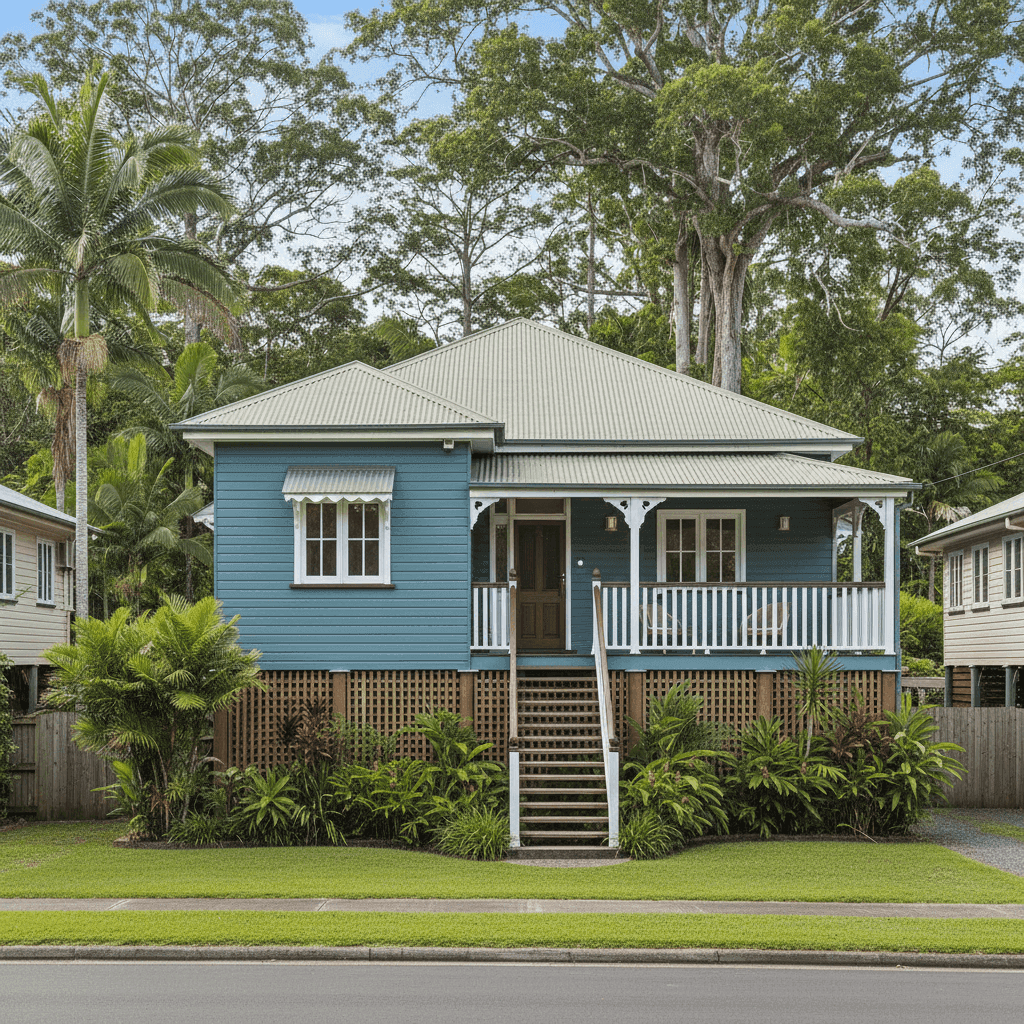
Home insurance in Far North Queensland can be a confronting expense — and for owners of a two-bedroom, free-standing home in East Innisfail, QLD 4860, the numbers can be particularly eye-opening. This article breaks down a real home and contents insurance quote for a property in this suburb, compares it against local, state, and national benchmarks, and explains the key factors driving the cost. Whether you're a current homeowner or considering a purchase in the area, understanding what's behind the premium is the first step toward making a smarter insurance decision.
---
Is This Quote Fair?
The quote in question sits at $25,231 per year (or $2,455/month) for combined home and contents cover — with a building sum insured of $546,000 and contents valued at $34,000. The building excess is $5,000 and the contents excess is $2,000.
Our price rating for this quote is EXPENSIVE (Above Average).
To put that in context: the suburb average premium in East Innisfail sits at $6,664 per year, with a median of $5,828. This quote comes in at nearly four times the suburb median — a significant gap that warrants a closer look.
That said, premium comparisons aren't always apples-to-apples. The suburb sample includes quotes across a range of property types, sum insured levels, and risk profiles. A higher building sum insured ($546,000 is on the larger end for a 105 sqm home) will naturally push the premium upward. Still, even accounting for the insured value, this quote is materially above what most East Innisfail homeowners appear to be paying, and it's worth exploring why — and whether there's room to reduce the cost.
---
How East Innisfail Compares
The premium gap becomes even more striking when you zoom out to broader comparisons:
| Benchmark | Annual Premium |
|---|---|
| This Quote | $25,231 |
| East Innisfail Suburb Average | $6,664 |
| East Innisfail Suburb Median | $5,828 |
| East Innisfail 25th Percentile | $3,093 |
| East Innisfail 75th Percentile | $8,266 |
| Tablelands LGA Average | $7,937 |
| QLD State Average | $4,547 |
| QLD State Median | $3,931 |
| National Average | $2,965 |
| National Median | $2,716 |
Even compared to the QLD state average of $4,547, this quote is more than five times higher. And against the national average of $2,965, it's nearly nine times the typical Australian premium.
It's worth noting that Far North Queensland is one of the most expensive regions in Australia for home insurance, largely due to cyclone exposure and the legacy of major weather events. The Tablelands LGA average of $7,937 reflects this elevated risk environment. Even so, this particular quote stands well above that local benchmark, suggesting the specific property characteristics are adding meaningful cost on top of the already-elevated regional baseline.
---
Property Features That Affect Your Premium
Several characteristics of this property are likely contributing to the elevated premium. Here's what insurers are factoring in:
Cyclone Risk Area
East Innisfail sits in a designated cyclone risk zone in Far North Queensland. This is arguably the single biggest driver of high premiums in this region. Insurers price cyclone exposure heavily, and properties in this corridor have historically experienced significant damage from events like Cyclone Larry (2006) and Cyclone Yasi (2011). Cyclone-related loadings can multiply a base premium several times over.
Age of Construction (1930)
At nearly 100 years old, this home is well beyond the age threshold that most insurers consider standard. Older homes carry higher risk of structural issues, outdated wiring, plumbing degradation, and materials that don't meet modern building codes. Insurers typically apply age-based loadings for homes built before the 1970s, and a 1930s build is firmly in the high-loading category.
Weatherboard Timber Walls
Timber weatherboard construction, while charming and common in older Queensland homes, is considered a higher-risk material than brick or rendered masonry. It's more susceptible to fire, termite damage, and storm impact — all of which factor into the insurer's risk assessment.
Elevated on Stumps
Being elevated by at least one metre on stumps is a double-edged sword. On one hand, it can reduce flood risk by keeping the living area above ground level — a genuine benefit in a region prone to heavy rainfall and inundation. On the other, stump foundations introduce their own risks: the stumps themselves can deteriorate over time, and elevated homes can be more vulnerable to wind uplift during cyclones.
Timber and Laminate Flooring
Timber flooring, while aesthetically appealing, is more susceptible to water damage than tiled alternatives. In a high-rainfall, cyclone-prone area, this can influence how insurers assess the potential cost of a claim.
Building Sum Insured
At $546,000 for a 105 sqm home, the sum insured is relatively high on a per-square-metre basis. While it's important to be adequately insured (underinsurance is a serious risk), it's worth verifying that this figure accurately reflects the cost to rebuild — not the market value of the property. Overinsurance can unnecessarily inflate your premium.
---
Tips for Homeowners in East Innisfail
1. Shop Around — Seriously
The spread between the 25th percentile ($3,093) and this quote ($25,231) in the same suburb is enormous. Not all insurers price cyclone risk and older timber homes the same way. Getting multiple quotes is essential, and tools like CoverClub make it easy to compare options side by side.
2. Review Your Sum Insured
Make sure your building sum insured reflects the actual cost to rebuild your home — not its market value or a rough estimate. Consider using a professional building replacement cost calculator or engaging a quantity surveyor. If your sum insured is higher than necessary, you may be paying more than you need to.
3. Consider Cyclone Mitigation Upgrades
Some insurers offer premium discounts for homes that have undergone cyclone-proofing works — such as roof tie-downs, improved window protection, or upgraded fasteners. Given the age of this home, a cyclone resilience assessment could identify cost-effective improvements that also reduce your insurance loading.
4. Check Your Excess Options
This quote carries a $5,000 building excess and a $2,000 contents excess. Opting for a higher excess is one of the most straightforward ways to reduce your annual premium. If you're financially comfortable absorbing a larger out-of-pocket cost in the event of a claim, increasing your excess could meaningfully lower what you pay each year.
---
Compare Your Options with CoverClub
Home insurance in East Innisfail is genuinely complex — the combination of cyclone exposure, older construction, and timber materials means premiums vary widely between insurers. The best way to know whether you're getting a fair deal is to compare. [Run a quote on CoverClub](https://coverclub.com.au/?focus=address) to see how different providers price your specific property, and check the East Innisfail suburb stats page to benchmark your premium against real data from your area.