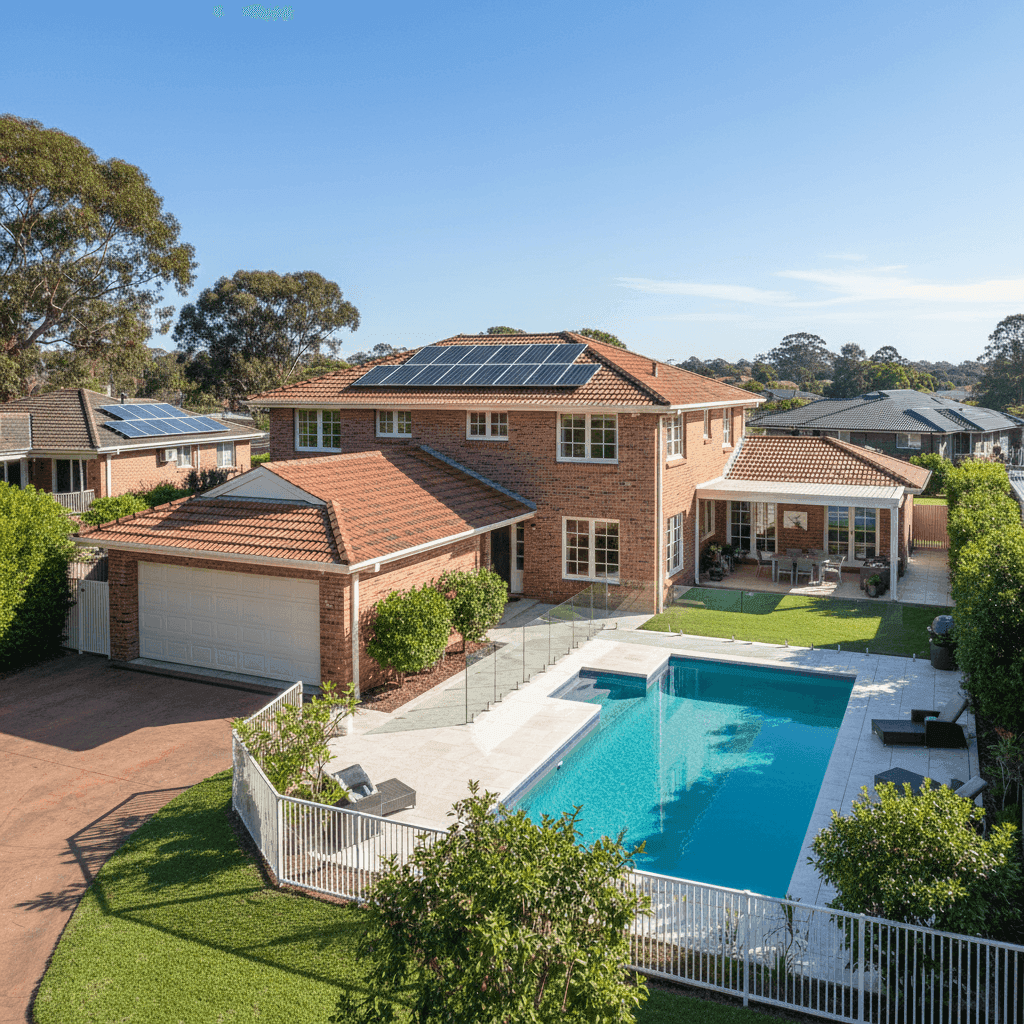
If you own a free standing home in Eastlakes, NSW 2018, you've probably wondered whether your home insurance premium is reasonable — or whether you're quietly paying too much. In this article, we break down a real home and contents insurance quote for a four-bedroom property in Eastlakes, compare it against local, state, and national benchmarks, and offer practical tips to help you get better value on your cover.
---
Is This Quote Fair?
The quote in question comes in at $3,551 per year (or $340 per month) for combined home and contents cover, with a building sum insured of $750,000 and contents valued at $350,000. Both the building and contents excess are set at $1,000.
Our pricing analysis rates this quote as Expensive — above average for the area. That's a meaningful flag worth paying attention to.
To put it in perspective, the suburb average for Eastlakes sits at just $1,097 per year, with a median of $1,067. Even at the 75th percentile — meaning 75% of comparable quotes are cheaper — the figure is only $1,262 per year. This quote is more than 2.8 times the suburb's 75th percentile, which is a significant gap by any measure.
That said, context matters. The sum insured here is substantial: $750,000 for the building and $350,000 for contents is a high coverage level. A larger insured value naturally pushes premiums higher, and it's important not to compare raw premium figures without accounting for what's actually being covered.
---
How Eastlakes Compares
Understanding where Eastlakes sits within the broader insurance landscape helps frame whether this quote reflects a local pricing issue or a property-specific one.
| Benchmark | Average Premium | Median Premium |
|---|---|---|
| Eastlakes (NSW 2018) | $1,097/yr | $1,067/yr |
| Bayside LGA (NSW) | $2,954/yr | — |
| New South Wales | $9,528/yr | $3,770/yr |
| National | $5,347/yr | $2,764/yr |
A few things stand out here. First, Eastlakes premiums are notably low compared to both the NSW state average and the national average — suggesting the suburb is generally considered a lower-risk area by insurers. Second, the NSW state average of $9,528 is extraordinarily high, likely skewed by high-value properties and elevated-risk postcodes elsewhere in the state. The median of $3,770 is a more reliable reference point for typical NSW homeowners.
At $3,551, this quote actually sits just below the NSW median — which, depending on your perspective, could be seen as reasonable for a well-appointed property in Sydney's inner south. However, measured against the Eastlakes suburb benchmark, it remains well above what most local homeowners are paying.
It's worth noting the suburb sample size is relatively small (7 quotes), so the local figures should be treated as indicative rather than definitive.
---
Property Features That Affect Your Premium
Several characteristics of this property have a direct bearing on the premium quoted. Here's how each one plays a role:
Double Brick Construction Double brick is generally viewed favourably by insurers. It's durable, fire-resistant, and less susceptible to storm damage than timber-framed or clad homes. This construction type can work in the homeowner's favour when it comes to pricing.
Tiled Roof Terracotta or concrete tiles are a standard and well-regarded roofing material in Australia. They're resilient in most weather conditions and typically attract neither a premium loading nor a discount — they're simply the expected norm for a home of this era.
Stump Foundation Homes on stumps (also known as raised or pier foundations) are common in older Australian properties. While they offer good ventilation and can be easier to inspect and repair, they may attract slightly different underwriting treatment depending on the insurer, particularly regarding subsidence or pest risk.
Construction Year: 1950 Older homes can be more expensive to insure simply because materials and labour costs to restore them to their original standard are higher. A 1950s home may also have older plumbing, wiring, or structural elements that haven't been updated, which some insurers factor into their risk assessment.
Swimming Pool A pool adds liability exposure to a home insurance policy. Insurers account for the risk of accidents occurring on the property, and this typically results in a higher premium — sometimes meaningfully so.
Solar Panels Solar panels are a fixed asset attached to the building and are generally covered under the building component of a home and contents policy. Their replacement cost contributes to the overall sum insured and may add a modest loading to the premium.
Ducted Climate Control Ducted air conditioning is a significant built-in system, and its inclusion in the building sum insured of $750,000 is appropriate. Like solar panels, it adds to the overall replacement value that the insurer is on the hook for.
214 sqm Building Size At 214 square metres, this is a sizeable home by Australian standards. Larger homes cost more to rebuild, which directly influences the building sum insured and, in turn, the premium.
---
Tips for Homeowners in Eastlakes
1. Review your sum insured carefully The building sum insured of $750,000 is the single biggest driver of this premium. It's worth getting an independent building replacement cost estimate to ensure you're not over-insured. Many homeowners set their sum insured too high out of caution, but paying to insure more than you need to rebuild is money left on the table.
2. Compare multiple quotes The gap between this quote and the suburb average is large enough to warrant shopping around. Different insurers price risk differently, and a property with a pool, solar panels, and an older construction date will be assessed in varying ways. Use a comparison platform like CoverClub to see multiple quotes side by side.
3. Ask about bundling discounts and loyalty offers Some insurers offer meaningful discounts when you hold multiple policies with them (e.g., home, contents, and car). If you're already a customer elsewhere, it's worth asking what's available before switching.
4. Consider your excess level Both the building and contents excess are set at $1,000. Opting for a higher excess — say $2,000 or $2,500 — can reduce your annual premium noticeably. Just make sure you're comfortable covering that amount out of pocket in the event of a claim.
---
Compare Your Home Insurance Today
Whether you're renewing your policy or shopping for the first time, it pays to know what others in your area are paying. CoverClub makes it easy to benchmark your premium and explore your options — without the hassle. Get a home insurance quote today and see how much you could save.