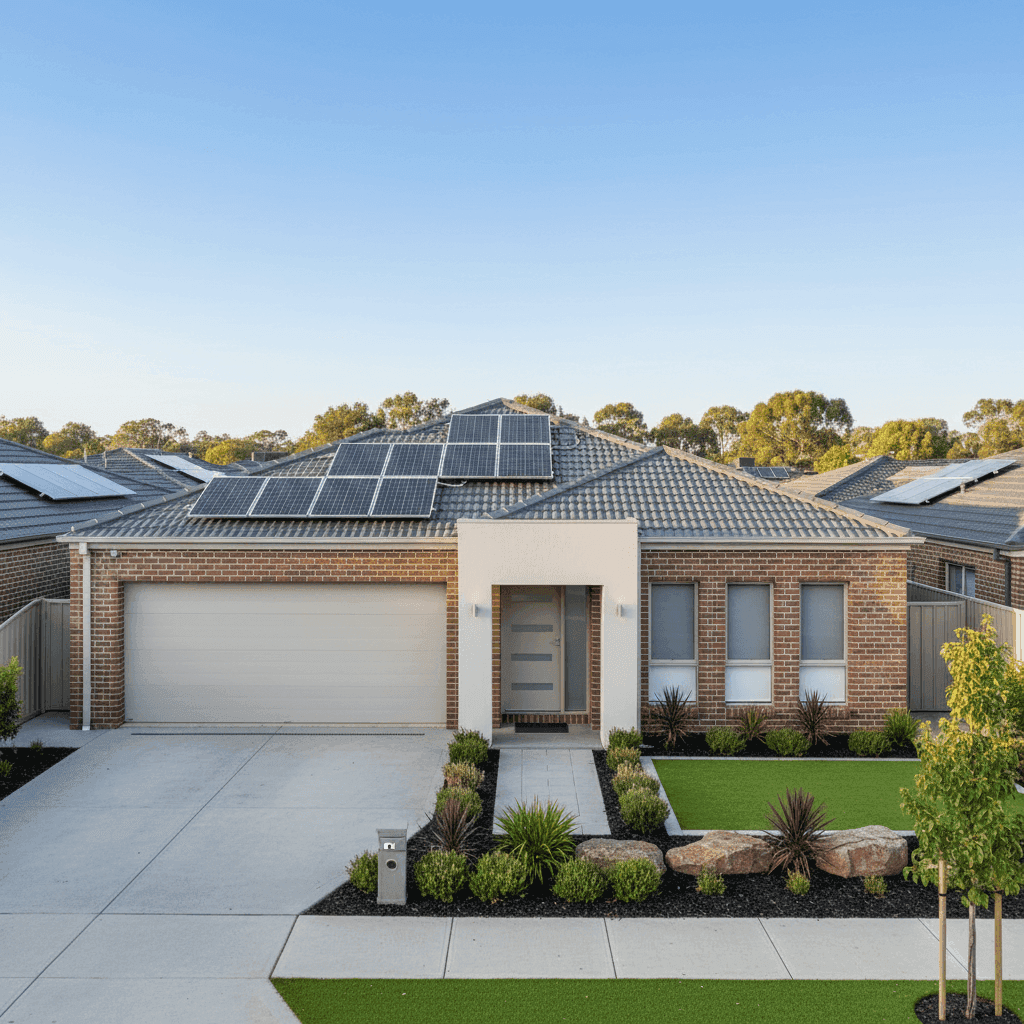
If you own a free standing home in Eastwood, VIC 3875, you've probably wondered whether you're paying a fair price for your home insurance — or whether you're leaving money on the table. This article breaks down a real home and contents insurance quote for a three-bedroom property in Eastwood, comparing it against local, state, and national benchmarks so you can make a more informed decision at renewal time.
---
Is This Quote Fair?
The quote in question comes in at $1,292 per year (or $136/month) for combined home and contents cover, with a building sum insured of $200,000 and contents valued at $40,000. Based on our pricing data, this quote is rated CHEAP — sitting well below the suburb average.
To put that in perspective, the average home and contents premium across Eastwood sits at $2,099 per year, with a median of $2,062. This quote lands below even the 25th percentile of $1,701 — meaning it's cheaper than at least 75% of quotes we've recorded in the area. That's a meaningful saving of over $800 annually compared to what most Eastwood homeowners are paying.
It's worth noting that the building excess on this policy is set at $3,000, which is on the higher side. A higher excess is one of the most common levers insurers use to reduce premiums, so homeowners should weigh the upfront savings against the out-of-pocket cost they'd face when making a claim. The contents excess of $500 is more standard.
Overall, for a well-built modern home with standard fittings, this quote represents strong value — provided the coverage limits are adequate for the property's actual rebuild cost and the excess is manageable.
---
How Eastwood Compares
Understanding where your suburb sits within the broader insurance landscape is key to evaluating any quote. Here's how Eastwood stacks up:
| Benchmark | Average Premium | Median Premium |
|---|---|---|
| Eastwood (VIC 3875) | $2,099/yr | $2,062/yr |
| Victoria | $3,000/yr | $2,718/yr |
| East Gippsland LGA | $3,003/yr | — |
| National | $5,347/yr | $2,764/yr |
A few things stand out here. Eastwood's average premium of $2,099 is notably lower than the Victorian state average of $3,000 and the East Gippsland LGA average of $3,003 — suggesting that homes in this particular suburb attract comparatively moderate risk profiles. The national average of $5,347 is significantly elevated by high-risk coastal and cyclone-prone regions, which skews the figure considerably; the national median of $2,764 is a more representative comparison point.
Eastwood's position within East Gippsland is interesting — the broader LGA average is nearly $1,000 higher than the suburb average, which may reflect greater flood, bushfire, or storm exposure in surrounding areas. Homeowners in Eastwood appear to benefit from a relatively contained risk profile compared to their regional neighbours.
Our suburb data is based on a sample of 43 quotes in the area, giving a reasonable snapshot of local pricing conditions. You can explore the full breakdown on our Eastwood suburb stats page.
---
Property Features That Affect Your Premium
Several characteristics of this property work in favour of a lower premium:
Brick Veneer Construction Brick veneer external walls are viewed favourably by most insurers. They offer solid fire resistance and structural durability compared to timber or weatherboard cladding, which can translate to lower building cover costs.
Tiled Roof A concrete or terracotta tile roof is generally considered low-risk by underwriters. Tiles are durable, fire-resistant, and long-lasting — particularly relevant in regional Victoria where summer heat and ember attack can be a concern.
Slab Foundation A concrete slab foundation is one of the most stable and insurer-preferred foundation types. It eliminates the risk of subfloor issues like rot, pest damage, or flooding that can affect stumped or suspended floor homes.
Relatively New Build (2015) At just over a decade old, this home falls well within the age range that insurers consider low-risk. Newer homes benefit from modern building codes, updated wiring, and contemporary plumbing — all factors that reduce the likelihood of structural or systems-related claims.
Solar Panels The property has solar panels installed, which adds a modest element to the insured value. It's important to confirm with your insurer that solar panels are explicitly covered under your building policy, as some policies treat them separately or require specific endorsement.
Ducted Climate Control Ducted heating and cooling systems are a fixed improvement to the property and should be reflected in the building sum insured. Underinsuring these systems is a common oversight — make sure your $200,000 building sum covers the full cost of reinstating all built-in fixtures.
No Pool, No Cyclone Risk The absence of a swimming pool removes a common source of liability and maintenance-related claims. Being outside a designated cyclone risk zone also means this property avoids the significant premium loadings applied to homes in northern Australia.
---
Tips for Homeowners in Eastwood
1. Review Your Building Sum Insured Carefully A $200,000 building sum insured for a 214 sqm home built in 2015 may be on the lower end, depending on current construction costs in regional Victoria. With building costs rising significantly since 2020, it's worth getting an independent rebuild estimate or using an online calculator to ensure you're not underinsured. Underinsurance can leave you significantly out of pocket after a major claim.
2. Weigh Up Your Excess Before Committing The $3,000 building excess on this policy is a key trade-off for the lower premium. Ask yourself: if you needed to make a claim tomorrow, could you comfortably cover $3,000 out of pocket? If not, it may be worth requesting a quote with a lower excess to compare the premium difference.
3. Confirm Solar Panel Coverage Solar panels are a significant asset — ensure your insurer explicitly covers them under the building policy for events like storm damage, hail, fire, and accidental breakage. Some policies include them automatically; others may require you to list them separately.
4. Shop Around at Every Renewal Even if this quote is competitively priced today, insurers frequently adjust their risk models and pricing. Premiums can shift substantially from year to year, so it pays to compare quotes at every renewal rather than simply accepting the rollover price. A few minutes of comparison can save hundreds of dollars annually.
---
Compare Your Own Quote at CoverClub
Whether you're renewing your existing policy or shopping for cover on a new property, CoverClub makes it easy to see how your premium stacks up against real market data. Get a home insurance quote today and find out if you're paying a fair price — or if there's a better deal waiting for you.