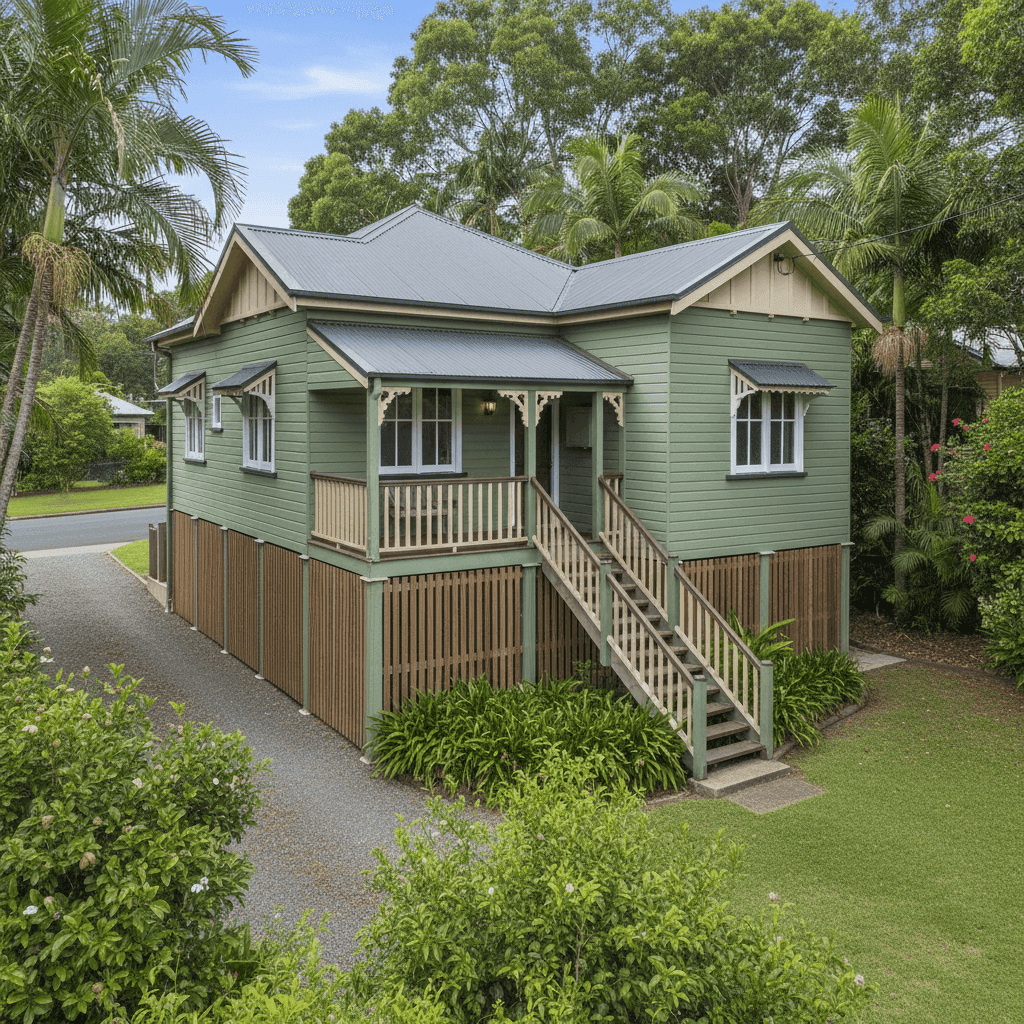
If you own a free standing home in Eatonsville, NSW 2460, you already know this part of the Northern Rivers region has a character all of its own — quiet, leafy, and dotted with older timber homes that carry real history. But that charm comes with some insurance considerations that are worth understanding before you sign on the dotted line.
This article breaks down a recent home and contents insurance quote for a 3-bedroom, 1-bathroom free standing home in Eatonsville, compares it against suburb, state, and national benchmarks, and offers practical tips to help you make the most informed decision possible.
---
Is This Quote Fair?
The quote in question comes in at $11,402 per year (or $1,093/month) for combined home and contents cover, with a building sum insured of $731,000 and contents valued at $50,000. Both the building and contents excess are set at $2,000.
Our price rating for this quote is Expensive — Above Average.
To put that in perspective: the average home and contents premium across Eatonsville sits at around $4,519 per year, with a median of $3,586. This quote is more than 2.5 times the suburb average and over three times the suburb median. Even compared to the NSW state average of $9,528 per year, this quote is notably higher.
That said, premium outliers do exist for legitimate reasons — and in this case, several property-specific factors help explain the gap. It's still worth shopping around, but understanding why the price is elevated is the first step.
---
How Eatonsville Compares
Here's a snapshot of how premiums stack up across different levels:
| Benchmark | Average Premium | Median Premium |
|---|---|---|
| Eatonsville (NSW 2460) | $4,519/yr | $3,586/yr |
| New South Wales | $9,528/yr | $3,770/yr |
| National | $5,347/yr | $2,764/yr |
| Richmond Valley LGA | $41,437/yr | — |
A few things stand out here. First, the Richmond Valley LGA average of $41,437 is extraordinarily high — likely skewed by a small number of very high-risk or high-value properties in the area, including flood-affected and rural holdings. This quote, while above the suburb average, is well below that LGA figure.
Second, the wide gap between NSW's average ($9,528) and its median ($3,770) tells us that the state has a long tail of expensive properties pulling the average up — which is consistent with what we see in flood-prone and older housing stock areas of regional NSW.
The suburb sample size of 11 quotes is relatively small, so the Eatonsville averages should be treated as a guide rather than a definitive benchmark. With only 11 data points, a few high-value quotes can shift the average significantly.
---
Property Features That Affect Your Premium
Several characteristics of this property are likely contributing to the elevated premium. Let's walk through them:
Age of Construction (1930)
At nearly 100 years old, this home predates modern building codes by decades. Older homes are statistically more likely to have ageing electrical wiring, plumbing, and structural elements that increase the risk of fire, water damage, and structural failure. Insurers price this risk in.
Weatherboard Timber Walls
Weatherboard construction is common across regional NSW and has a certain timeless appeal — but timber is more susceptible to fire, rot, and termite damage than brick or rendered masonry. This typically results in higher premiums compared to brick-veneer or double-brick homes of similar size.
Elevated on Poles (At Least 1 Metre)
Being elevated on poles is a double-edged sword. On one hand, it can reduce flood inundation risk to the main living areas. On the other hand, the subfloor space, stumps, and bearers introduce additional structural exposure, and some insurers treat elevated homes as higher risk overall — particularly in areas with known flood or storm history.
Steel/Colorbond Roof
This is actually a positive factor. Colorbond roofing is durable, fire-resistant, and low-maintenance compared to older materials like fibro or terracotta tiles. It may help moderate the premium slightly, even if other factors push it higher.
Timber/Laminate Flooring
Timber floors in an older elevated home can be expensive to repair or replace after water ingress or structural movement. This is a minor but real factor in the overall risk profile.
Building Sum Insured: $731,000
The sum insured is a significant driver of any premium. At $731,000, this is a substantial coverage amount for a 130 sqm home — though rebuilding costs in regional NSW, particularly for older timber homes with non-standard construction, can be genuinely high. It's worth reviewing whether this figure accurately reflects current rebuild costs (not market value) using a building calculator.
---
Tips for Homeowners in Eatonsville
1. Review Your Sum Insured Carefully
Make sure your building sum insured reflects the actual cost to rebuild, not the market value of your property. Over-insuring pushes your premium up unnecessarily, while under-insuring leaves you exposed. Use an independent building cost estimator or speak with a local builder to get a realistic figure for a 130 sqm weatherboard home in this area.
2. Compare Multiple Quotes
Given that this quote is rated as expensive relative to suburb averages, it's well worth comparing quotes from multiple insurers. Premiums for the same property can vary by thousands of dollars between providers, especially for older or non-standard construction homes.
3. Ask About Flood and Storm Cover
Eatonsville and the broader Richmond Valley area have a well-documented history of flooding and severe weather events. Make sure your policy explicitly includes flood cover — not all standard policies do. Check the Product Disclosure Statement (PDS) carefully and confirm whether storm surge, flash flooding, and riverine flooding are all covered.
4. Consider Your Excess Strategy
This quote carries a $2,000 excess on both building and contents. Opting for a higher excess is one of the most straightforward ways to reduce your annual premium. If you have sufficient savings to cover a higher out-of-pocket cost in the event of a claim, increasing your excess to $3,000 or $5,000 could meaningfully reduce what you pay each year.
---
Ready to Find a Better Rate?
Whether this quote is the right fit or you're looking for something more competitive, the best move is to compare. At CoverClub, we make it easy to see how your property stacks up and explore options from multiple insurers — all in one place.
Get a home insurance quote for your Eatonsville property →
You can also explore detailed premium data for your area on the Eatonsville suburb stats page, or browse NSW-wide insurance data and national benchmarks to get the full picture.