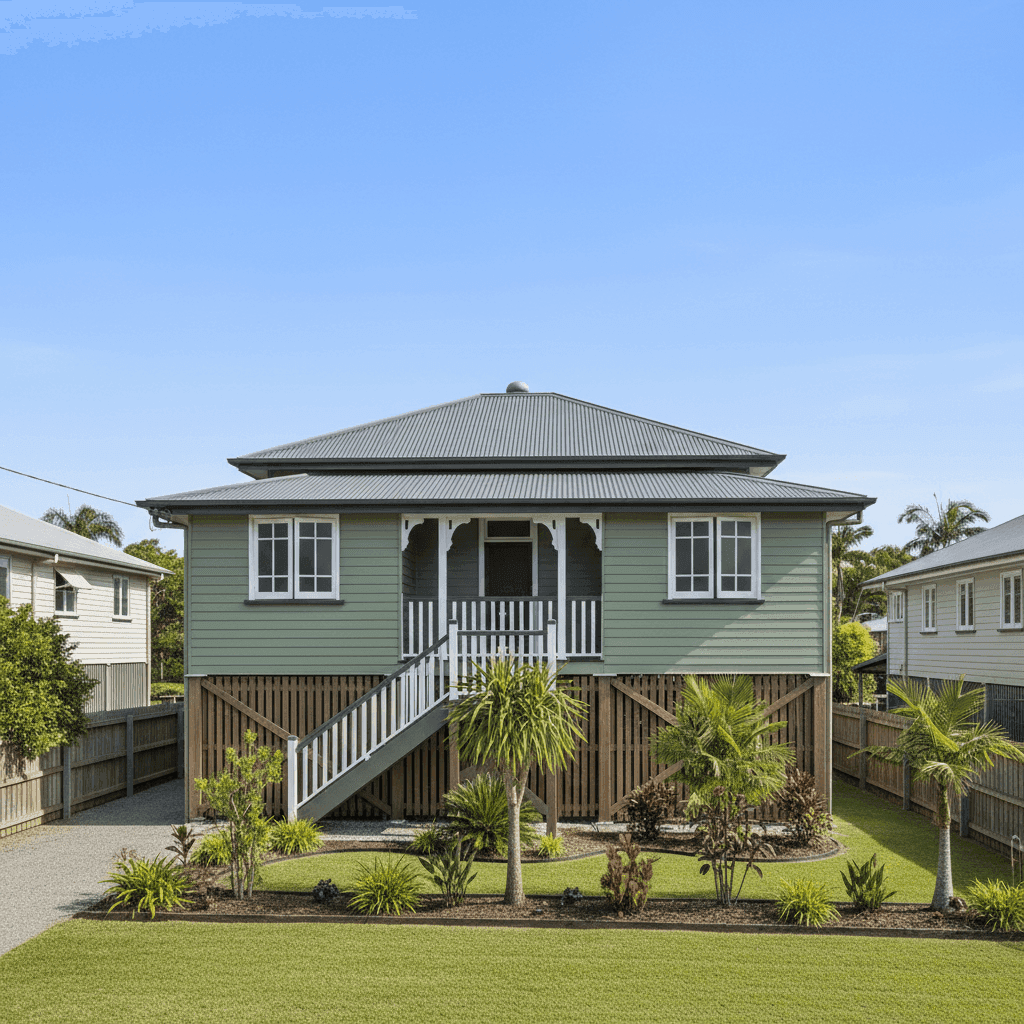
Edmonton is a well-established residential suburb sitting on the southern fringe of Cairns in Far North Queensland. It's the kind of place where you'll find solid, older homes on generous blocks — many of them classic Queensland-style timber dwellings that have weathered decades of tropical summers. This article takes a close look at a recent building insurance quote for a 3-bedroom, 1-bathroom free standing home in Edmonton (postcode 4869), breaking down whether the premium is competitive, what's driving the cost, and what local homeowners can do to keep their insurance spend in check.
---
Is This Quote Fair?
The quote in question comes in at $6,808 per year (or $652/month) for building-only cover on a home insured for $603,000, with a $1,000 building excess.
Our price rating for this quote is Expensive — Above Average.
To put that in context, the suburb average for Edmonton sits at $4,406/yr, with a median of $3,968/yr. This quote lands well above both figures — and even above the suburb's 75th percentile of $5,543/yr. In other words, roughly three-quarters of comparable quotes in the area came in cheaper.
That said, "expensive" is relative in Far North Queensland. The QLD state average is $9,129/yr (though the median is a more representative $3,903/yr, reflecting a wide spread of premiums across the state). The Cairns LGA average is a striking $12,404/yr — so while this quote is above the Edmonton suburb average, it's considerably below what many Cairns-area homeowners are paying.
The bottom line: this quote is on the higher end for Edmonton specifically, but it's not out of step with what insurers charge for properties in cyclone-prone parts of Queensland. There's still room to shop around.
---
How Edmonton Compares
Understanding where Edmonton sits in the broader insurance landscape helps frame what's reasonable to expect.
| Benchmark | Average Premium | Median Premium |
|---|---|---|
| Edmonton (suburb) | $4,406/yr | $3,968/yr |
| Queensland (state) | $9,129/yr | $3,903/yr |
| National | $5,347/yr | $2,764/yr |
| Cairns LGA | $12,404/yr | — |
A few things stand out here. First, the national median of $2,764/yr is dramatically lower than what Edmonton homeowners typically pay — a clear signal that Far North Queensland's cyclone exposure adds a meaningful loading to premiums. Second, the gap between the QLD average ($9,129) and the QLD median ($3,903) is enormous, which reflects the extreme premiums paid in high-risk coastal and tropical areas dragging the average upward. Edmonton's suburb median of $3,968 is actually close to the state median, suggesting the suburb as a whole is reasonably priced — but individual properties can vary significantly depending on their specific risk profile.
For a more detailed breakdown of local pricing trends, visit the Edmonton suburb stats page.
---
Property Features That Affect Your Premium
Several characteristics of this particular property are likely contributing to a higher-than-average premium. Here's what insurers are paying close attention to:
Cyclone Risk Area
This is the single biggest factor. Edmonton falls within a designated cyclone risk zone, and insurers price this in heavily. Cyclone cover — including storm surge, wind damage, and associated flooding — adds a significant loading that homeowners in southern states simply don't face. There's no way around this if you live in Far North Queensland.
Weatherboard Timber Walls
Weatherboard wood construction is common in older Queensland homes and has a certain charm, but insurers view it as higher risk than brick or concrete. Timber is more susceptible to fire, termite damage, and wind-driven rain penetration — all of which can drive up rebuild costs and, by extension, premiums.
Stump Foundation
Homes on stumps (also called "high-set" homes) are a Queensland icon, but they present unique risks. The sub-floor space can be vulnerable to flooding, pests, and structural movement over time. Insurers factor this into their assessment, particularly in areas with heavy rainfall.
Construction Year (1975)
At approximately 50 years old, this home predates many modern building codes — including updated cyclone-resistant construction standards introduced after Cyclone Tracy in 1974 and further refined in subsequent decades. Older homes may require more expensive repairs and are often assessed as higher risk.
Sum Insured ($603,000)
The building is insured for $603,000, which is a substantial sum for a 130 sqm home. However, rebuild costs in regional Queensland — especially in areas with limited local trades and high material transport costs — can be genuinely high. It's worth reviewing your sum insured regularly to ensure it reflects current construction costs rather than market value.
Ducted Climate Control
The presence of ducted air conditioning adds to the insured value of the home. This system is expensive to replace and is factored into the overall sum insured and premium calculation.
---
Tips for Homeowners in Edmonton
If you're looking to bring your premium down — or at least make sure you're getting value for money — here are some practical steps worth considering:
- Shop around every year. Insurer pricing models vary considerably, and loyalty doesn't always pay. Use a comparison tool like CoverClub to get multiple quotes side by side and see where the market sits for your specific property.
- Review your sum insured carefully. Over-insuring your home means you're paying a premium on value you'd never actually claim. Use a building cost calculator (many insurers provide one) to check whether $603,000 accurately reflects your home's rebuild cost — not its market value.
- Consider a higher excess. Increasing your excess from $1,000 to $2,500 or more can meaningfully reduce your annual premium. This works well if you have the financial buffer to cover a larger out-of-pocket cost in the event of a claim.
- Ask about cyclone mitigation discounts. Some insurers offer reduced premiums for homes that have undergone cyclone-proofing upgrades — such as roof tie-down straps, cyclone shutters, or reinforced doors. If your home has had any of these improvements, make sure your insurer knows about them.
---
Ready to Compare?
Whether you're renewing your policy or shopping for the first time, it pays to see the full picture. CoverClub makes it easy to compare building insurance quotes for homes in Edmonton and across Queensland — so you can make an informed decision rather than just accepting the first number that lands in your inbox.
Get a quote today at CoverClub and find out what the market is really offering for your home.