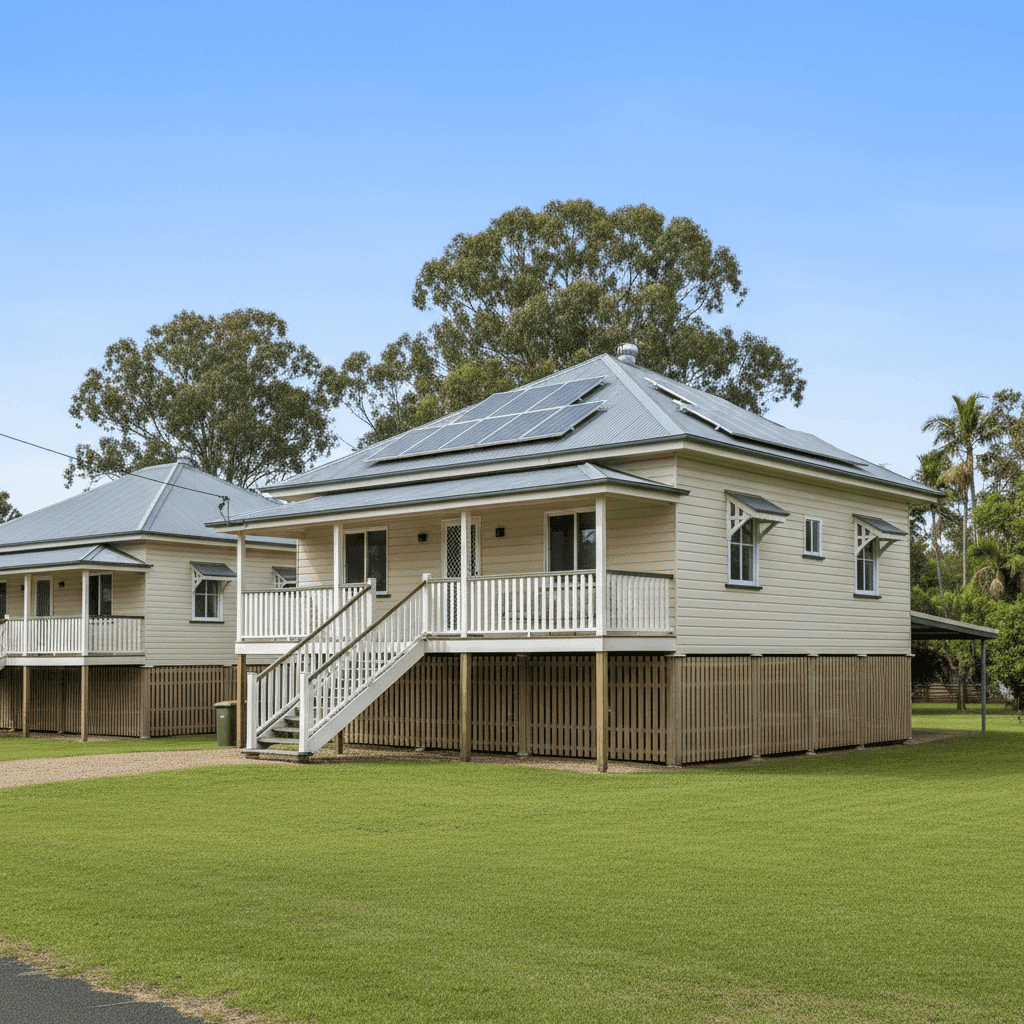
Eidsvold is a quiet rural township in Queensland's North Burnett region, and like many regional properties across the state, homes here carry a unique mix of risk factors and cost considerations when it comes to insurance. This article breaks down a real home and contents insurance quote for a three-bedroom semi detached property in Eidsvold (QLD 4627) — and puts the numbers into context so you can understand whether you're getting a fair deal.
---
Is This Quote Fair?
The annual premium for this property came in at $1,916 per year (or $184/month), covering both building and contents with a sum insured of $680,000 on the building and $50,000 on contents. Both the building and contents excess are set at $1,000 each.
Based on our pricing data, this quote is rated CHEAP — meaning it sits well below the average for comparable properties in the Eidsvold area. Specifically, it comes in around 23% below the suburb average of $2,487/year and just under the suburb's 25th percentile of $2,099/year. In plain terms, roughly three-quarters of similar quotes in the area cost more than this one.
For homeowners, that's a meaningful saving. On an annual basis, you'd be paying over $570 less than the typical Eidsvold policyholder — and that gap compounds over time. That said, cheapest isn't always best; it's worth confirming the policy includes the cover features you actually need, such as storm damage, flood, and contents away from home.
---
How Eidsvold Compares
To understand whether this quote is genuinely competitive, it helps to zoom out and look at the broader pricing landscape. Here's how Eidsvold stacks up:
| Benchmark | Premium |
|---|---|
| This Quote | $1,916/yr |
| Eidsvold Suburb Average | $2,487/yr |
| Eidsvold Suburb Median | $2,423/yr |
| North Burnett LGA Average | $3,254/yr |
| QLD State Average | $4,547/yr |
| National Average | $2,965/yr |
A few things stand out here. First, Eidsvold's local suburb average of $2,487/year is actually well below both the state and national averages — which is somewhat unusual for Queensland, a state notorious for elevated premiums driven by flood, cyclone, and storm risk. Eidsvold's position in inland Queensland, away from cyclone-prone coastal zones, likely contributes to this relative affordability.
Second, the Queensland state average of $4,547/year is a stark reminder of just how expensive home insurance can be elsewhere in the state. Coastal and far-north Queensland properties routinely attract much higher premiums due to tropical weather exposure. By comparison, Eidsvold homeowners are in a relatively favourable position.
At a national level, the average premium sits at $2,965/year — still significantly higher than what this Eidsvold quote came in at. It's worth noting the North Burnett LGA average of $3,254/year is higher than the suburb average, suggesting that some other postcodes within the LGA carry more risk or attract pricier quotes.
Our suburb data is based on a sample of 33 quotes in the Eidsvold area, which provides a reasonable basis for comparison.
---
Property Features That Affect Your Premium
Several characteristics of this property are worth understanding from an insurance perspective:
Weatherboard timber walls and timber flooring Weatherboard wood is a classic construction material in older Queensland homes, but it does carry a higher fire risk than brick or rendered masonry. Insurers typically factor this in when pricing premiums. Similarly, timber and laminate flooring can be more susceptible to water damage, which may influence how claims are assessed.
Steel/Colorbond roof On the positive side, a Colorbond steel roof is generally viewed favourably by insurers. It's durable, low-maintenance, and performs well in high-wind conditions — an important consideration even outside of cyclone zones, where storm cells can still cause significant damage.
Pole/stump foundation (elevated less than 1m) The property sits on a pole or stump foundation, elevated by less than one metre. This style of construction — common in older Queensland homes — can offer some protection against minor flooding or moisture, though it also introduces specific risks such as subfloor decay or pest damage that may not always be covered under standard policies.
Construction year: 1965 At over 60 years old, this home is considered an older dwelling. Older properties can attract higher premiums due to the cost of replacing period-appropriate materials and the potential for outdated wiring or plumbing. It's worth checking whether your policy covers like-for-like replacement or modern equivalent.
Solar panels The presence of solar panels adds value that needs to be accounted for in your sum insured. Many standard policies cover solar panels as part of the building, but it's worth confirming this with your insurer — particularly for damage caused by storms or hail.
No pool, no ducted climate control, not in a cyclone risk zone The absence of a pool and ducted air conditioning simplifies the risk profile slightly, and the property's location outside a designated cyclone risk area is a meaningful premium advantage in Queensland.
---
Tips for Homeowners in Eidsvold
1. Review your sum insured regularly With a building sum insured of $680,000, it's important to ensure this reflects current rebuilding costs — not market value. Construction costs have risen significantly in recent years, and being underinsured can leave you out of pocket after a claim. Consider getting a building replacement cost estimate every two to three years.
2. Check your flood and storm cover Even though Eidsvold is not in a cyclone zone, inland Queensland properties can be affected by severe storms and localised flooding. Review your policy's Product Disclosure Statement (PDS) carefully to understand what weather-related events are covered and whether flood cover is included or optional.
3. Protect your weatherboard exterior Timber weatherboard homes require regular maintenance to stay insurable and structurally sound. Keep paintwork in good condition to prevent moisture ingress, and check for signs of rot or termite activity — particularly around the subfloor and stumps. Some insurers may reduce cover or increase premiums if a property is not well-maintained.
4. Compare quotes before renewing Even if your current premium is already below average, insurers regularly adjust their pricing. What's competitive today may not be next year. Using a comparison platform like CoverClub at renewal time ensures you're not paying more than you need to.
---
Ready to Compare Home Insurance in Eidsvold?
Whether you're a first-time buyer or a long-time homeowner, comparing quotes is one of the simplest ways to make sure you're not overpaying. CoverClub makes it easy to see real quotes side by side, tailored to your property's specific features and location.
Get a home insurance quote for your Eidsvold property today — it only takes a few minutes, and you might be surprised at what you could save.