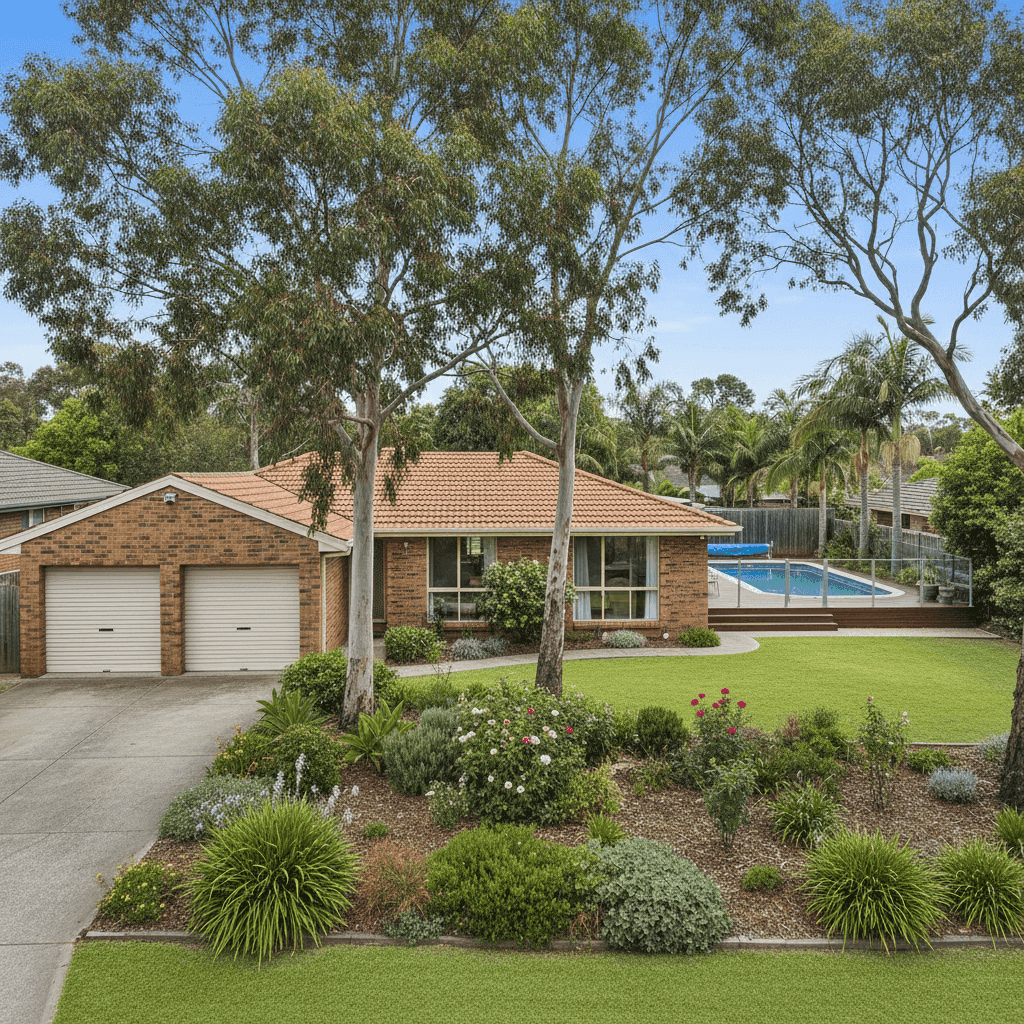
Eleebana is a leafy, lake-side suburb in the Lake Macquarie local government area of New South Wales — a popular spot for families drawn to its quiet streets, proximity to Lake Macquarie, and easy access to Newcastle. If you own a free-standing home here, you already know the lifestyle is hard to beat. But how does home insurance pricing stack up for properties in this part of the Hunter region? We've analysed a real quote for a 4-bedroom, 2-bathroom brick veneer home in Eleebana to give you a clear picture of what you might expect to pay — and whether the price is genuinely competitive.
---
Is This Quote Fair?
The quote in question comes in at $3,482 per year (or $336/month) for a combined home and contents policy, covering a building sum insured of $795,000 and contents valued at $120,000. Both the building and contents excess sit at $1,000.
Our price rating for this quote is FAIR — Around Average, which is actually a solid outcome when you dig into the numbers.
To put it in context: the suburb average for Eleebana sits at $4,850 per year, with a median of $4,093. This quote lands below both of those figures, coming in closer to the 25th percentile of $3,439 — meaning it's cheaper than roughly three-quarters of quotes we've seen for this postcode. That's a meaningful saving compared to what many Eleebana homeowners are paying.
At the NSW state level, the average annual premium is a notably high $9,528, though the state median is a more moderate $3,770 — a gap that reflects the outsized influence of high-risk coastal and flood-prone areas across New South Wales. Against the state median, this quote is slightly above average, but well below the mean.
Nationally, the average home insurance premium is $5,347 per year, with a median of $2,764. So while this quote sits above the national median, it's comfortably below the national average — a reasonable outcome for a well-appointed 4-bedroom home with a pool in a desirable lakeside suburb.
---
How Eleebana Compares
Here's a quick snapshot of how premiums compare across different benchmarks:
| Benchmark | Annual Premium |
|---|---|
| This Quote | $3,482 |
| Eleebana Suburb Average | $4,850 |
| Eleebana Suburb Median | $4,093 |
| Eleebana 25th Percentile | $3,439 |
| Eleebana 75th Percentile | $6,137 |
| NSW State Average | $9,528 |
| NSW State Median | $3,770 |
| National Average | $5,347 |
| National Median | $2,764 |
| Lake Macquarie LGA Average | $11,064 |
One figure worth highlighting is the Lake Macquarie LGA average of $11,064 — significantly higher than both the suburb and state medians. This likely reflects the diversity of risk profiles across the broader LGA, which includes some lower-lying and flood-susceptible areas around the lake's edges. Eleebana itself appears to be priced more favourably than many of its LGA neighbours, which is worth keeping in mind when you're shopping around.
The suburb sample size of 36 quotes gives us a reasonable basis for comparison, though it's always worth getting multiple quotes to see where your specific property lands in the distribution.
---
Property Features That Affect Your Premium
Several characteristics of this property influence how insurers assess and price the risk:
Brick Veneer Construction Brick veneer is one of the most common external wall types in Australian suburban homes built from the 1970s through to the 1990s. Insurers generally view it favourably — it offers solid fire resistance and structural durability — which can help keep premiums in check compared to weatherboard or lightweight cladding.
Tiled Roof Terracotta or concrete tiles are considered a resilient roofing material and are typically associated with lower premiums than corrugated iron or colorbond in non-cyclone areas. Given that Eleebana is not classified as a cyclone risk area, the tile roof is a straightforward positive for pricing.
Slab Foundation A concrete slab foundation is standard for homes of this era and is generally well-regarded by insurers for its stability and resistance to subsidence, particularly in areas without significant reactive clay soils.
Swimming Pool The presence of a pool adds a layer of liability and replacement cost to the policy. Pools can increase premiums modestly, as they represent both a physical asset to insure and a potential liability risk. It's worth confirming your policy explicitly covers pool infrastructure, including pumps, filtration systems, and surrounding paving.
Ducted Climate Control Ducted air conditioning systems are a significant fixed asset within the home. For contents or building policies, it's important to ensure the sum insured adequately accounts for the cost of replacing or repairing this system, as ducted systems can run into the tens of thousands of dollars to replace.
Construction Year: 1989 A home built in 1989 is now over 35 years old. While well-maintained brick veneer homes of this era age gracefully, insurers may factor in the age of plumbing, electrical systems, and roofing materials. Keeping maintenance records and ensuring the home is well-maintained can support your claims history and potentially your renewal pricing.
Timber and Laminate Flooring Timber and laminate floors are a common feature in homes of this style and era. They're generally straightforward to insure but can be costly to repair or replace after water damage events, so it's worth checking your policy's water damage provisions carefully.
---
Tips for Homeowners in Eleebana
1. Review your sum insured regularly With building costs rising across NSW, the cost to rebuild a 214 sqm brick veneer home has increased substantially in recent years. An under-insured property can leave you significantly out of pocket after a major loss. Use a building cost calculator or speak to a quantity surveyor to validate your $795,000 sum insured is still accurate.
2. Check your pool is properly covered Not all policies cover pool infrastructure as standard. Confirm whether your policy includes the pool shell, equipment, and any associated structures like a cabana or pool fence. Some insurers treat these as optional extras.
3. Consider the impact of your excess A $1,000 excess on both building and contents is fairly standard, but increasing your excess is one of the simplest ways to reduce your annual premium. If you have a good claims history and sufficient savings to cover a higher out-of-pocket cost, bumping the excess to $2,000 or more can deliver meaningful savings at renewal.
4. Compare quotes before renewing Loyalty doesn't always pay in insurance. With a suburb average of $4,850 and this quote sitting at $3,482, there's clearly a wide spread of pricing in Eleebana. Shopping around at renewal — rather than simply accepting the rollover price — is one of the most effective ways to keep your premium competitive year after year.
---
Ready to Compare Home Insurance in Eleebana?
Whether you're a first-time buyer or a long-time Eleebana resident reviewing your current cover, comparing multiple quotes is the smartest way to make sure you're not overpaying. At CoverClub, we make it easy to see real quotes side by side so you can make a confident, informed decision. Get a quote today and find out where your home sits in the market.