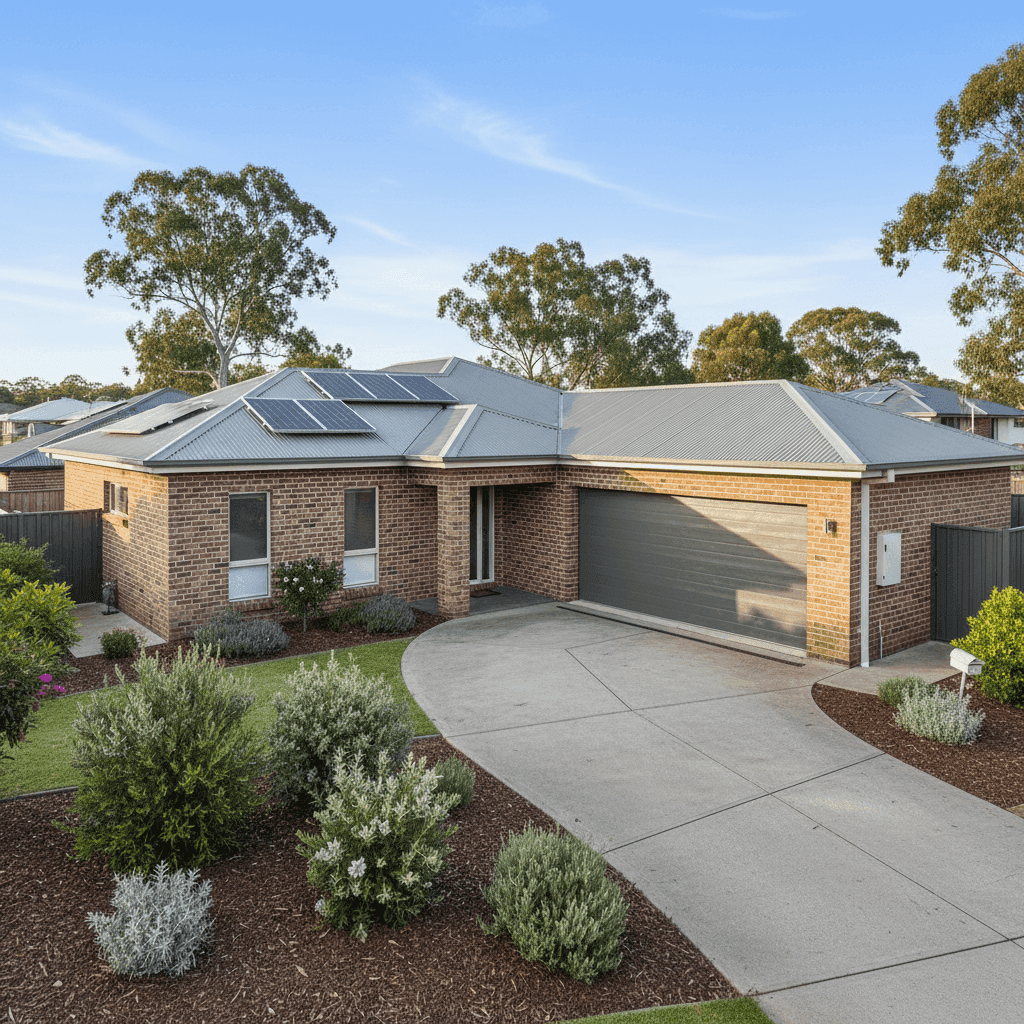
Eleebana is a leafy, lakeside suburb on the western shores of Lake Macquarie in New South Wales — a popular spot for families drawn to its quiet streets, waterfront lifestyle, and proximity to Newcastle. If you own a free standing home here, understanding what you should be paying for home and contents insurance is an important step in protecting one of your most valuable assets. This article breaks down a real insurance quote for a four-bedroom, two-bathroom home in Eleebana, and puts it into context against local, state, and national benchmarks.
---
Is This Quote Fair?
The quote in question comes in at $3,612 per year (or $346 per month) for combined home and contents cover, with a building sum insured of $816,000 and contents valued at $50,000. Both the building and contents excess are set at $1,000.
Our price rating for this quote is FAIR — Around Average, and the data backs that up. Based on 36 quotes collected for Eleebana (postcode 2282), the suburb's 25th percentile sits at $3,439 per year — meaning this quote is only marginally above the cheapest quarter of the market. It's well under the suburb median of $4,093 and comfortably below the suburb average of $4,850.
In practical terms, this homeowner is paying less than most of their neighbours for equivalent cover. That's a reasonable outcome, though it's always worth checking whether the policy terms, inclusions, and limits are genuinely comparable before declaring a win.
---
How Eleebana Compares
To understand what "fair" really means here, it helps to zoom out and look at the broader picture.
| Benchmark | Premium |
|---|---|
| This Quote | $3,612/yr |
| Eleebana Suburb Average | $4,850/yr |
| Eleebana Suburb Median | $4,093/yr |
| Lake Macquarie LGA Average | $11,064/yr |
| NSW State Average | $9,528/yr |
| NSW State Median | $3,770/yr |
| National Average | $5,347/yr |
| National Median | $2,764/yr |
A few things stand out here. First, the NSW state average of $9,528 is dramatically higher than what Eleebana homeowners are typically paying — this is largely driven by high-risk postcodes across the state, including flood-prone inland areas and cyclone-exposed coastal regions in the north. The state median of $3,770 is a far more representative figure for the typical NSW homeowner, and this quote sits just below that mark.
The national average of $5,347 is also skewed upward by expensive markets in Queensland and Northern Australia. The national median of $2,764 suggests that, on a pure cost basis, Eleebana sits in the mid-to-upper range nationally — which reflects the relatively high rebuild costs in the Lake Macquarie region and the significant building sum insured on this property.
The Lake Macquarie LGA average of $11,064 looks alarming at first glance, but this figure is heavily influenced by high-value waterfront properties and homes in flood-affected areas within the broader LGA. Eleebana itself appears to be more favourably priced within that context.
---
Property Features That Affect Your Premium
Several characteristics of this property have a meaningful influence on the premium calculated.
Brick veneer construction with a Colorbond roof is generally viewed favourably by insurers. Brick veneer provides solid fire resistance and structural integrity, while steel Colorbond roofing is durable, low-maintenance, and performs well in storms — all factors that reduce the likelihood of a major claim. This combination typically attracts more competitive premiums compared to homes with timber cladding or older tile roofs.
Slab foundation is standard for homes of this era and region, and doesn't present the same subsidence or moisture risks associated with older pier-and-beam stumped foundations. This is a neutral-to-positive factor for insurers.
Timber and laminate flooring can be a consideration for contents and building cover, particularly in the event of water damage. Timber floors can be costly to repair or replace, so it's worth confirming your policy covers floor coverings adequately.
Solar panels are an increasingly common feature on Australian homes, and this property is no exception. It's important to check whether your policy explicitly covers solar panel systems — both for damage to the panels themselves and for any liability arising from installation. Some insurers include this automatically; others treat it as an optional add-on.
Ducted climate control adds to the replacement value of the home and is a factor in arriving at an accurate building sum insured. At $816,000, the sum insured here is substantial, which partly explains the premium level relative to more modestly valued properties.
Built in 1985, this home is around 40 years old. Older homes can carry slightly higher premiums due to the age of plumbing, electrical systems, and roofing materials — though a well-maintained property with modern upgrades can mitigate much of this risk.
---
Tips for Homeowners in Eleebana
1. Review your building sum insured regularly. Construction costs have risen sharply in recent years. A sum insured set several years ago may no longer reflect the true cost of rebuilding your home from scratch. Under-insurance is one of the most common — and costly — mistakes homeowners make. Use a building cost calculator or speak to a quantity surveyor to validate your figure annually.
2. Check your solar panel coverage explicitly. Don't assume your solar system is automatically covered under your building policy. Ask your insurer directly whether panels are included, what events are covered (storm, hail, fire, accidental damage), and whether there's a separate sub-limit that applies.
3. Shop around at renewal time. Insurance loyalty rarely pays. Insurers often offer their best prices to new customers, meaning long-standing policyholders can end up paying significantly more than necessary. Even if your current premium seems reasonable, it costs nothing to compare quotes at CoverClub before your renewal date.
4. Consider your excess carefully. Both the building and contents excess on this policy are set at $1,000. A higher excess generally reduces your premium, while a lower excess means less out-of-pocket cost at claim time. Think about what you could comfortably afford to pay in an emergency, and adjust your excess accordingly to find the right balance.
---
Compare Your Home Insurance Today
Whether you're a first-time buyer in Eleebana or a long-term local reassessing your cover, it pays to know where your premium sits relative to the market. CoverClub makes it easy to compare home and contents insurance quotes from a range of Australian insurers in one place. Get a quote today and see if you can do better than the suburb average — your wallet will thank you.
For more localised data on insurance costs in your area, explore the Eleebana suburb stats page or browse the NSW state overview to see how your postcode stacks up.