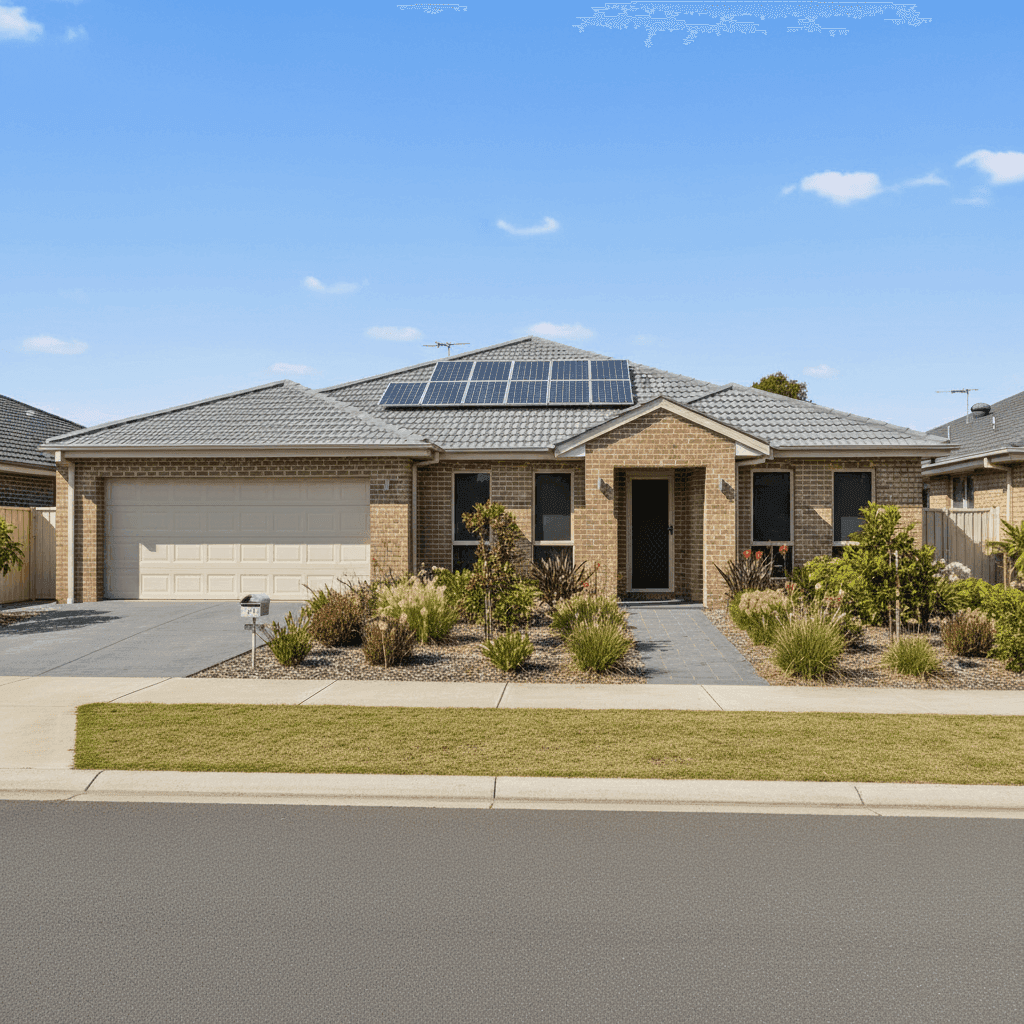
If you own a free standing home in Eli Waters, QLD 4655, you already know this corner of the Fraser Coast is a great place to live — relaxed lifestyle, proximity to the coast, and a strong sense of community. But when it comes to home insurance, knowing whether you're paying a fair price takes a little more digging. This article breaks down a real home and contents insurance quote for a four-bedroom, three-bathroom brick veneer home in Eli Waters, compares it against local, state, and national benchmarks, and offers practical tips to help you get better value on your cover.
---
Is This Quote Fair?
The quote in question comes in at $6,647 per year (or $636/month) for combined home and contents insurance, covering a building sum insured of $950,000 and contents valued at $230,000. The building excess is $3,000 and the contents excess is $500.
Our assessment: this premium is rated Expensive — above average for the Eli Waters area.
To put that in perspective, the suburb average premium for Eli Waters sits at just $2,758 per year, with a median of $2,266. This quote is more than 2.4 times the local average — a significant gap that warrants closer examination.
That said, context matters. The high building sum insured of $950,000 is a major driver here. Larger, higher-value homes naturally attract higher premiums because the insurer's potential payout in a total loss scenario is substantially greater. Combine that with top-of-the-range fittings and timber/laminate flooring — both of which increase rebuild costs — and the premium starts to make more sense, even if it still sits on the expensive side of the spectrum.
---
How Eli Waters Compares
Understanding where your suburb sits relative to broader markets is one of the most useful tools for evaluating any insurance quote. Here's how Eli Waters stacks up:
| Benchmark | Average Premium | Median Premium |
|---|---|---|
| Eli Waters (suburb) | $2,758/yr | $2,266/yr |
| Queensland (state) | $9,129/yr | $3,903/yr |
| Australia (national) | $5,347/yr | $2,764/yr |
(Based on 43 quotes sampled for the Eli Waters suburb.)
A few things stand out here. First, Queensland's state average of $9,129 is exceptionally high — well above the national average of $5,347. This reflects the elevated risk profile of much of Queensland, where cyclones, floods, and severe storms can drive premiums to extreme levels in higher-risk postcodes.
Eli Waters, however, tells a different story. The suburb's average and median premiums are both well below the Queensland state average, and even below the national average. This suggests that Eli Waters is considered a relatively lower-risk area within Queensland — which is good news for homeowners. The suburb's 25th percentile sits at $1,883/yr and the 75th percentile at $2,746/yr, meaning the vast majority of quotes in the area fall well below $3,000 annually.
At $6,647, this particular quote sits above the 75th percentile for the suburb — largely attributable to the high insured values and premium property features rather than geographic risk factors.
---
Property Features That Affect Your Premium
Several characteristics of this property directly influence the cost of insurance. Here's what's at play:
High sum insured. A building sum insured of $950,000 is substantial. This figure should reflect the full cost to rebuild the home from scratch — not its market value — and for a large, well-appointed home, that number can be high. Insurers price premiums as a proportion of the sum insured, so a higher figure will always result in a higher premium.
Top-of-the-range fittings. Premium kitchens, high-end bathrooms, and luxury fixtures all increase the cost to reinstate a home after a claim. Insurers factor in fittings quality when calculating risk, and top-tier fittings can meaningfully push up your annual cost.
Timber and laminate flooring. These materials are more expensive to replace than standard tiles or carpet, contributing to a higher rebuild estimate and, in turn, a higher premium.
Brick veneer construction. Brick veneer walls are generally viewed favourably by insurers — they offer good structural resilience and fire resistance compared to lightweight cladding. This likely has a moderating effect on the premium.
Concrete roof. Concrete tile roofs are durable and perform well in storms, which is a positive risk signal for insurers. Compared to older terracotta or metal roofing, concrete tiles can attract more competitive premiums.
Slab foundation. A concrete slab foundation is standard for modern Australian homes and is generally considered low-risk from an insurer's perspective — no subfloor space means reduced risk of moisture damage or pest ingress.
Solar panels. The property has solar panels installed, which adds a small amount of value to the building sum insured and may contribute marginally to the premium. It's worth confirming with your insurer that solar panels are explicitly covered under your policy.
Built in 2006. A home built in 2006 is relatively modern and would have been constructed under contemporary building codes. This is generally a positive factor — newer homes tend to have better structural integrity and lower maintenance risk than older properties.
---
Tips for Homeowners in Eli Waters
Whether you're reviewing an existing policy or shopping for new cover, these practical steps can help you manage your home insurance costs without compromising on protection.
1. Double-check your sum insured. Over-insurance is more common than you might think. If your building sum insured is higher than what it would actually cost to rebuild your home, you're paying more than you need to. Use a reputable building cost calculator — many insurers provide one — or consult a quantity surveyor to get an accurate estimate. Conversely, underinsurance can leave you seriously out of pocket after a major claim, so accuracy is key.
2. Compare quotes from multiple insurers. Premiums for the same property can vary enormously between insurers. The CoverClub quote comparison tool makes it easy to see multiple options side by side, so you're not locked into the first price you're offered. Given that this quote is above the local average, there's a real chance a comparable policy is available at a lower price.
3. Review your excess settings. The building excess on this policy is $3,000 — which is on the higher side. While a higher excess generally reduces your premium, it also means more out-of-pocket costs when you do make a claim. Consider whether the premium saving justifies the excess level, particularly for the building component.
4. Confirm your solar panels are covered. With solar panels installed, it's worth reading the fine print of any policy carefully. Some insurers include solar panels as part of the building cover automatically; others require them to be listed separately or may have specific exclusions. Make sure you're not left with a gap in cover for what could be a significant asset.
---
Ready to Find a Better Deal?
If this quote feels high — and relative to the Eli Waters suburb average, it is — it's worth taking the time to compare your options. At CoverClub, we help Australian homeowners make sense of their insurance costs and find policies that genuinely match their needs. Get a home insurance quote today and see how much you could save. You can also explore the latest home insurance data for Eli Waters to benchmark any quote you receive.