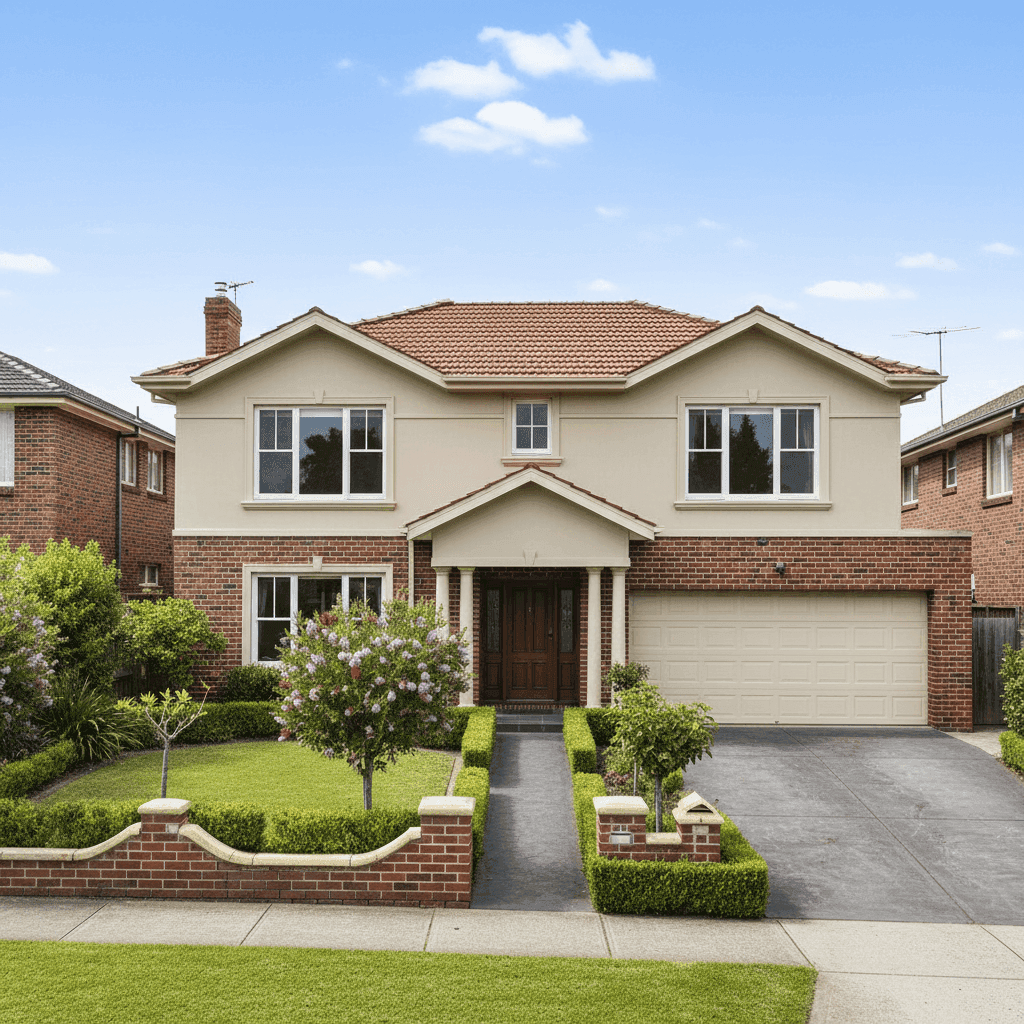
Elsternwick is one of Melbourne's most sought-after inner-south suburbs — a leafy, character-rich pocket of Port Phillip known for its Federation and interwar architecture, strong café culture, and proximity to the bay. But tucked among those heritage streetscapes are plenty of more modern homes, including free standing properties built in the late 1990s that offer solid construction and contemporary layouts. If you own one of these homes, understanding what you should be paying for insurance is just as important as knowing what your home is worth.
This article breaks down a real home and contents insurance quote for a 3-bedroom, 2-bathroom free standing home in Elsternwick, comparing the premium against local, state, and national benchmarks so you can judge whether you're getting a fair deal.
---
Is This Quote Fair?
The quote in question comes in at $1,215 per year (or roughly $121 per month) for combined home and contents cover — $600,000 building sum insured and $100,000 for contents. Our price rating for this quote is CHEAP, meaning it sits well below the average for the area.
To put that in perspective: the suburb average premium in Elsternwick is $1,928 per year, and the median sits at $1,873. Even the cheapest quartile of quotes in the suburb (the 25th percentile) comes in at $1,574 — still $359 more expensive than this quote. That's a meaningful saving, and it suggests the policyholder has either found a genuinely competitive insurer, benefited from favourable property characteristics, or both.
In short: yes, this quote is fair — it's actually better than fair. It represents strong value relative to what most Elsternwick homeowners are paying.
---
How Elsternwick Compares
Zooming out beyond the suburb, the value of this quote becomes even clearer. Here's how Elsternwick stacks up against broader benchmarks:
| Benchmark | Average Premium |
|---|---|
| This quote | $1,215/yr |
| Elsternwick (3185) suburb average | $1,928/yr |
| LGA average (Port Phillip) | $2,943/yr |
| Victoria state average | $2,921/yr |
| National average | $2,965/yr |
A few things stand out here. First, Elsternwick's suburb average of $1,928 is notably lower than both the Port Phillip LGA average ($2,943) and the Victorian state average ($2,921) — suggesting the suburb itself enjoys relatively favourable risk conditions compared to other parts of the same council area and state. This could reflect lower flood exposure, a more consistent building stock, or competitive insurer pricing in the postcode.
Second, the gap between the national average ($2,965) and this specific quote ($1,215) is extraordinary — a difference of over $1,750 per year. Even accounting for differences in property size and sum insured across the comparison pool, this quote is performing exceptionally well.
Based on a sample of 35 quotes from the Elsternwick area, the interquartile range runs from $1,574 to $2,203, meaning 50% of homeowners in this suburb are paying somewhere in that band. This quote falls well outside that range on the lower end — a genuine outlier in the best possible way.
---
Property Features That Affect Your Premium
Insurance premiums aren't arbitrary — they're calculated based on a detailed picture of your property. Several features of this home work in the owner's favour:
Double Brick Construction Double brick external walls are among the most favoured building materials from an insurer's perspective. They offer excellent fire resistance, structural integrity, and durability. Compared to weatherboard or clad homes, double brick properties typically attract lower premiums because they're less susceptible to storm, fire, and impact damage.
Tiled Roof A tiled roof is considered a low-to-moderate risk roofing material. While tiles can crack under hail impact, they're far more resilient than corrugated iron in fire-prone areas and generally have a long lifespan when well-maintained. Insurers tend to price tiled roofs favourably compared to older materials like fibrous cement or asbestos sheeting.
Slab Foundation A concrete slab foundation is the standard for homes of this era and is generally considered low-risk from an insurance perspective. It eliminates the subfloor cavity risks associated with older stumped or timber-framed foundations (such as termite damage or subfloor flooding), which can inflate premiums on heritage properties.
Built in 1999 The construction year matters more than many homeowners realise. A home built in 1999 benefits from building codes that mandated improved structural standards, particularly around wind resistance and fire safety. It's also recent enough that major systems (roofing, plumbing, electrical) are unlikely to be at end-of-life, which reduces the risk profile for insurers.
No Pool, No Solar Panels Both swimming pools and solar panel systems can add complexity — and cost — to a home insurance policy. Pools increase liability exposure, while solar panels add replacement cost and roof penetration risk. The absence of both keeps this policy straightforward and helps contain the premium.
Ducted Climate Control Ducted air conditioning is a fixed installation that forms part of the building sum insured. It's worth confirming your building coverage adequately accounts for the replacement cost of this system, particularly as ducted systems can cost $10,000–$20,000 or more to replace.
---
Tips for Homeowners in Elsternwick
Whether you're reviewing an existing policy or shopping for a new one, here are four practical tips tailored to homeowners in this part of Melbourne:
- Review your building sum insured annually. Construction costs in Melbourne have risen sharply in recent years. A $600,000 building sum insured may have been adequate when the policy was first written, but with labour and materials costs increasing, it's worth checking whether that figure still reflects the true cost of rebuilding your home from scratch — not its market value.
- Don't overlook the excess structure. This quote carries a $3,000 building excess and a $500 contents excess. A higher building excess is one of the most effective ways to reduce your annual premium, but make sure you could comfortably cover that amount out of pocket in the event of a claim. If cash flow is a concern, a lower excess with a slightly higher premium may be more appropriate.
- Compare quotes at renewal, not just when you first buy. Insurance markets shift. The insurer that offered the best rate three years ago may not be the most competitive today. Using a comparison platform like CoverClub at each renewal ensures you're not paying a loyalty tax for sticking with the same provider.
- Check your contents coverage reflects reality. $100,000 in contents cover sounds like a lot, but it can disappear quickly when you account for furniture, appliances, clothing, electronics, and jewellery. Do a rough room-by-room inventory every couple of years to make sure you're not underinsured — a common and costly mistake.
---
Find Your Best Rate with CoverClub
Whether this quote is yours or you're simply researching what home insurance should cost in Elsternwick, the best way to ensure you're not overpaying is to compare. CoverClub aggregates real quotes from across the Australian market so you can see exactly where your premium sits relative to your neighbours and the broader market.
Get a home insurance quote for your Elsternwick property today — it takes just a few minutes and could save you hundreds of dollars a year.