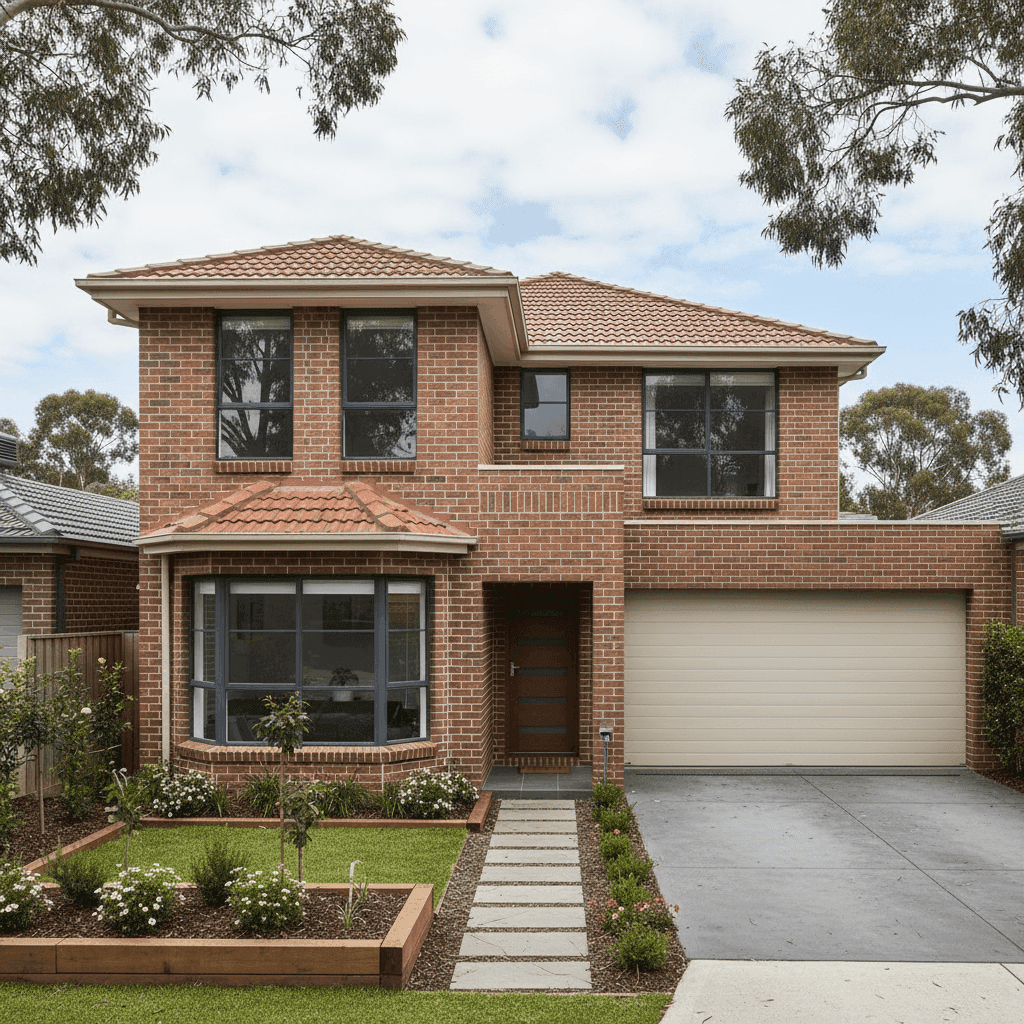
Epping is one of Melbourne's fastest-growing northern suburbs, and with that growth comes an increasing number of townhouses dotting its streets. If you own a three-bedroom townhouse in Epping and you're trying to make sense of your home insurance premium, you're in the right place. This article breaks down a real home and contents quote for a property in this postcode — and puts the numbers into context so you can decide whether you're getting a fair deal.
---
Is This Quote Fair?
The quote in question is $1,473 per year (or roughly $154 per month) for combined home and contents cover on a 3-bedroom, 2-bathroom townhouse in Epping, VIC 3076. The building is insured for $576,000 and contents for $50,000, with a building excess of $3,000 and a contents excess of $1,000.
Our price rating for this quote is FAIR — Around Average.
That assessment holds up when you look at the local data. The suburb average premium for Epping sits at $1,700 per year, and the median is $1,511 per year, based on 68 quotes collected for this postcode. At $1,473, this quote lands just below the suburb median — meaning roughly half of comparable properties in the area are paying more. It's not a bargain-basement price, but it's a solid result that sits comfortably within the normal range for the area.
It's also worth noting that the building excess is on the higher side at $3,000. A higher excess typically reduces your annual premium, so part of the reason this quote looks competitive is that the policyholder is accepting more out-of-pocket risk in the event of a claim. If you'd prefer a lower excess, expect the annual premium to rise accordingly.
---
How Epping Compares
One of the most reassuring things about this quote is how well Epping stacks up against broader benchmarks.
| Benchmark | Average Premium |
|---|---|
| Epping (suburb) | $1,700 / yr |
| Whittlesea LGA | $1,774 / yr |
| Victoria (state) | $3,000 / yr |
| National | $5,347 / yr |
The numbers tell a clear story. Epping homeowners are paying significantly less than the Victorian state average of $3,000 per year, and a fraction of the national average of $5,347 per year. The national figure is heavily influenced by high-risk regions — particularly cyclone-prone areas of Queensland and Western Australia, and flood-affected communities in northern NSW — which can push averages well above what most Melbourne homeowners would expect to pay.
Within the Whittlesea local government area, Epping's suburb average of $1,700 is slightly below the LGA average of $1,774, suggesting the postcode is considered a relatively lower-risk pocket within the broader council area.
The interquartile range for Epping premiums runs from $1,275 at the 25th percentile to $1,852 at the 75th percentile. This quote at $1,473 falls within that middle band — a good sign that it's priced in line with what the market is offering for similar properties.
---
Property Features That Affect Your Premium
Several characteristics of this particular townhouse work in the owner's favour from an insurance pricing perspective.
Double brick construction is generally viewed positively by insurers. Brick walls are more resistant to fire, wind, and general wear than timber-framed or clad alternatives, which can translate to lower rebuild risk and, in many cases, a more competitive premium.
A tiled roof is another favourable feature. Tiles are durable, fire-resistant, and widely used across Melbourne's established and newer suburbs. They tend to attract better pricing than older materials like asbestos sheeting or corrugated iron in poor condition.
Slab foundation is the standard for properties built in this era and is well-regarded by insurers for its stability and low maintenance risk compared to older pier-and-beam foundations.
Built in 2009, this townhouse is relatively modern — old enough to have settled, but young enough to avoid the costly repair issues associated with ageing infrastructure. Newer builds often benefit from compliance with more recent building codes, which can reduce structural risk.
Ducted climate control is worth noting as a contents or fixtures consideration. While it adds value to the property, it's typically covered under the building sum insured rather than contents, so it's important to ensure your building sum insured reflects the full cost of reinstating systems like this.
There's no pool and no solar panels on this property, which keeps things straightforward. Both of those additions can introduce additional liability or replacement cost considerations that may nudge premiums upward.
---
Tips for Homeowners in Epping
1. Review your building sum insured regularly. At $576,000 for a 153 sqm townhouse, the sum insured works out to approximately $3,765 per square metre. Construction costs in Melbourne have risen sharply in recent years, so it's worth checking that this figure still reflects a realistic full rebuild cost — including demolition, professional fees, and any upgrades required to meet current building codes. Underinsurance is one of the most common and costly mistakes homeowners make.
2. Consider whether your excess is right for you. The $3,000 building excess on this policy is relatively high. While it reduces your annual premium, it means you'd need to fund the first $3,000 of any building claim yourself. If an unexpected event like storm damage or a burst pipe occurred, that could be a significant out-of-pocket cost. Compare quotes with a lower excess to see whether the premium difference is worth it for your financial situation.
3. Don't overlook contents coverage. $50,000 in contents cover is a starting point, but it's easy to underestimate what you own. Walk through each room and consider furniture, appliances, clothing, electronics, jewellery, and sporting equipment. Many homeowners discover their contents are worth considerably more than they initially assumed — and being underinsured on contents can be just as painful as being underinsured on the building.
4. Shop around at renewal time. Insurance loyalty doesn't always pay. Insurers frequently offer their best pricing to new customers, meaning long-term policyholders can end up paying more than necessary over time. Use a comparison tool like CoverClub to benchmark your renewal quote against what else is available in the market before you auto-renew.
---
Get a Quote for Your Epping Home
Whether you're a first-time buyer or a long-term Epping resident, it pays to know where your premium sits relative to your neighbours. CoverClub makes it easy to compare home and contents insurance quotes for your specific property — so you can see at a glance whether you're paying a fair price or leaving money on the table. Enter your address and get started today.