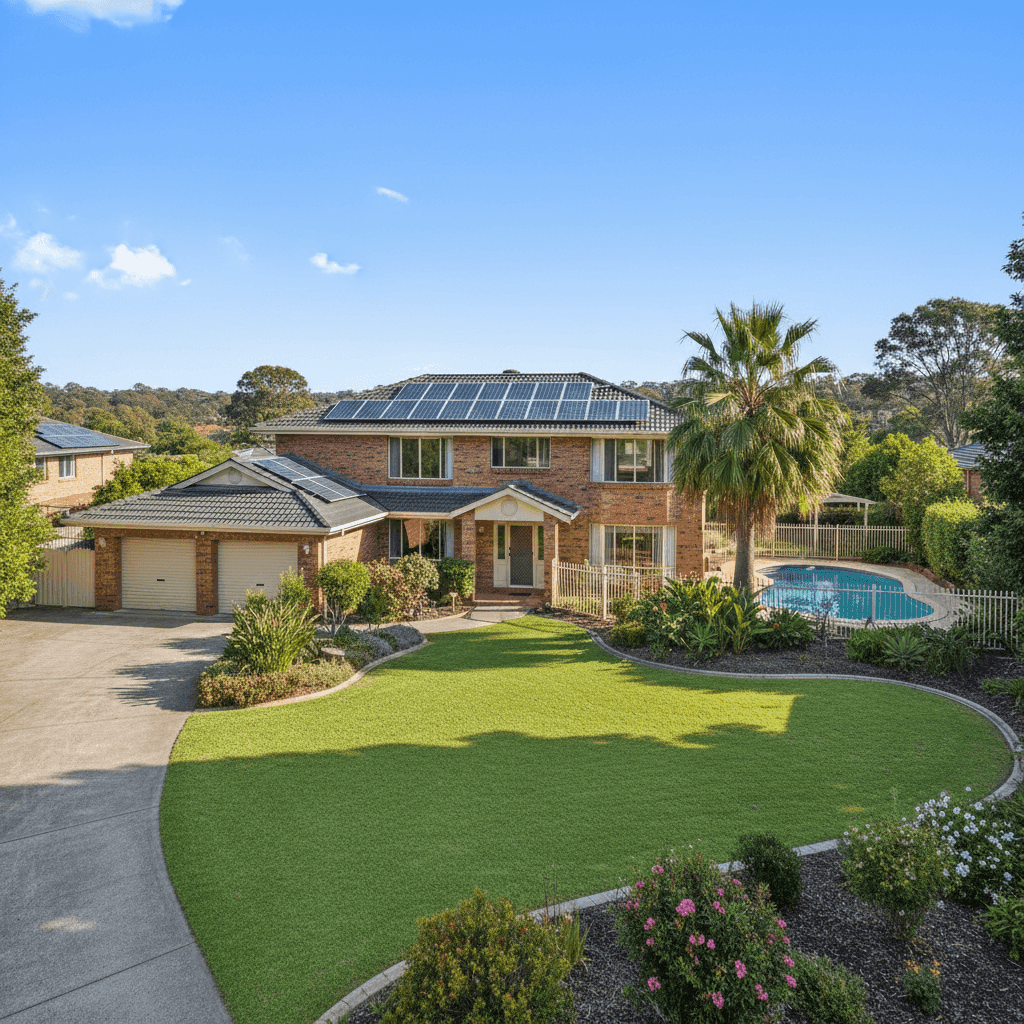
Erina, nestled in the heart of the Central Coast region of New South Wales, is a well-established suburb popular with families seeking space, lifestyle, and relative affordability compared to Sydney. But when it comes to insuring a substantial five-bedroom free standing home here, the numbers can be surprising. This article breaks down a real home and contents insurance quote for a property in Erina (postcode 2250), explores how it stacks up against local and national benchmarks, and offers practical advice for homeowners looking to get better value on their cover.
---
Is This Quote Fair?
The quote in question comes in at $11,007 per year (or $1,118/month) for combined home and contents insurance, covering a building sum insured of $1,151,000 and contents valued at $135,000. The building excess is $3,000 and the contents excess is $500.
Our price rating for this quote is Expensive — above average for the area.
To put that in perspective, the suburb average premium in Erina sits at just $1,495 per year, with a median of $1,385. Even at the 75th percentile — meaning only 25% of quotes are higher — the figure is $1,514 per year. This quote is therefore dramatically above what most Erina homeowners are paying.
However, it's important to read that comparison carefully. The suburb sample (18 quotes) likely includes a wide range of property sizes and sum insured values. A five-bedroom home with a $1.15 million building sum insured is a significantly larger and more valuable asset than the average insured property in the area. Higher replacement costs naturally attract higher premiums, so some of this gap is entirely expected.
That said, even when accounting for the property's size and value, there may still be room to shop around and find more competitive pricing.
---
How Erina Compares
Understanding where Erina sits in the broader insurance landscape helps put this quote in context. Here's a quick snapshot:
| Benchmark | Average Premium | Median Premium |
|---|---|---|
| Erina (NSW 2250) | $1,495/yr | $1,385/yr |
| New South Wales | $9,528/yr | $3,770/yr |
| National (Australia) | $5,347/yr | $2,764/yr |
| Hawkesbury LGA | $10,350/yr | — |
You can explore the full data on the Erina suburb stats page, compare it against NSW-wide insurance data, or see how it measures up on the national insurance stats page.
A few things stand out here. The NSW state average of $9,528 is heavily skewed by high-value properties and high-risk areas — the median of $3,770 is a more representative figure for the typical NSW homeowner. This quote, at $11,007, sits above both the NSW average and the Hawkesbury LGA average of $10,350, reinforcing the "expensive" rating.
Nationally, the picture is similar — the average of $5,347 and median of $2,764 reflect the enormous diversity of properties and risk profiles across Australia. Coastal and flood-prone areas, for instance, can push premiums significantly higher.
---
Property Features That Affect Your Premium
Several characteristics of this property have a meaningful influence on what insurers charge. Here's how each one plays into the final premium:
Size and Sum Insured
At 214 sqm with five bedrooms and three bathrooms, this is a large home. The building sum insured of $1,151,000 reflects the genuine cost of rebuilding a home of this size and quality — and insurers price accordingly. Underinsuring might lower your premium, but it's a risky strategy that could leave you significantly out of pocket after a major claim.
Construction: Brick Veneer Walls and Tiled Roof
Brick veneer is a widely used construction method in Australia and is generally viewed favourably by insurers. It offers solid fire resistance and durability. Combined with a tiled roof — another standard, well-regarded material — this property presents a relatively low structural risk profile. These features typically work in your favour when it comes to pricing.
Foundation: Stumps
A stump foundation (also known as a pier or post foundation) is common in older Australian homes, particularly those built in the 1960s–1980s. While it can allow for better ventilation and is suited to certain soil types, stumps can be a flag for insurers if they show signs of deterioration or movement. A home built in 1980 on stumps may attract closer scrutiny, particularly around subsidence or shifting risk.
Timber and Laminate Flooring
Timber and laminate floors are popular and add to the character of older homes, but they can be more susceptible to water damage than tiles or concrete. This may subtly influence contents and building premiums, particularly for water-related claims.
Swimming Pool
A pool adds value to a property but also introduces liability considerations. Some insurers factor pool ownership into their liability cover, and the cost of repairing or replacing pool infrastructure can be substantial.
Solar Panels
Solar panels are increasingly common on Australian homes and are generally covered under building insurance. However, they do add to the replacement value of the property, which contributes to a higher sum insured and, in turn, a higher premium.
Age of Property
Built in 1980, this home is over 40 years old. Older homes can carry higher risk for insurers due to ageing plumbing, wiring, and structural components — even if the home has been well maintained. Some insurers apply age-related loadings to properties of this vintage.
---
Tips for Homeowners in Erina
If you're a homeowner in Erina — or anywhere on the Central Coast — here are four practical steps to make sure you're getting the best value on your home insurance:
- Compare quotes regularly. Insurance premiums can shift significantly from year to year, and loyalty doesn't always pay. Use a comparison tool like CoverClub to benchmark your current policy against the market at renewal time.
- Review your sum insured carefully. Make sure your building sum insured reflects the actual cost of rebuilding — not the market value of your home. Use a building cost calculator and factor in features like your pool and solar panels. Overinsuring wastes money; underinsuring can be financially devastating.
- Ask about excess trade-offs. A higher building excess (this quote carries a $3,000 excess) can lower your annual premium. Conversely, if cash flow is a concern, a lower excess may be worth a slightly higher premium. Understand the trade-off and choose what suits your situation.
- Maintain your property proactively. Insurers reward lower-risk properties. Keeping your stumped foundation in good condition, maintaining your roof tiles, and ensuring your electrical system is up to date can all reduce the likelihood of a claim — and may help you negotiate better premiums over time.
---
Ready to Compare?
Whether you're renewing your policy or insuring a new purchase, it pays to shop around. CoverClub makes it easy to compare home and contents insurance quotes across Australia, with suburb-level data to help you understand what's fair for your area. Get a quote today and see how much you could save.