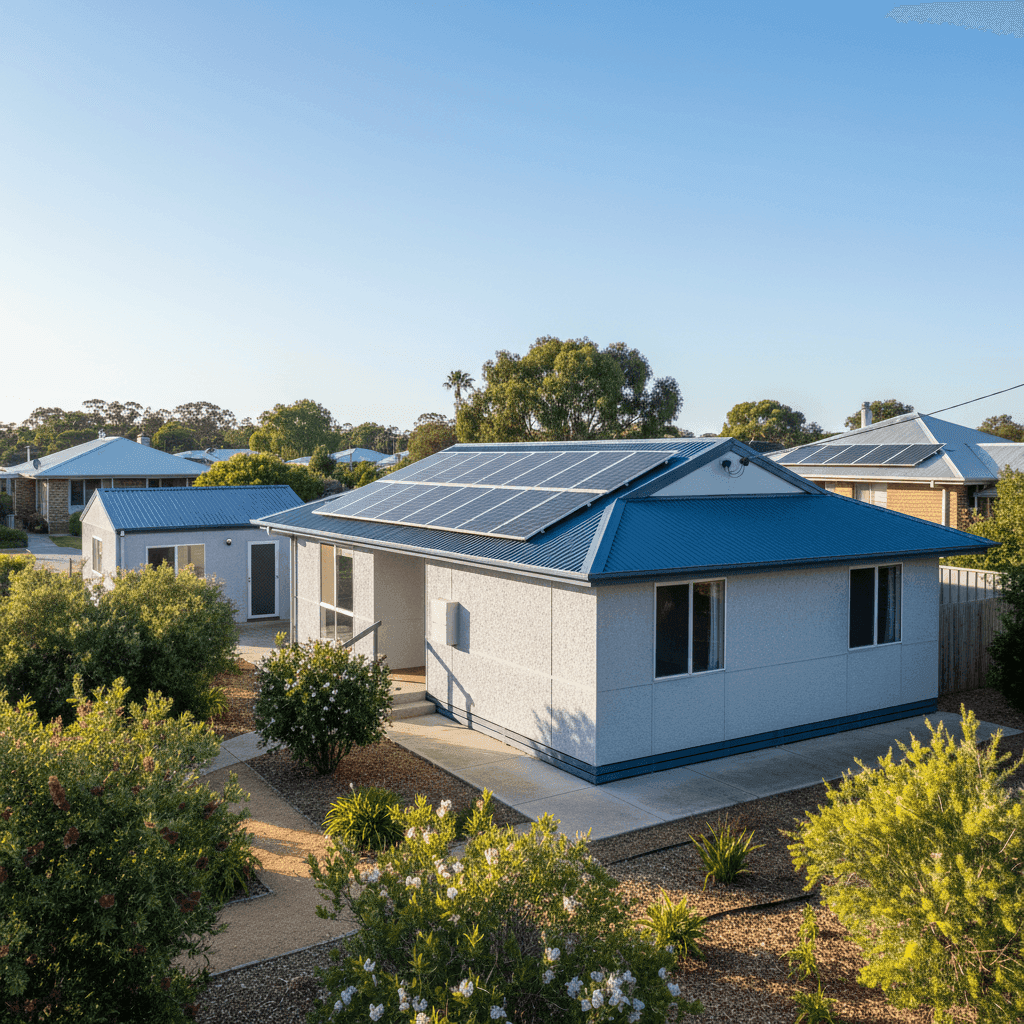
Erowal Bay is a quiet, leafy suburb on the New South Wales South Coast, sitting within the postcode 2540 and bordered by the calm waters of St Georges Basin. It's a popular spot for families and sea-changers alike — but like many coastal communities, insuring a home here comes with its own set of considerations. This article breaks down a real home and contents insurance quote for a free standing home in the area, examines whether the price stacks up, and offers practical tips for local homeowners looking to get better value on their cover.
---
Is This Quote Fair?
The quote in question sits at $5,703 per year (or $520 per month) for a combined home and contents policy. Our analysis rates this as Expensive — above average when measured against comparable properties in the suburb.
To put that into perspective: the suburb average for Erowal Bay sits at just $1,027 per year, with a median of $881. Even the 75th percentile — meaning the top quarter of quotes in the area — comes in at only $1,059 per year. This quote lands well above that ceiling.
That said, it's important to understand why this figure is elevated before drawing conclusions. The sum insured for the building is $804,000 — a substantial replacement value — and contents cover adds another $96,000 to the equation. These are meaningfully higher figures than what many standard suburban policies cover, and insurers price accordingly. The property also has several features that add complexity to the risk profile (more on those below).
Still, a premium of this size warrants scrutiny. Even accounting for the higher insured values, homeowners in this position should be actively comparing quotes rather than accepting the first offer.
---
How Erowal Bay Compares
Understanding where this quote sits relative to broader benchmarks helps paint a clearer picture.
| Benchmark | Average Premium | Median Premium |
|---|---|---|
| Erowal Bay (suburb) | $1,027/yr | $881/yr |
| NSW (state) | $9,528/yr | $3,770/yr |
| National | $5,347/yr | $2,764/yr |
A few things stand out here. First, the NSW state average of $9,528 is dragged upward significantly by high-value properties and high-risk areas across the state — the median of $3,770 is a more reliable indicator for most homeowners. Second, the national average of $5,347 is actually close to this quote, which suggests that on a national scale, the premium isn't wildly out of line — particularly given the building sum insured.
What's striking is how far the Erowal Bay suburb average sits below both state and national figures. This likely reflects the relatively modest property values and lower-risk profiles of many homes in the area. A quote of $5,703 for a single property in this suburb is therefore a significant outlier locally, even if it's more explainable when viewed through a national lens.
You can explore the full breakdown of premiums for this postcode at the Erowal Bay suburb stats page.
---
Property Features That Affect Your Premium
Several characteristics of this property have a direct bearing on the insurance premium. Here's what insurers are likely factoring in:
Fibro Asbestos External Walls
This is one of the most significant risk factors for older Australian homes. Built in 1979, this property features fibro asbestos cladding — a material that was widely used in the mid-20th century but is now known to present serious health risks when disturbed or damaged. Insurers treat asbestos-containing materials with caution because repairs, renovations, or storm damage can trigger expensive remediation requirements. This alone can meaningfully increase a premium compared to a brick or weatherboard home.
Age of Construction (1979)
Homes built in the 1970s are more likely to have ageing electrical systems, plumbing, and structural components. Insurers factor in the higher likelihood of wear-related claims, particularly for properties approaching or exceeding 45 years of age.
Steel/Colorbond Roof
On the positive side, a steel Colorbond roof is generally viewed favourably by insurers. It's durable, fire-resistant, and performs well in high-wind conditions — all of which can help moderate the premium compared to older tile or terracotta roofs.
Solar Panels
The property has solar panels installed, which adds to the replacement cost of the building. Solar systems can be expensive to repair or replace following storm, hail, or fire damage, and this is reflected in the sum insured and, consequently, the premium.
Granny Flat
The presence of a granny flat on the property increases the total insurable area and replacement value. Additional structures typically add to the building sum insured, which flows through to a higher premium.
Ducted Climate Control
Ducted air conditioning systems are a significant asset that adds to the rebuild cost. Like solar panels, these systems are costly to repair or replace, and insurers account for this in their pricing.
Slab Foundation & Tile Flooring
A concrete slab foundation is generally considered stable and low-risk. Tiled flooring, while durable, can be costly to replace if water damage or structural movement occurs — though this is a relatively minor factor in the overall pricing.
---
Tips for Homeowners in Erowal Bay
If you're a homeowner in Erowal Bay — or anywhere in the 2540 postcode — here are some practical steps to make sure you're not overpaying for your cover:
- Review your sum insured carefully. A building sum insured of $804,000 is substantial. Make sure this figure reflects the actual cost to rebuild your home (not its market value), including demolition, debris removal, and the granny flat. Overinsuring is a common and costly mistake — use a professional building cost calculator or get a quantity surveyor's assessment.
- Shop around — especially with asbestos walls. Not all insurers treat fibro asbestos the same way. Some specialist insurers are more experienced with older Australian homes and may offer more competitive pricing. Comparing multiple quotes through a platform like CoverClub is the most efficient way to find the best rate for your specific property profile.
- Ask about your excess options. This policy carries a $2,000 excess on both building and contents. Opting for a higher voluntary excess can reduce your annual premium, which may be worthwhile if you have the financial buffer to cover a larger out-of-pocket cost in the event of a claim.
- Keep records of your solar and climate control systems. Given the value these add to your property, maintain documentation of installation costs and model specifications. This ensures you're adequately covered and can streamline any future claims process.
---
Compare Your Quote Today
Whether you're renewing your existing policy or shopping around for the first time, it pays to see what else is available. At CoverClub, we make it easy to compare home and contents insurance quotes for properties across Australia — including homes with unique features like granny flats, solar panels, and older construction materials. Get a quote today and find out if you could be paying less for the same level of protection.