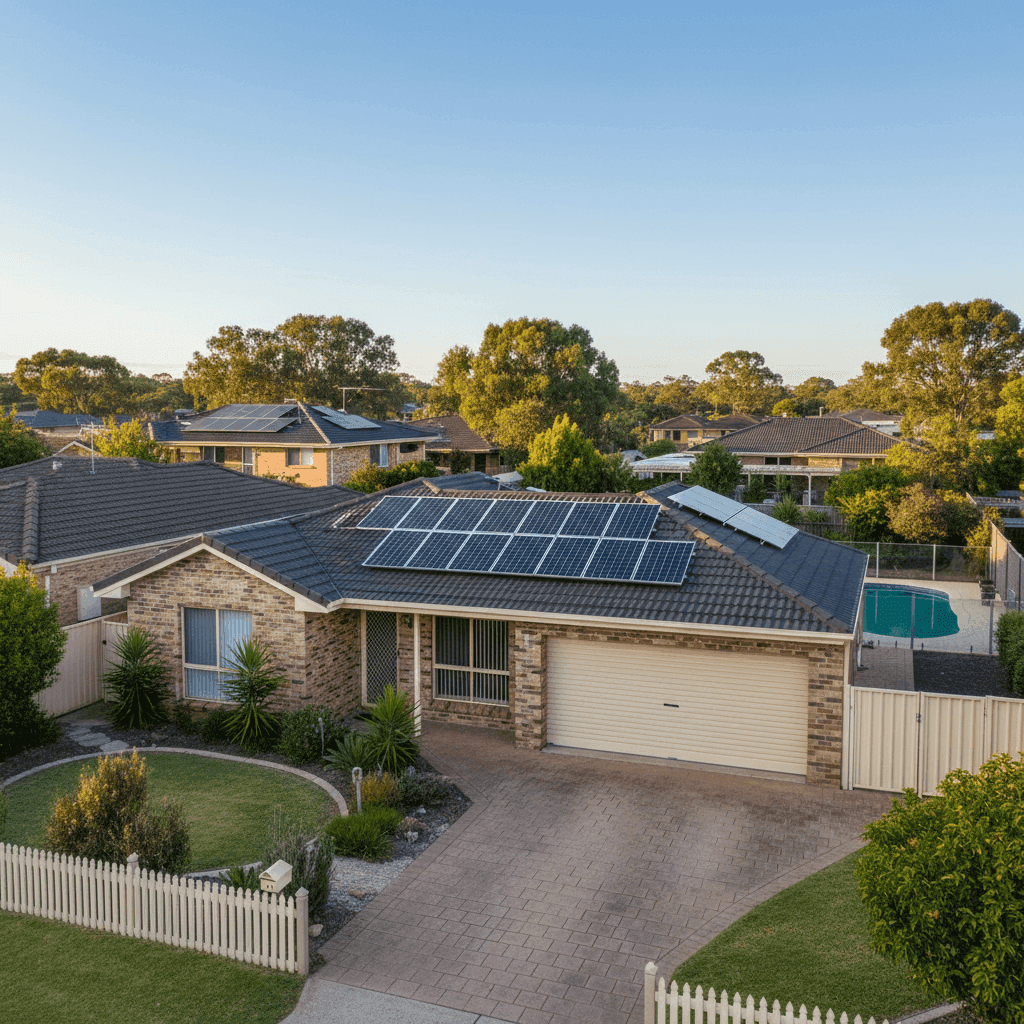
If you own a free standing home in Eschol Park, NSW 2558, you're probably curious about whether you're paying a fair price for home and contents insurance — or leaving money on the table. This article breaks down a real insurance quote for a three-bedroom, two-bathroom brick veneer home in the suburb, and compares it against local, state, and national benchmarks to help you make a more informed decision.
---
Is This Quote Fair?
The quote in question comes in at $1,371 per year (or roughly $136 per month) for combined home and contents cover, with a building sum insured of $350,000 and contents valued at $149,000. The building excess is $3,000, and the contents excess is $1,000.
Our price rating for this quote is CHEAP — below average — and it's easy to see why.
Compared to the suburb average for Eschol Park of $2,305 per year, this quote represents a saving of over $930 annually. That's not a marginal difference — it's a meaningful gap that puts real dollars back in a homeowner's pocket. Even against the suburb's 25th percentile (the cheapest quarter of quotes sampled), which sits at $2,127 per year, this quote still comes in well below the pack.
For a property of this type and size, a premium under $1,400 is genuinely competitive. If you're currently paying closer to the suburb average or above, it may well be worth shopping around.
---
How Eschol Park Compares
Understanding where Eschol Park sits relative to broader benchmarks gives useful context for any homeowner evaluating their options.
| Benchmark | Average Premium |
|---|---|
| Eschol Park (suburb) | $2,305/yr |
| Campbelltown LGA | $2,555/yr |
| New South Wales | $3,801/yr |
| National | $2,965/yr |
A few things stand out here. First, Eschol Park's average premium of $2,305 is notably below the NSW state average of $3,801 — a difference of nearly $1,500 per year. This suggests the suburb sits in a relatively lower-risk zone compared to many other parts of New South Wales, where coastal exposure, flood risk, and bushfire zones can push premiums significantly higher.
You can explore full NSW home insurance statistics here, or take a broader look at national home insurance data for further context.
Interestingly, Eschol Park also comes in below the national average of $2,965 per year, which speaks to the suburb's comparatively benign risk profile. The Campbelltown LGA average of $2,555 is slightly higher than the suburb figure, suggesting that pricing within the broader council area can vary depending on the specific locality.
The quote analysed here, at $1,371, sits 40% below the suburb average — a strong result by any measure.
---
Property Features That Affect Your Premium
Several characteristics of this property are worth examining, as they directly influence what insurers charge.
Brick veneer construction is generally viewed favourably by insurers. It offers solid fire resistance and structural durability compared to weatherboard or lightweight cladding, which can contribute to a lower premium. Combined with a tiled roof, this property presents a construction profile that tends to attract competitive pricing.
The home was built in 1983, which places it in a mature but not ancient category. Properties from this era were built to established standards and typically don't carry the premium loading that very old homes might, though some insurers do factor in age when assessing replacement costs and potential maintenance risks.
The slab foundation is a standard and widely accepted construction type in suburban NSW, generally presenting no unusual risk flags for insurers.
Timber and laminate flooring is noted in the contents/fittings profile. While flooring is typically a building rather than contents item, it contributes to the overall replacement cost calculation — which is reflected in the $350,000 building sum insured.
Two features worth highlighting are the swimming pool and solar panels. A pool adds to the replacement value of the property and can introduce liability considerations, both of which may nudge premiums upward. Solar panels similarly add to the insured value of the home and require specific coverage to protect against damage or theft. Despite these additions, the quote here remains well below average — a positive outcome for the homeowner.
The property does not fall within a cyclone risk area, which removes one of the more significant premium drivers seen in northern parts of Australia.
---
Tips for Homeowners in Eschol Park
Whether you're reviewing an existing policy or shopping for a new one, here are four practical steps worth considering:
- Review your sum insured regularly. Building costs have risen sharply in recent years across Australia. A sum insured of $350,000 for a 139 sqm home in Western Sydney is worth validating against current construction rates — underinsurance is one of the most common and costly mistakes homeowners make.
- Check your pool and solar panel coverage specifically. Not all standard home insurance policies automatically cover pool equipment or solar panel systems to the full replacement value. Read the Product Disclosure Statement (PDS) carefully and confirm these items are adequately covered.
- Consider your excess trade-off. This quote carries a $3,000 building excess, which is on the higher side. A higher excess typically lowers your premium, but it also means a larger out-of-pocket cost at claim time. Make sure the excess level suits your financial situation.
- Compare quotes at renewal. Even if you're happy with your current insurer, the home insurance market is competitive. Running a comparison at renewal takes only a few minutes and could uncover savings similar to — or even greater than — what's shown here.
---
Compare Home Insurance Quotes in Eschol Park
Whether this quote reflects your own situation or you're simply benchmarking what you currently pay, CoverClub makes it easy to compare home and contents insurance options side by side. See how quotes stack up for your specific property at coverclub.com.au and find out if you're getting a competitive deal — or paying more than you need to.
Check out the full Eschol Park insurance statistics page for more local data and suburb-level insights.