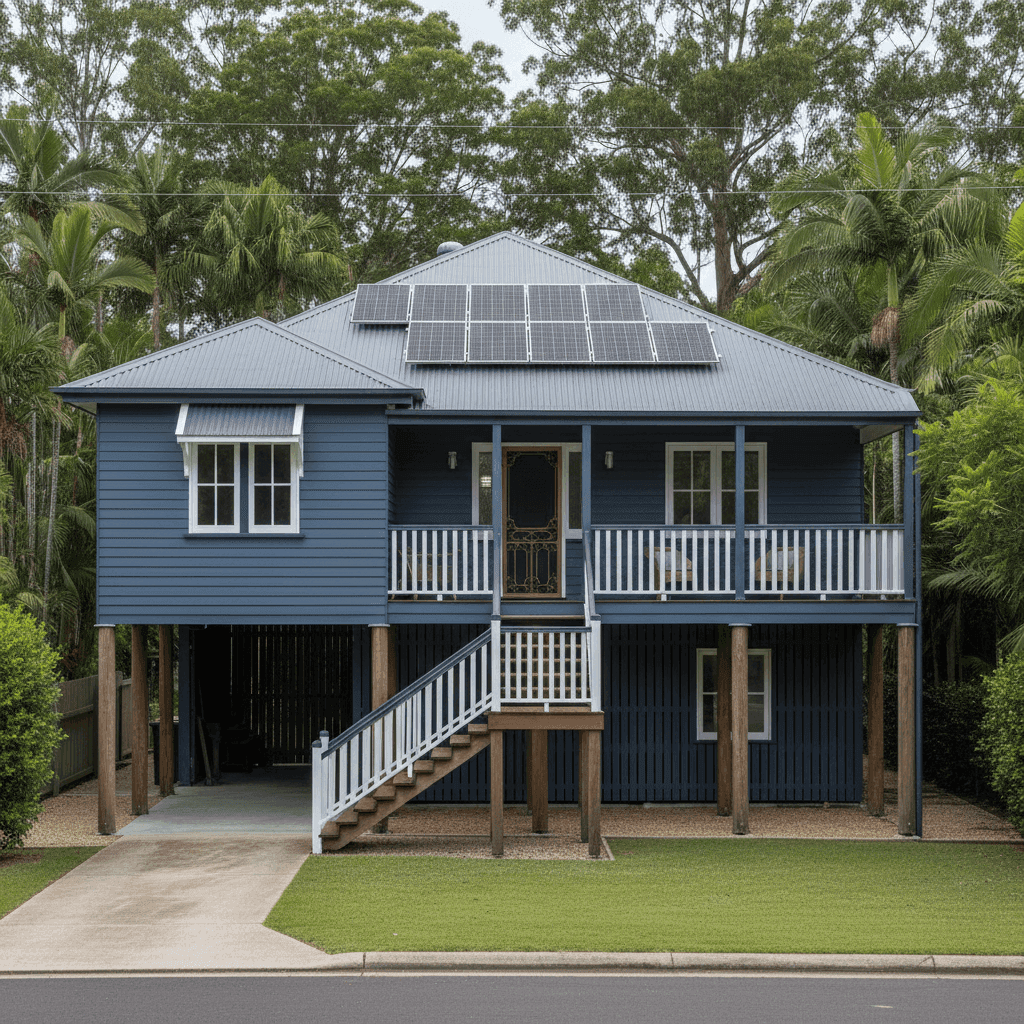
Nestled in the Tablelands region of Far North Queensland, Eubenangee (postcode 4860) is a small but distinctive locality where home insurance costs are shaped by a unique combination of climate, construction, and geography. This analysis examines a recent home and contents insurance quote for a three-bedroom, two-bathroom free-standing home in the area — breaking down whether the price stacks up, and what local homeowners can do to manage their premiums.
---
Is This Quote Fair?
The quote in question comes in at $4,144 per year (or $414 per month) for combined home and contents cover, with a building sum insured of $635,000 and contents valued at $25,000. The building excess is set at $3,000, and the contents excess at $600.
Our price rating for this quote is Expensive — Above Average.
To put that in context: the suburb average for Eubenangee sits at $3,371 per year, with a median of $2,730. This quote is roughly 23% above the suburb average and over 50% above the suburb median. That's a meaningful gap, and it's worth understanding what's driving it.
It's important to note that the suburb sample size here is small (5 quotes), so the local averages should be treated as indicative rather than definitive. That said, the premium is still notably elevated relative to those benchmarks, and there are clear property-specific reasons why.
---
How Eubenangee Compares
Looking at the broader picture, this quote sits in an interesting position across different comparison points:
| Benchmark | Premium |
|---|---|
| This Quote | $4,144/yr |
| Suburb Average (Eubenangee) | $3,371/yr |
| Suburb Median | $2,730/yr |
| QLD State Average | $9,129/yr |
| QLD State Median | $3,903/yr |
| National Average | $5,347/yr |
| National Median | $2,764/yr |
| LGA Average (Tablelands) | $18,083/yr |
The standout figure here is the Tablelands LGA average of $18,083 — which is extraordinarily high and reflects the severe cyclone and weather risk that insurers price into properties across this part of Queensland. Against that backdrop, this quote at $4,144 actually looks quite competitive.
Similarly, while the quote exceeds the suburb average, it sits below both the QLD state average and the national average. The QLD state average is heavily skewed by high-risk postcodes in cyclone-prone coastal and tropical regions, which pushes it well above $9,000. The fact that this property's premium is less than half the state average suggests that some risk mitigations — likely the elevated foundation — are doing meaningful work here.
Against the national median of $2,764, the quote is higher, but the national median includes many low-risk metropolitan properties in southern states where cyclones, flooding, and tropical storms are not a factor.
---
Property Features That Affect Your Premium
Several characteristics of this property have a direct bearing on the insurance premium. Here's how each one plays into the final price:
Cyclone Risk Area
This is the single biggest factor. Eubenangee sits within a designated cyclone risk zone in Far North Queensland. Insurers apply significant loadings to properties in these areas to account for the elevated likelihood of wind and storm damage. This alone can add hundreds — or even thousands — of dollars to an annual premium compared to a similar property in Brisbane or Sydney.
Elevated Foundation (Poles)
The home is built on poles and elevated by at least one metre — a classic Queenslander design feature. This is actually a positive for insurability in flood-prone areas, as it reduces the risk of inundation damage to the building structure. Many insurers recognise this and price accordingly, which may be one reason this premium isn't higher still.
Weatherboard Timber Walls
Timber weatherboard construction is generally considered a higher-risk building material than brick veneer or concrete, particularly in cyclone and bushfire zones. Timber is more susceptible to wind uplift and fire spread, and this is factored into premiums for properties in Far North Queensland.
Steel/Colorbond Roof
Colorbond roofing is widely regarded as one of the more resilient roofing options in cyclone-prone areas. It's less likely to shatter or fragment compared to terracotta or concrete tiles, and many insurers view it favourably. This may help offset some of the premium loading from the timber walls.
Age of Construction (1985)
At roughly 40 years old, the property is not new — but it's also not ancient. Properties built in this era may not fully comply with modern cyclone-resistant building codes introduced in the 1980s and 1990s, which can influence how insurers assess structural risk.
Solar Panels
The presence of solar panels adds a small but real cost to the building sum insured. Panels need to be covered for storm, hail, and wind damage — all of which are genuine risks in this part of Queensland.
Building Size and Sum Insured
At 153 sqm with a building sum insured of $635,000, the per-square-metre rebuild cost works out to approximately $4,150/sqm. This is on the higher end but not unreasonable for a regional Queensland property with elevated construction (poles add cost to rebuilds) and current material and labour costs in Far North Queensland.
---
Tips for Homeowners in Eubenangee
If you're looking to manage your home insurance costs in this area, here are four practical steps worth considering:
- Review your sum insured carefully. Over-insuring is a common issue — make sure your building sum insured reflects the actual cost to rebuild (not the market value of the land and property). Use a building cost calculator or speak to a local builder for a current estimate.
- Increase your excess strategically. This quote carries a $3,000 building excess. If you have savings to cover a higher excess in the event of a claim, opting for a higher excess at quote time can meaningfully reduce your annual premium.
- Document cyclone-resilience upgrades. If you've made improvements to your home — such as upgrading roof fixings, installing cyclone shutters, or reinforcing wall connections — make sure your insurer is aware. Some will offer discounts or more favourable pricing for demonstrably resilient properties.
- Compare quotes annually. The insurance market in Far North Queensland is competitive and premiums can vary significantly between providers for the same property. Don't auto-renew without checking — use a comparison tool to see what else is available.
---
Ready to Find a Better Deal?
Whether this quote is right for you depends on your full coverage needs and risk appetite — but you shouldn't settle without comparing. At CoverClub, we make it easy to see how your premium stacks up and explore alternatives side by side. Get a home insurance quote now and see if you can do better for your Eubenangee property.