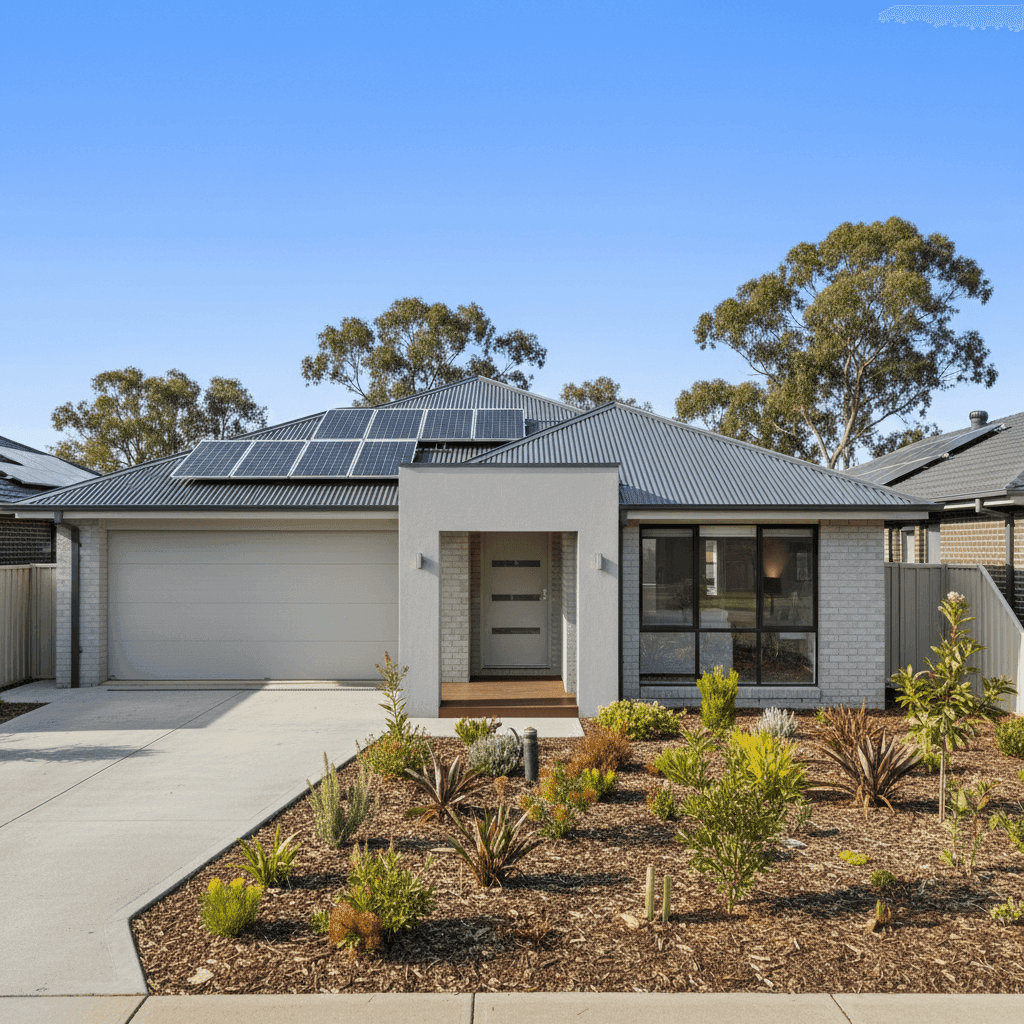
Euroka is a quiet residential locality sitting within the Port Macquarie-Hastings local government area on the mid-north coast of New South Wales. If you own a free standing home here, understanding what you should expect to pay for home and contents insurance — and whether your current quote stacks up — can save you hundreds of dollars a year. This article breaks down a real insurance quote for a four-bedroom, two-bathroom brick veneer home in Euroka, and puts it in context against local, state, and national benchmarks.
---
Is This Quote Fair?
The quote in question comes in at $4,339 per year (or $382 per month) for combined home and contents cover, with a building sum insured of $928,000 and contents valued at $50,000. The building excess is $2,000 and the contents excess sits at $1,000.
Our price rating for this quote is CHEAP — meaning it sits below the average, which is genuinely good news for the homeowner. In a market where premiums have been climbing steadily across Australia due to increased natural disaster frequency, reinsurance costs, and inflationary pressure on building materials, landing a below-average rate on a well-appointed home is worth noting.
At $4,339 annually, this premium is notably lower than what many comparable properties are attracting in the region. That said, "cheap" doesn't mean you should accept the first quote you receive — it simply means this particular quote is competitively priced relative to the broader market. It's always worth checking what's included in the policy, particularly around flood cover, storm damage, and temporary accommodation benefits.
---
How Euroka Compares
To appreciate just how competitive this quote is, it helps to look at the numbers side by side.
| Benchmark | Annual Premium |
|---|---|
| This Quote | $4,339 |
| NSW State Average | $9,528 |
| NSW State Median | $3,770 |
| National Average | $5,347 |
| National Median | $2,764 |
| Port Macquarie-Hastings LGA Average | $7,001 |
A few things stand out here. The Port Macquarie-Hastings LGA average of $7,001 is particularly striking — this quote comes in at nearly $2,700 less than the typical premium paid by homeowners in the same council area. That's a meaningful saving. Against the NSW state average of $9,528, the gap is even wider, reflecting just how elevated premiums have become across the state as a whole.
The quote does sit above the NSW median ($3,770) and the national median ($2,764), which is expected given the higher-than-average sum insured of $928,000. A larger insured value naturally attracts a higher base premium, so comparing on a like-for-like basis is important. For a home of this size and rebuild value, the pricing looks genuinely competitive.
You can explore Euroka-specific insurance statistics, NSW-wide data, and national benchmarks on CoverClub to dig deeper into how your area compares.
---
Property Features That Affect Your Premium
Every insurer assesses risk differently, but the physical characteristics of a property play a significant role in determining the premium. Here's how the features of this particular home are likely influencing the quote.
Brick Veneer Construction Brick veneer is one of the most common wall materials in Australian residential construction, and insurers generally view it favourably. It offers solid fire resistance and durability, which can contribute to a more competitive premium compared to timber-framed or clad exteriors.
Steel/Colorbond Roof A Colorbond steel roof is another tick in the right column. These roofs are highly resistant to fire, wind, and corrosion — all key risk factors for insurers. They're also low-maintenance and long-lasting, which reduces the likelihood of weather-related claims.
Slab Foundation Concrete slab foundations are standard for newer builds and are generally considered low-risk by underwriters. They're less susceptible to subsidence and pest damage compared to older raised timber stumps.
Built in 2016 A relatively modern construction date works in the homeowner's favour. Newer homes are built to more stringent Australian Standards, including updated bushfire and wind resistance requirements, which can translate to lower premiums.
Solar Panels The presence of solar panels does add a small layer of complexity for insurers — panels need to be covered for damage from hail, storm, or fire, and the inverter and associated equipment also carry replacement value. Some policies cover solar panels automatically under the building sum insured; others require them to be specifically noted. It's worth confirming this detail with your insurer.
Ducted Climate Control Ducted air conditioning systems are a significant fixed asset and contribute to the overall rebuild cost of the home. They're typically covered under building insurance, but it's worth verifying that the sum insured adequately accounts for the replacement cost of the system.
214 sqm Floor Area At 214 square metres, this is a comfortably sized family home. The building sum insured of $928,000 works out to roughly $4,336 per square metre — broadly in line with current construction costs in regional NSW, though it's always wise to review this figure periodically as building costs continue to rise.
No Pool, No Cyclone Risk Zone The absence of a swimming pool removes a common liability risk factor, and Euroka's location outside a designated cyclone risk zone means the property avoids the significant premium loadings that apply in northern Queensland and parts of Western Australia.
---
Tips for Homeowners in Euroka
1. Review Your Sum Insured Annually Building costs in regional NSW have risen sharply over the past few years. If your sum insured hasn't been updated recently, you may be underinsured — meaning a total loss claim could leave you significantly out of pocket. Use a building cost calculator or speak with a quantity surveyor to ensure your coverage keeps pace with current rebuild costs.
2. Confirm Solar Panel Coverage With solar panels on the roof, double-check whether your policy explicitly covers them — including the panels themselves, the inverter, and the mounting hardware. Some standard building policies include solar as part of the building definition, while others treat it as an optional extra.
3. Understand Your Flood and Storm Cover The mid-north coast of NSW can be affected by significant rainfall events and riverine flooding. Review your policy's flood definitions carefully — there's an important distinction between flood (rising water from a watercourse) and storm surge or rainwater runoff. Make sure your policy covers the risks most relevant to your specific location.
4. Compare Before You Renew Even if your current premium is competitively priced, loyalty doesn't always pay in the insurance industry. Insurers frequently offer better rates to new customers than to existing ones. Set a reminder to compare quotes at CoverClub before your renewal date each year — it only takes a few minutes and could save you a substantial amount.
---
Ready to Compare Home Insurance in Euroka?
Whether you're reviewing an existing policy or shopping for cover on a new property, CoverClub makes it easy to see what the market looks like for homes in your area. Get a home insurance quote today and find out if you're getting the best deal available — or whether there's a better option waiting for you.