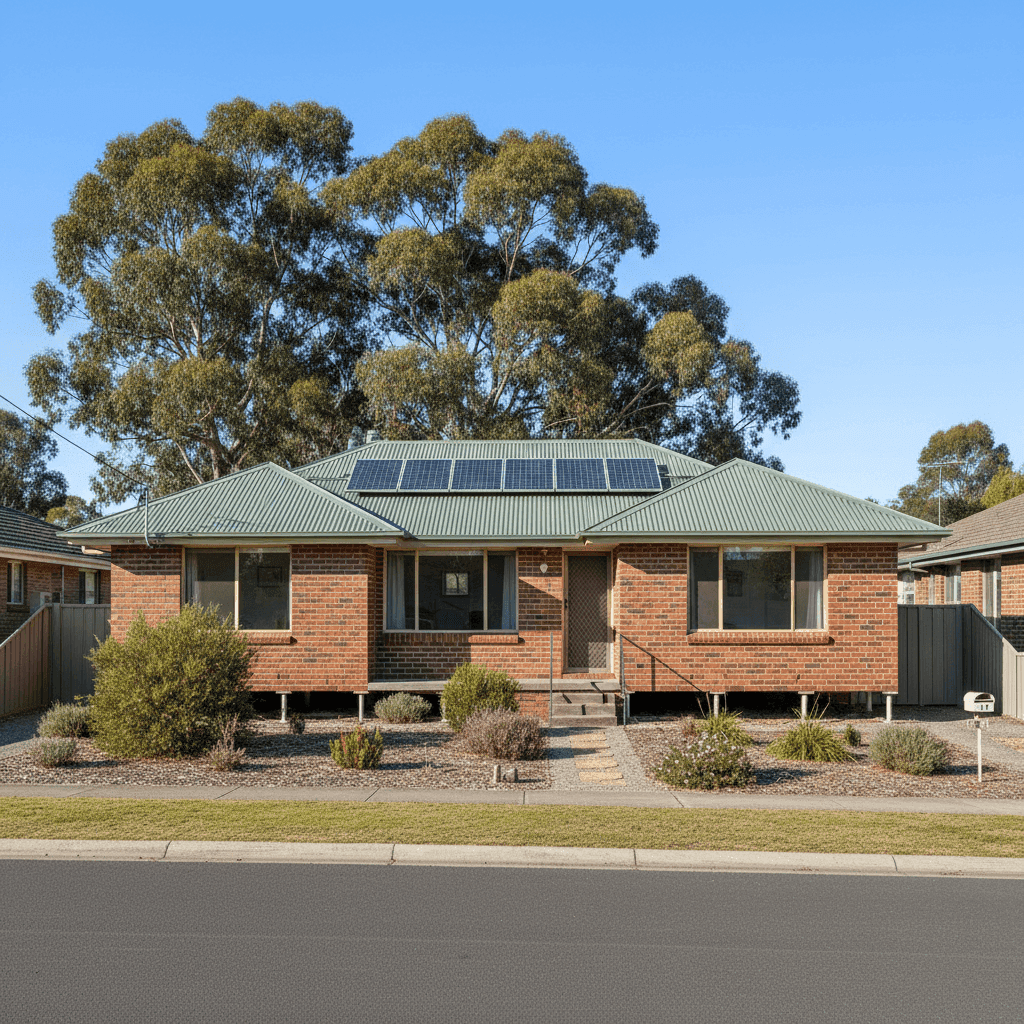
If you own a free standing home in Exeter, Tasmania, you might be wondering whether your home insurance premium is competitive — or whether you're quietly overpaying year after year. This article breaks down a real home and contents insurance quote for a 3-bedroom brick veneer property in Exeter (postcode 7275), comparing it against Tasmanian and national benchmarks so you can make a genuinely informed decision.
---
Is This Quote Fair?
The short answer: yes, and then some. This quote comes in at $1,432 per year (or $137/month) for combined home and contents cover, with a building sum insured of $200,000 and contents valued at $50,000. Both the building and contents excess sit at a reasonable $500.
Our price rating for this quote is CHEAP — below average — which means it's sitting well underneath what most Tasmanians and Australians are currently paying for equivalent cover. That's a meaningful result, not a marginal one.
To put it in perspective: the Meander Valley LGA average sits at $2,268/year, meaning this quote is roughly 37% cheaper than what neighbouring homeowners in the same local government area are typically paying. That's a significant saving of around $836 annually.
---
How Exeter Compares
Exeter is a small, semi-rural township in the Meander Valley region of northern Tasmania — and its insurance pricing reflects a relatively low-risk profile compared to many parts of Australia.
Here's how this quote stacks up:
| Benchmark | Annual Premium |
|---|---|
| This Quote | $1,432 |
| Meander Valley LGA Average | $2,268 |
| TAS State Average | $2,458 |
| TAS State Median | $2,272 |
| National Average | $2,965 |
| National Median | $2,716 |
Compared to the Tasmanian state average of $2,458, this quote is 42% below average. Against the national average of $2,965, the saving grows to nearly 52% — almost half the price of what a typical Australian homeowner pays.
It's worth noting that no suburb-level data was available for Exeter specifically, so the LGA figure for Meander Valley is the closest local comparison point. Still, the picture is clear: this is a competitively priced policy by any measure.
---
Property Features That Affect Your Premium
Insurance premiums aren't pulled from thin air — they're calculated based on a detailed assessment of your property's characteristics. Here's how the features of this particular home influence its pricing:
Brick Veneer Walls
Brick veneer construction is generally viewed favourably by insurers. While not as robust as full double brick, it offers good fire resistance and structural durability compared to weatherboard or fibre cement alternatives. This likely contributes to a lower base premium.
Steel / Colorbond Roof
Colorbond roofing is one of the most insurer-friendly roof types in Australia. It's resistant to fire, rot, and corrosion, and tends to perform well in wind events. Compared to older tile or asbestos roofing (common on homes of this era), a steel roof is a genuine premium reducer.
Stump Foundation
The home sits on stumps, which is a common foundation type for older Tasmanian properties. Stumped homes can be more susceptible to movement and moisture-related issues over time, but they also allow easier access for maintenance and repairs. Insurers generally treat stumped homes as standard risk in low-flood areas.
Timber / Laminate Flooring
Timber and laminate floors can be more costly to repair or replace than concrete or tile, which may slightly influence contents and building valuations. Ensuring your sum insured accurately reflects replacement costs — including flooring — is important.
1959 Construction
Older homes built in the 1950s can carry higher risk profiles due to ageing plumbing, wiring, and structural components. However, a well-maintained 1959 home in Tasmania with updated roofing (Colorbond) and solid brick veneer walls can still attract competitive premiums, as appears to be the case here.
Solar Panels
This property has solar panels installed. Most home insurance policies cover solar panels as part of the building sum insured, but it's worth confirming with your insurer that they're explicitly included — particularly for storm damage or panel failure scenarios.
No Pool, No Cyclone Risk
The absence of a swimming pool removes a common liability exposure. Tasmania is also well outside any cyclone risk zone, which is a significant factor in keeping premiums lower than comparable properties in Queensland or northern Western Australia.
---
Tips for Homeowners in Exeter
Whether you're reviewing an existing policy or shopping for new cover, here are four practical steps worth taking:
1. Review Your Building Sum Insured Annually
Construction costs have risen sharply across Australia in recent years. A $200,000 sum insured may have been adequate when the policy was first taken out, but it's worth checking whether it still reflects the true cost of rebuilding your home from scratch — including labour, materials, and debris removal. Underinsurance is one of the most common (and costly) mistakes homeowners make.
2. Confirm Solar Panel Coverage
With solar panels on the roof, make sure your policy explicitly covers them for damage from storms, hail, or fire. Some policies include them automatically under the building definition; others require a specific endorsement. A quick call to your insurer can save a nasty surprise at claim time.
3. Maintain Your Stumped Foundation
Insurers expect homeowners to take reasonable steps to maintain their property. For stumped homes, this means periodically checking for signs of movement, rot, or pest damage in the subfloor. Neglect-related damage is typically excluded from home insurance claims, so proactive maintenance protects both your home and your cover.
4. Compare Before You Renew
Even if your current premium is competitive, it pays to compare at renewal time. Insurers regularly adjust their pricing models, and a policy that was the best value last year may not be this year. Use CoverClub to run a quick comparison before automatically rolling over — it only takes a few minutes and could save you hundreds.
---
Ready to Compare Your Own Quote?
Whether you're a first-time buyer or a long-term Exeter homeowner, getting a competitive rate starts with knowing what's out there. At CoverClub, we make it easy to compare home and contents insurance quotes side by side, so you can see exactly where your premium sits relative to the market.
Get a home insurance quote for your Exeter property today — and find out if you're paying a fair price, or leaving money on the table.