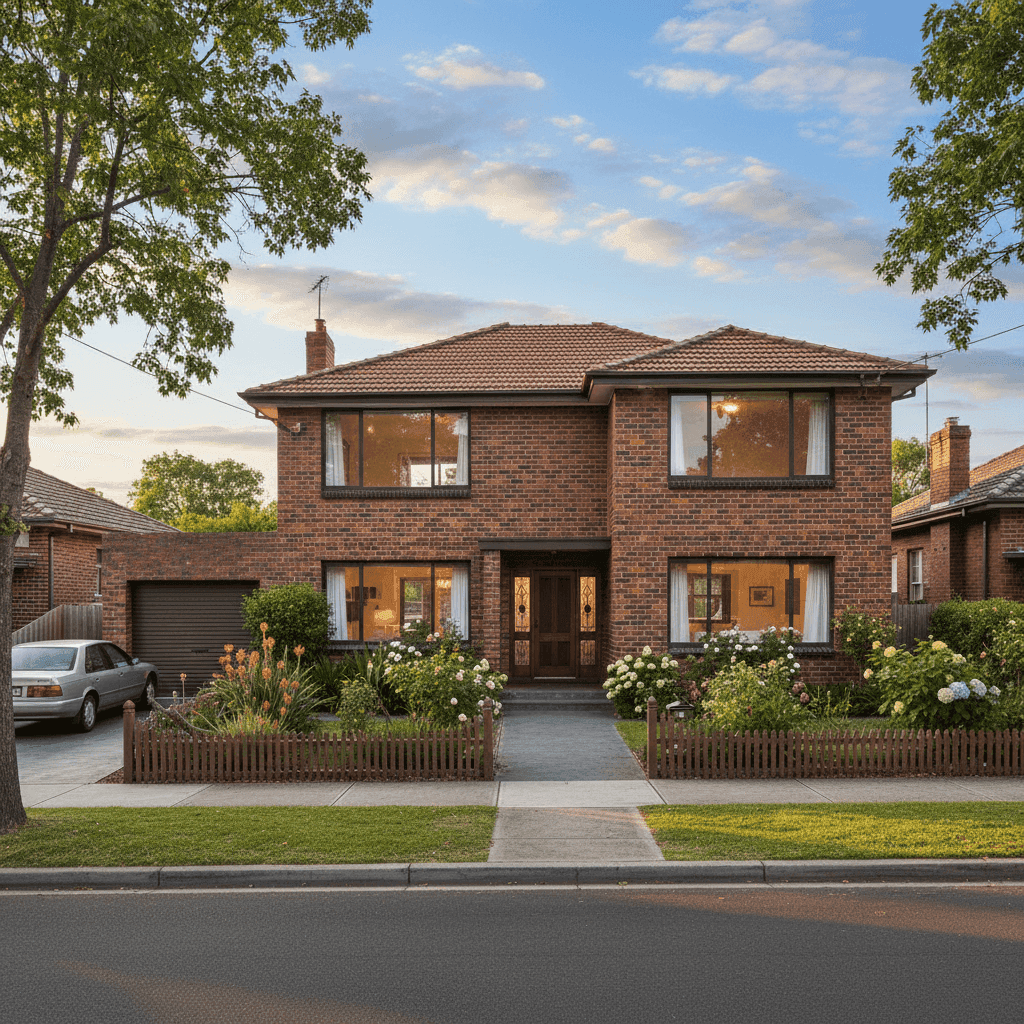
Fairfield is one of Melbourne's most sought-after inner-north suburbs — a leafy, character-filled pocket of Victoria known for its federation-era streetscapes, strong community feel, and proximity to the Yarra River. If you own a free standing home here, you're sitting on a valuable asset that deserves the right level of protection. This article breaks down a real home and contents insurance quote for a 4-bedroom, 2-bathroom brick veneer home in Fairfield (postcode 3078), built in 1985, and examines whether the annual premium of $1,182 represents genuine value — or if there's room to do better.
---
Is This Quote Fair?
The short answer: yes, and then some. This quote has been rated Cheap (Below Average) — meaning it sits well below what most comparable homeowners in Fairfield are paying.
At $1,182 per year (or about $122 per month), this premium covers:
- Building sum insured: $760,000
- Contents value: $160,000
- Building excess: $3,000
- Contents excess: $1,000
To put that into perspective, the suburb average premium in Fairfield is $2,256 per year, and the median sits at $2,220. That means this quote comes in at roughly 47% below the suburb average — a significant saving of over $1,000 annually. Even against the suburb's 25th percentile (the cheapest quarter of quotes sampled), which sits at $1,791 per year, this premium still undercuts the field by more than $600.
It's worth noting that the higher excess on the building component ($3,000) does contribute to the lower premium — choosing to absorb more out-of-pocket cost in the event of a claim is one of the most effective levers for reducing what you pay upfront. Whether that trade-off suits your financial situation is a personal decision, but for homeowners with a solid emergency fund, it's often a smart strategy.
---
How Fairfield Compares
Zooming out beyond the suburb tells an equally interesting story. According to data from CoverClub's Fairfield suburb stats, the local market sits in a relatively affordable band compared to broader benchmarks.
| Benchmark | Annual Premium |
|---|---|
| This quote | $1,182 |
| Fairfield suburb average | $2,256 |
| Fairfield suburb median | $2,220 |
| LGA (Yarra) average | $1,782 |
| VIC state average | $3,000 |
| VIC state median | $2,718 |
| National average | $5,347 |
| National median | $2,764 |
Across Victoria as a whole, the average home insurance premium runs to $3,000 per year — more than double what this Fairfield homeowner is paying. And when you look at national figures, the contrast is even starker: the Australian average sits at $5,347, heavily influenced by high-risk regions in Queensland and Western Australia that face cyclone, flood, and bushfire exposure.
Fairfield's relatively contained risk profile — no cyclone zone, lower bushfire risk compared to outer suburbs, and established urban infrastructure — helps keep premiums competitive. The Yarra LGA average of $1,782 also confirms that this part of Melbourne tends to attract more moderate insurance pricing than many other parts of the state.
---
Property Features That Affect Your Premium
Several characteristics of this particular property play a meaningful role in how insurers price the risk.
Brick Veneer Construction Brick veneer walls are viewed favourably by insurers. They offer solid fire resistance and structural durability compared to timber-framed weatherboard homes, which are common in older Melbourne suburbs. This construction type generally attracts lower premiums.
Tiled Roof A tiled roof on a home built in 1985 is a double-edged consideration. Tiles are durable and fire-resistant, which insurers like. However, a roof approaching 40 years old may require closer attention — cracked or displaced tiles can become a liability in storm events. Keeping the roof well-maintained is important both for safety and for maintaining your insurer's goodwill at claim time.
Stump Foundation Homes on stumps are common in Melbourne's inner suburbs and were the standard construction method for much of the 20th century. While stumps can be prone to movement over time — particularly in areas with reactive clay soils — they also allow for easier access to underfloor plumbing and wiring. Insurers generally treat stump foundations as standard risk for this region.
Timber and Laminate Flooring The flooring type matters more for contents and internal damage claims than for structural risk. Timber and laminate floors can be costly to repair or replace after water ingress events, so it's worth confirming your policy covers accidental water damage adequately.
Ducted Climate Control The presence of ducted heating and cooling adds to the replacement cost of the home — and at $760,000 sum insured, this appears to be factored in. Ducted systems can be expensive to replace, so ensuring your building sum insured accurately reflects full rebuild costs (not just the market value) is critical.
No Pool, No Solar The absence of a pool removes a common liability risk, while the lack of solar panels simplifies the roof risk profile. Both factors contribute modestly to a cleaner, lower-risk assessment.
---
Tips for Homeowners in Fairfield
1. Review your building sum insured regularly Construction costs have risen sharply across Australia in recent years. A sum insured of $760,000 for a 214 sqm home in Fairfield should be reviewed at least annually to ensure it reflects current rebuild costs — not just what you paid for the property or what it's worth on the market. Underinsurance is one of the most common and costly mistakes homeowners make.
2. Consider the excess trade-off carefully This policy carries a $3,000 building excess. While that's helped keep the premium low, make sure you're comfortable covering that amount out of pocket if you need to make a claim. If your savings buffer is limited, it may be worth paying a slightly higher premium for a lower excess.
3. Don't overlook contents coverage $160,000 in contents cover sounds substantial, but it can disappear quickly when you account for furniture, appliances, clothing, electronics, and valuables. Do a room-by-room inventory periodically to make sure your contents sum is realistic — especially if you've made significant purchases since you last updated your policy.
4. Compare quotes at renewal time Even if you're happy with your current insurer, the insurance market shifts constantly. Loyalty doesn't always pay — in fact, many insurers offer better rates to new customers. Running a comparison at renewal takes minutes and could save you hundreds of dollars a year.
---
Find Out What You Could Be Paying
Whether you're a first-time buyer or a long-time Fairfield resident, it pays to know where your premium stands. CoverClub makes it easy to compare home and contents insurance quotes side by side, so you can see exactly how your current cover stacks up against the market.
Get a quote today at CoverClub and find out if you could be paying less — without sacrificing the cover you need.